In the rapidly evolving landscape of industrial automation, proximity sensors stand as critical components for enabling non-contact detection, enhancing efficiency, and ensuring safety. These devices, which detect the presence or absence of objects without physical contact, are integral to applications ranging from assembly lines and packaging machinery to automotive manufacturing and robotics. The market for proximity sensors is dominated by several key manufacturers, each bringing distinct technologies, innovations, and specialties to the table. This article explores some of the foremost proximity sensor manufacturers, highlighting their contributions and product offerings.
One of the most prominent names in the industry is Sick AG, a German-based company renowned for its high-precision sensors and automation solutions. Sick offers a comprehensive portfolio of inductive, capacitive, and magnetic proximity sensors designed for harsh industrial environments. Their sensors are known for robust construction, reliability, and advanced features like IO-Link connectivity, which facilitates smart factory integration. Sick's focus on innovation, such as their multi-technology sensors that combine detection methods, makes them a preferred choice for complex automation tasks.
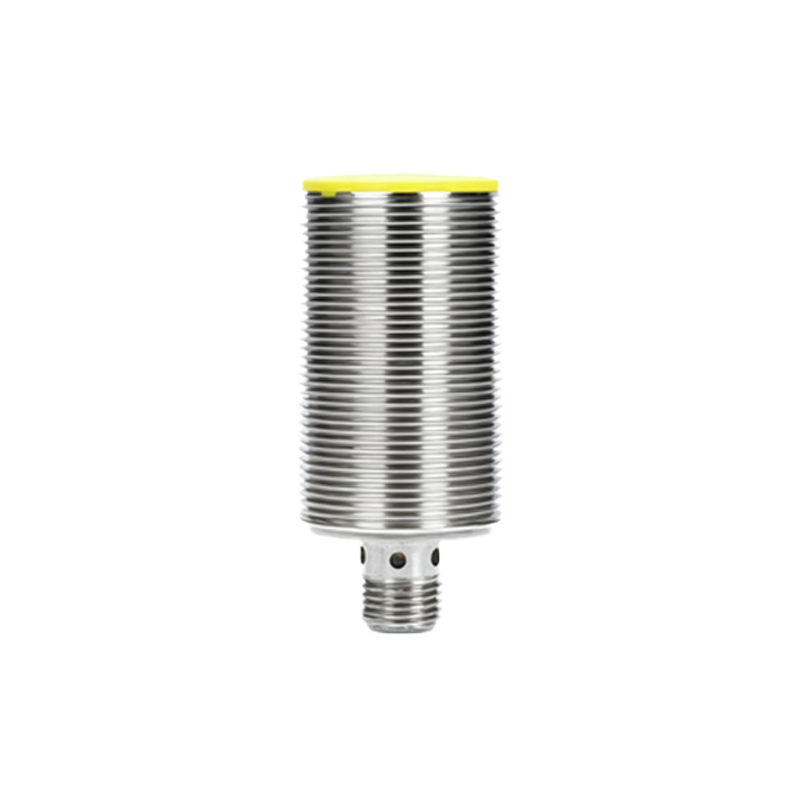
Another global leader is Omron Corporation, a Japanese electronics giant with a strong presence in factory automation. Omron's proximity sensor range includes inductive, capacitive, and ultrasonic models, celebrated for their durability and accuracy. The company emphasizes miniaturization and energy efficiency, with sensors like the E2E series offering compact designs suitable for space-constrained applications. Omron also integrates IoT capabilities into their sensors, allowing for predictive maintenance and data analytics, aligning with Industry 4.0 trends.
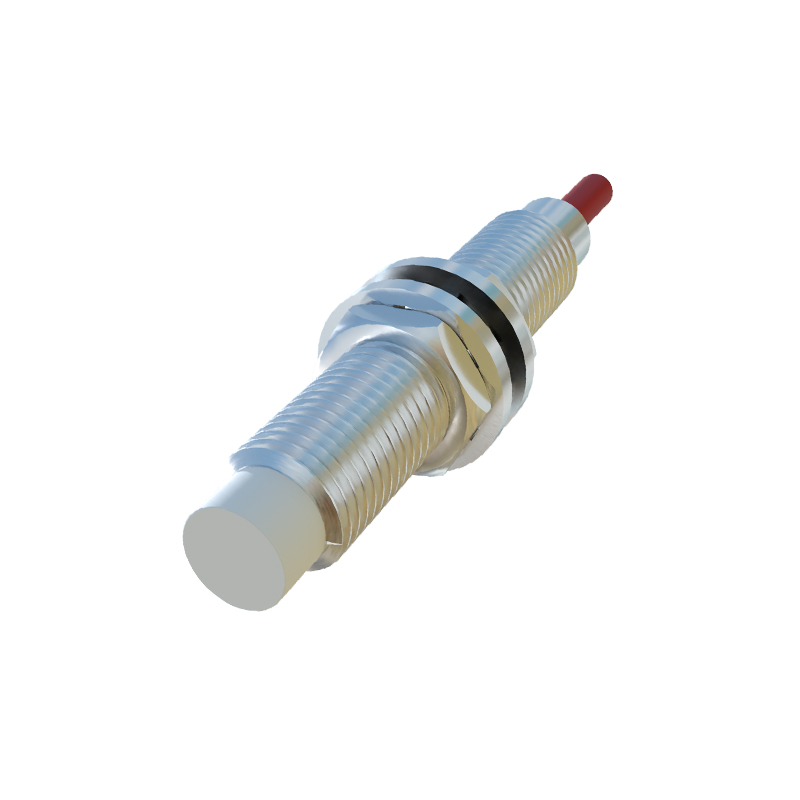
Pepperl+Fuchs, also headquartered in Germany, is a specialist in sensor technology and intrinsic safety for hazardous areas. Their proximity sensors are widely used in industries like chemical, oil and gas, and pharmaceuticals, where explosion-proof certifications are crucial. Pepperl+Fuchs provides both inductive and capacitive sensors with high immunity to interference and extended sensing ranges. The company's expertise in developing sensors for extreme conditions ensures operational continuity in challenging environments.
From the United States, Rockwell Automation offers a broad array of proximity sensors under the Allen-Bradley brand. These sensors are designed for seamless integration with Rockwell's control systems, providing a unified automation ecosystem. Their product line includes standard inductive sensors, factor-1 cylindrical models, and specialized variants for welding-resistant applications. Rockwell emphasizes ease of use, with features like built-in diagnostics and simple mounting options, catering to the needs of modern manufacturing plants.
Balluff GmbH, a German sensor manufacturer, is recognized for its innovative and high-quality proximity sensors. Balluff's offerings include inductive, capacitive, and magnetic sensors, often featuring IO-Link communication for enhanced functionality. Their sensors are praised for precision and flexibility, with options like multi-voltage devices and hygienic designs for food and beverage industries. Balluff's commitment to customization allows clients to tailor sensors to specific operational requirements.
ifm electronic, another German player, focuses on creating efficient and user-friendly sensor solutions. ifm's proximity sensor range is extensive, covering inductive, capacitive, and ultrasonic types with robust housings for industrial durability. A standout feature is their diagnostic capabilities, such as condition monitoring via LED indicators or digital interfaces, which help reduce downtime. ifm sensors are commonly deployed in material handling, automotive, and machine tool applications.
Turck, a global manufacturer based in Germany, provides a diverse selection of proximity sensors known for their resilience and performance. Turck's products include inductive sensors with extended ranges, capacitive sensors for level detection, and special models for welding environments. The company excels in offering sensors with high ingress protection ratings, making them suitable for wet or dusty conditions. Turck also supports connectivity through technologies like IO-Link and RFID, enhancing automation networks.
Emerging trends are shaping the future of proximity sensor manufacturing. The adoption of IO-Link for digital communication enables sensors to transmit detailed diagnostic data, facilitating predictive maintenance and smarter decision-making. Miniaturization continues to advance, allowing sensors to fit into increasingly compact machinery without sacrificing detection capabilities. Additionally, there is a growing demand for sensors with enhanced environmental resistance, such as those capable of withstanding high temperatures, pressures, or corrosive substances.
When selecting a proximity sensor manufacturer, factors to consider include application-specific needs (e.g., sensing range, material compatibility, environmental conditions), technological features (e.g., connectivity options, durability), and support services. Leading manufacturers often provide extensive technical documentation, customization services, and global distribution networks to assist clients.
In conclusion, the proximity sensor market is driven by innovative manufacturers like Sick, Omron, Pepperl+Fuchs, Rockwell Automation, Balluff, ifm, and Turck, each contributing to the advancement of industrial automation. Their continuous research and development efforts ensure that proximity sensors remain vital for achieving efficiency, safety, and intelligence in modern factories. As industries embrace automation and digital transformation, these manufacturers will play a pivotal role in shaping the next generation of