Light transmission laser sensors are pivotal components in modern industrial automation, offering precise detection and measurement capabilities across various sectors. These sensors operate by emitting a laser beam towards a target; the amount of light that passes through the target is measured by a receiver. The principle hinges on the Beer-Lambert law, which correlates the attenuation of light to the properties of the material, such as thickness, density, or concentration. This makes them exceptionally suitable for applications requiring non-contact, high-accuracy monitoring.
In manufacturing, particularly in the plastics, glass, and packaging industries, light transmission laser sensors are employed for quality control. For instance, they can detect inconsistencies in transparent or translucent materials, such as bubbles in glassware, variations in film thickness, or contaminants in liquid solutions. The sensors provide real-time data, enabling immediate adjustments in production lines to minimize waste and ensure product uniformity. Their high response speed and resolution allow for integration into high-speed assembly processes, where they verify the presence, position, or integrity of components without physical contact, reducing wear and maintenance needs.
The design of these sensors often incorporates advanced features to enhance reliability in harsh environments. Many models are built with robust housings rated for IP67 or higher, protecting against dust, moisture, and mechanical shocks. Additionally, they may include temperature compensation circuits to maintain accuracy across fluctuating operational conditions. The laser sources typically used are Class 1 or Class 2, ensuring eye safety while providing sufficient intensity for accurate measurements. Modern sensors also integrate digital interfaces, such as IO-Link or Ethernet/IP, facilitating seamless communication with PLCs and SCADA systems for data logging and analysis.
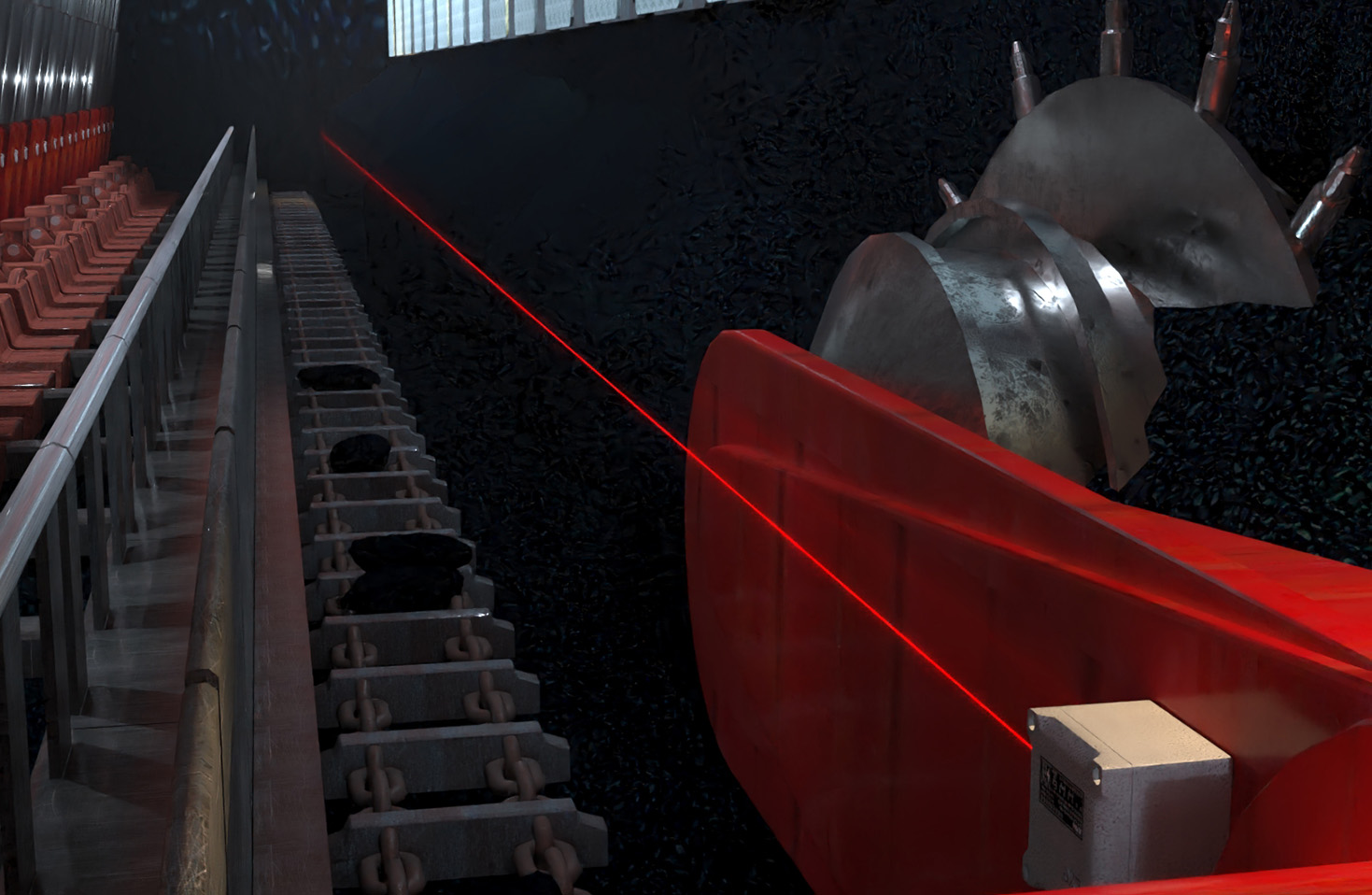
Calibration and setup are straightforward, often involving teach-in functions where the sensor learns the reference transmission values for specific materials. This adaptability allows a single sensor type to be used in diverse applications, from monitoring the clarity of beverages in food processing to measuring the opacity of coatings in automotive finishes. However, challenges such as ambient light interference or highly reflective surfaces can affect performance. To mitigate this, sensors may use modulated laser signals or specialized filters that distinguish the emitted light from background noise, ensuring stable readings.
Looking ahead, trends in Industry 4.0 are driving the evolution of light transmission laser sensors toward greater connectivity and intelligence. Integration with AI algorithms enables predictive maintenance by analyzing transmission patterns over time, identifying gradual material degradation before failures occur. Furthermore, miniaturization efforts are expanding their use in compact devices and robotics, enhancing precision in micro-manufacturing. As industries prioritize efficiency and sustainability, these sensors play a crucial role in optimizing resource use and reducing energy consumption through precise control.
In summary, light transmission laser sensors are indispensable tools in industrial settings, offering unmatched precision and versatility. Their ability to provide reliable, non-contact measurements supports quality assurance, process optimization, and automation advancements. By understanding their operating principles and applications, engineers can leverage these sensors to improve productivity and innovation across sectors. Continuous technological improvements promise even broader adoption, solidifying their status as key enablers of smart manufacturing and beyond.