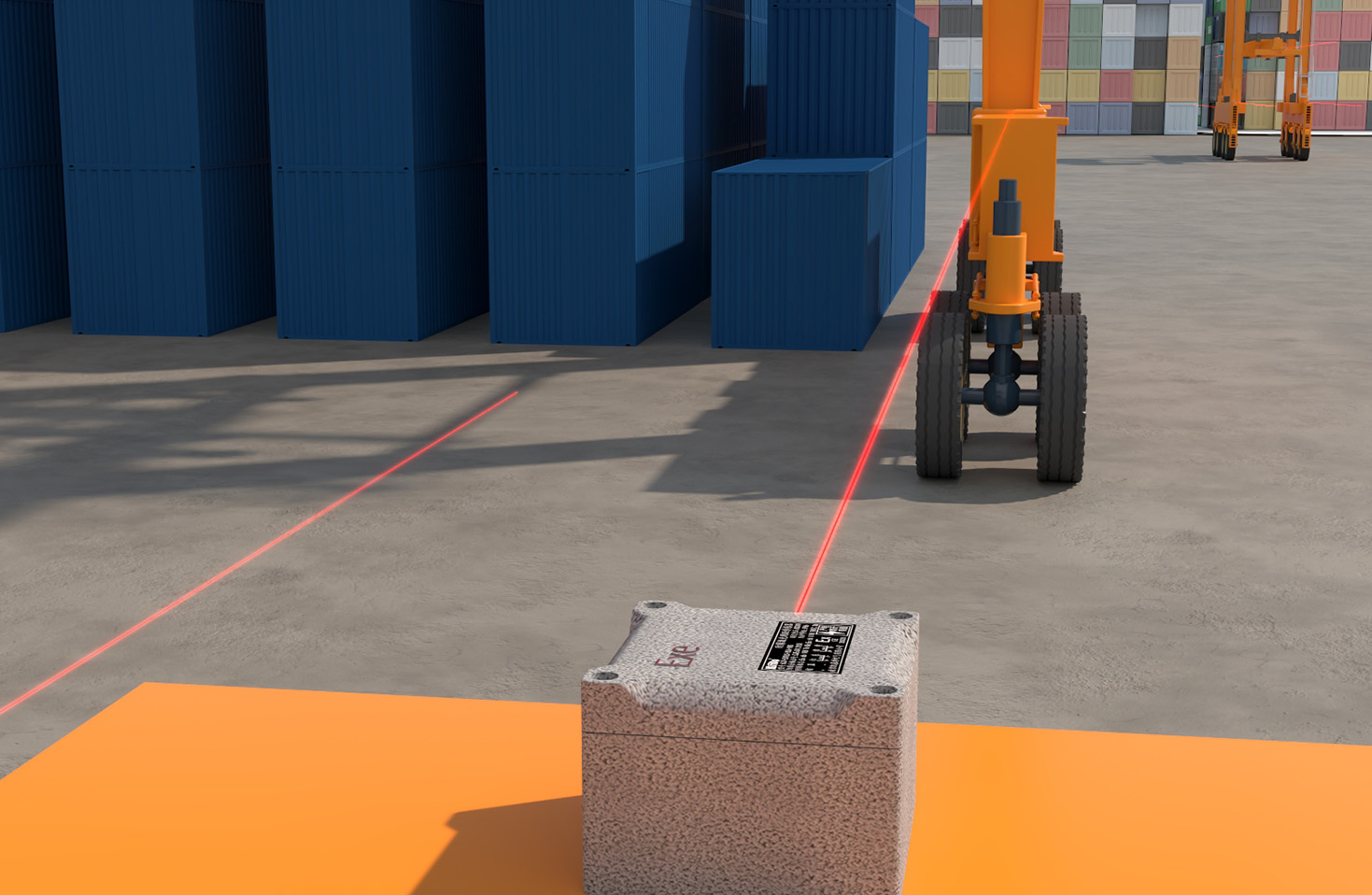
In the realm of modern industrial automation, IoT systems, and remote monitoring, the quest for reliable and maintenance-free power solutions has led to significant innovations. One such breakthrough is laser power supply for sensors, a technology that is reshaping how we think about energy delivery in challenging environments. Unlike traditional wired connections or battery-dependent setups, laser power supply offers a unique set of benefits that enhance operational efficiency and system longevity.
The core principle behind laser power supply involves transmitting energy wirelessly through focused laser beams. A laser emitter converts electrical energy into a coherent light beam, which is directed precisely toward a photovoltaic receiver attached to the sensor. This receiver then converts the light back into electrical energy to power the sensor. This method eliminates the need for physical wiring or frequent battery replacements, making it ideal for applications where accessibility is limited or hazardous.
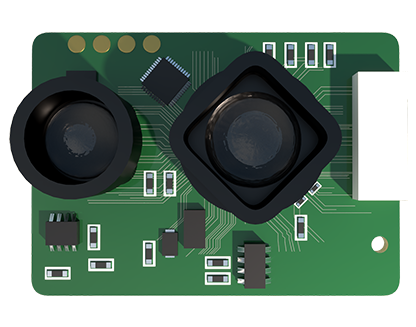
One of the most compelling advantages is the ability to deliver power over long distances with minimal energy loss. Laser beams can be focused over hundreds of meters, providing consistent energy to sensors in remote locations such as pipelines, wind turbines, or deep within industrial machinery. This reduces infrastructure costs associated with laying cables and ensures continuous operation without interruptions. Additionally, laser power supply is highly efficient in terms of energy conversion, often surpassing traditional wireless methods like inductive coupling in scenarios requiring precise targeting.
Another key benefit is enhanced safety and reliability. In environments with explosive gases, corrosive substances, or extreme temperatures, electrical wiring can pose significant risks. Laser power supply, being contactless, minimizes spark hazards and reduces the risk of short circuits. Sensors powered this way can operate in harsh conditions without compromising performance, leading to improved system durability and lower maintenance demands. Moreover, since there are no batteries involved, concerns about battery leakage, degradation, or disposal are entirely eliminated, contributing to more sustainable operations.
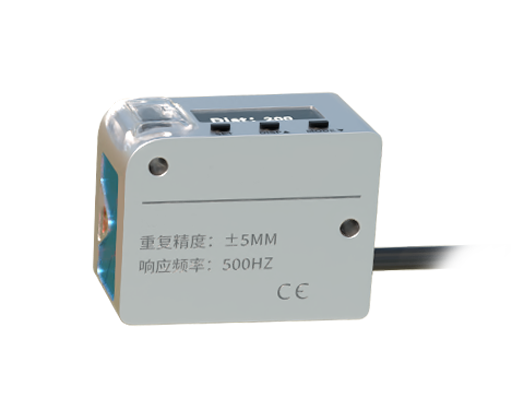
The precision of laser targeting also allows for selective powering of multiple sensors within a network. By using adjustable laser emitters, energy can be directed to specific sensors as needed, enabling dynamic power management. This is particularly useful in adaptive systems where sensor activation varies based on real-time data. Furthermore, laser power supply supports high-power applications, such as driving sensors with high sampling rates or additional functionalities like data transmission modules, without the bulk of heavy cables.
From an economic perspective, while the initial setup cost for laser power systems may be higher than conventional methods, the long-term savings are substantial. Reduced maintenance, elimination of battery replacements, and decreased downtime translate to lower total cost of ownership. Industries like oil and gas, aerospace, and smart agriculture are increasingly adopting this technology to optimize their monitoring systems. For instance, in agricultural fields, sensors powered by lasers can monitor soil moisture and crop health without the hassle of wiring across vast areas.
In conclusion, laser power supply for sensors represents a transformative approach to energy delivery, combining efficiency, safety, and adaptability. As technology advances, we can expect further miniaturization and cost reductions, making it accessible for broader applications. By embracing this innovation, industries can achieve greater autonomy in their sensor networks, paving the way for smarter and more resilient infrastructures.