In the demanding landscape of industrial automation, particularly within sectors like oil and gas, chemical processing, mining, and grain handling, the role of explosion-proof proximity sensors is paramount. These specialized devices are engineered to detect the presence or absence of objects in hazardous locations where flammable gases, vapors, or combustible dusts may be present. Unlike standard sensors, they are housed within robust enclosures designed to contain any internal explosion and prevent the ignition of the surrounding atmosphere. Consequently, their pricing structure is influenced by a complex matrix of factors beyond the basic cost of components. Understanding this pricing is crucial for engineers, procurement specialists, and project managers to make informed capital expenditure decisions.
The primary driver of cost is the certification and compliance standard. Sensors intended for use in hazardous areas must undergo rigorous testing and certification by globally recognized bodies such as ATEX (EU), IECEx (International), UL/CSA (North America), or other regional equivalents. The specific zone/division and gas group classification (e.g., Zone 1, Class I Division 1, Group IIB+H2) directly impact the design complexity and material requirements. A sensor certified for a wider range of hazardous conditions, like those involving hydrogen, will command a higher price than one rated for less volatile environments. The certification process itself is lengthy and expensive, a cost inevitably passed down the supply chain.
Construction materials and design integrity form the next significant cost component. The housing is typically made from high-grade stainless steel (e.g., 316L), brass, or specialized aluminum alloys that offer superior corrosion resistance and mechanical strength. The sealing technology—often involving glass-to-metal seals or complex labyrinth paths—must be flawless to maintain the integrity of the explosion-proof enclosure. The sensing element itself, whether inductive, capacitive, or magnetic, may also use more durable or specialized materials to ensure long-term reliability under extreme conditions. The manufacturing precision required for these enclosures far exceeds that of standard industrial sensors.
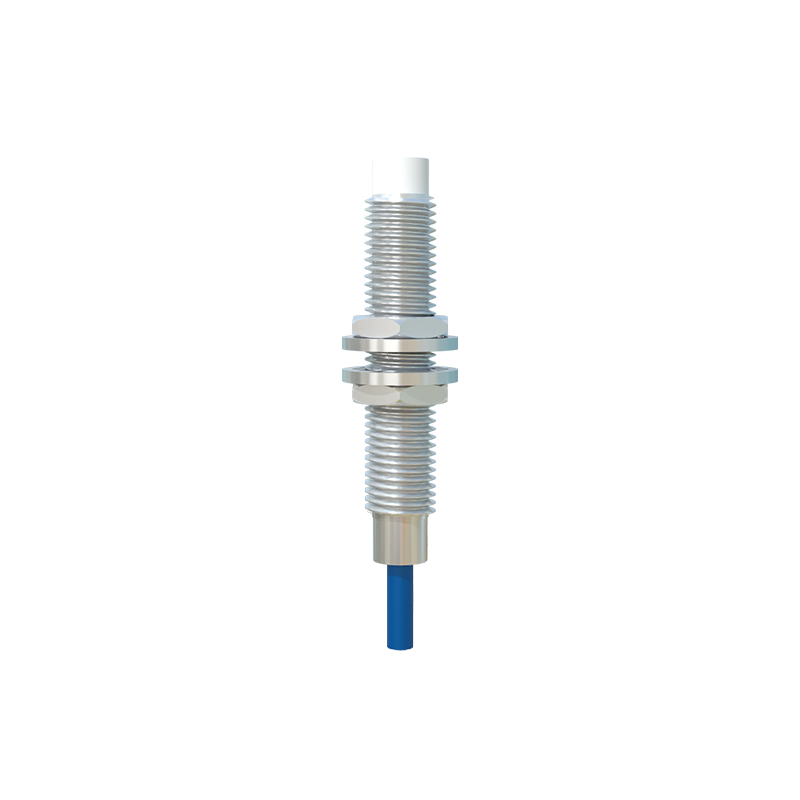
Performance specifications further delineate price points. Key parameters include sensing distance, repeat accuracy, response frequency, and temperature range. A sensor with a longer nominal sensing distance or one capable of operating reliably in ambient temperatures from -40°C to +85°C requires more advanced engineering. Additional features such as short-circuit protection, reverse polarity protection, LED status indicators, and various output types (PNP/NPN, analog, IO-Link) add functionality but also incremental cost. The integration of smart diagnostics and connectivity for Industry 4.0 applications is becoming a premium feature that influences price.
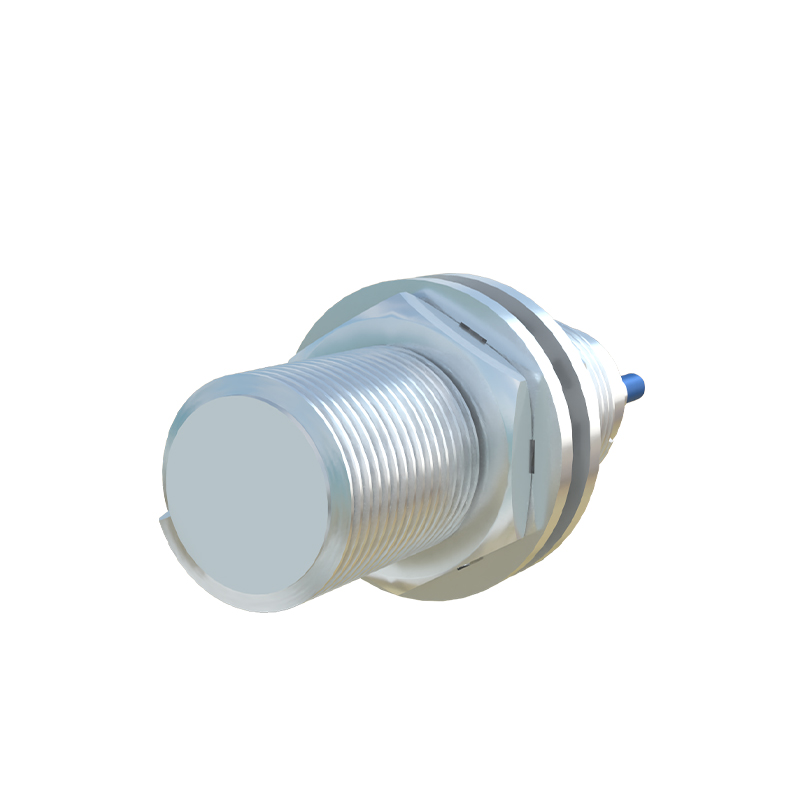
The brand reputation and supply chain stability of the manufacturer are intangible yet critical factors. Established global brands with a long history in hazardous location equipment often price their products at a premium, justified by proven field reliability, extensive technical support, global availability, and shorter lead times. Conversely, newer entrants or generic brands may offer lower initial costs, but potential risks regarding certification authenticity, long-term spare part availability, and technical documentation must be carefully evaluated. The total cost of ownership (TCO), which includes installation, maintenance, and potential downtime costs, often favors higher-quality, albeit more expensive, initial purchases.
Market dynamics and order specifics also play a role. Economies of scale apply; a bulk order for a large-scale project will typically secure a better unit price than a one-off purchase. Geographic factors, including import duties, local distributor markups, and currency exchange rates, can cause significant regional price variations. Furthermore, customizations—such as special cable lengths, unique connector types, or modified housing shapes—will incur additional engineering and production charges.
In conclusion, the price of an explosion-proof proximity sensor is a reflection of its engineered safety, robust construction, certified performance, and the assurance it provides in preventing catastrophic incidents. It is an investment in operational safety and continuity. When evaluating options, professionals must look beyond the initial unit price and consider the certification validity, material suitability for the specific environment, required performance features, and the manufacturer's support ecosystem. A meticulous cost-benefit analysis aligned with the application's risk assessment will always yield the most economically and technically sound selection for safeguarding personnel and assets in hazardous industrial settings.