In the demanding environment of modern industrial automation, dust laser sensors are critical components for applications ranging from material level detection and particle size analysis to safety guarding and process control. These sophisticated devices operate by emitting a laser beam and analyzing the reflected light to determine distance, presence, or concentration of particulate matter. However, their very purpose often places them in environments where airborne dust, powder, and other contaminants are prevalent. The accumulation of such debris on the sensor's optical window is not a matter of if, but when. This contamination directly interferes with the laser beam's transmission and reception, leading to signal attenuation, measurement drift, false triggers, or complete sensor failure. Therefore, establishing and adhering to a rigorous, methodical cleaning protocol is not merely maintenance—it is essential for ensuring operational reliability, data accuracy, and system uptime.
The first and most crucial step in any cleaning procedure is safety and preparation. Always consult the manufacturer's specific manual for any warnings, recommended cleaning agents, or disassembly instructions. Prior to any cleaning activity, the sensor must be properly isolated from the process. This involves following a strict lock-out/tag-out (LOTO) procedure to de-energize the electrical supply and, if applicable, isolating any pneumatic lines. Never attempt to clean a powered sensor. Allow the sensor housing to cool to ambient temperature if it operates in a hot environment. Gather the appropriate tools: lint-free wipes (such as those made from microfiber or specialized optical cloth), high-purity isopropyl alcohol (IPA, 99% grade or higher), compressed air cans or a clean, dry, oil-free air supply with a regulated nozzle, and cotton swabs with plastic sticks (wooden sticks can splinter).
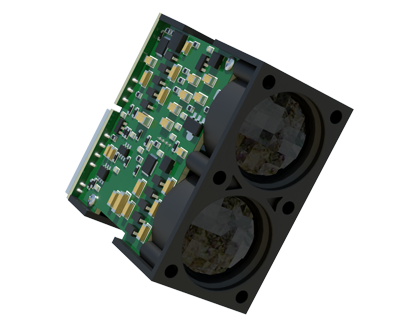
The core cleaning process should be gentle yet thorough. Begin by using the dry, oil-free compressed air to blow loose dust and particulates away from the optical lens and the sensor housing. Hold the air nozzle at an angle and use short bursts to avoid driving moisture or particles deeper into seams or ports. Do not use shop air directly unless it is confirmed to be filtered and dry, as it often contains oil and water vapor. For the optical surface itself, the gold standard is the "drag wipe" method with solvent. Apply a few drops of high-purity IPA onto a fresh, clean portion of a lint-free wipe—never spray solvent directly onto the lens. Gently drag the dampened wipe across the lens surface in one direction, applying minimal pressure. Avoid circular rubbing, which can grind particles into the coating. Use a new, dry section of a lint-free wipe to gently remove any remaining solvent streaks. For stubborn residues, a fresh cotton swab lightly dampened with IPA can be used for precise cleaning around the lens bezel, followed by a final dry wipe.
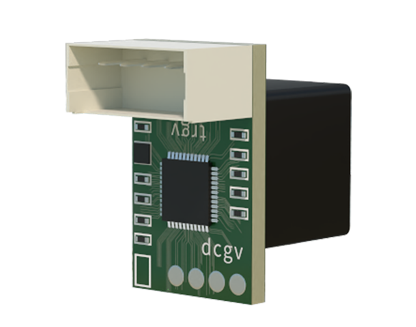
It is imperative to avoid common pitfalls that can cause irreversible damage. Never use abrasive materials like paper towels, shop rags, or tissues, as they will scratch delicate optical coatings. Avoid aggressive solvents such as acetone, ketones, or window cleaners, which can degrade lens polymers, dissolve adhesives, or leave hazy residues. Do not submerge the sensor in liquid unless it is explicitly rated as waterproof. After cleaning, always allow the sensor to air-dry completely for a few minutes before re-energizing to ensure all solvent has evaporated. Once powered, perform a functional test according to the manufacturer's guidelines to verify signal strength and measurement accuracy have been restored.
The frequency of cleaning is not a fixed schedule but should be determined by the specific operating environment's contamination level. A best practice is to integrate visual inspection into routine preventive maintenance rounds. Cloudiness, visible film, or dust buildup on the lens is a clear indicator. Additionally, monitoring the sensor's output signal or diagnostic values (often available via IO-Link or other digital interfaces) for gradual degradation can provide an early warning before a critical fault occurs. For extremely harsh environments, consider engineering controls such as installing a positive-pressure purge system that continuously blows a thin curtain of clean, dry air across the lens to prevent contaminant deposition in the first place.
In conclusion, the precision and reliability of a dust laser sensor are directly tied to the clarity of its optical path. A disciplined, correct cleaning routine, using the proper materials and techniques, preserves this clarity. This proactive approach minimizes unplanned downtime, prevents costly process errors or safety incidents, and ultimately extends the service life of a vital industrial asset. Treating sensor maintenance with the same rigor as the core process it monitors is a hallmark of sophisticated and reliable industrial operation.