In the rapidly evolving landscape of electronic design, proximity and ambient light sensors (PALS) have become integral components, enabling functionalities such as automatic display dimming, touchless gesture control, and adaptive brightness in smartphones, automotive systems, and IoT devices. The reliability and accuracy of these sensors hinge on rigorous testing protocols conducted by specialized testing mechanisms or institutions. This article delves into the core principles, methodologies, and technological frameworks employed by testing bodies to validate sensor performance, ensuring they meet stringent industry standards.
The primary function of a proximity sensor is to detect the presence of nearby objects without physical contact, typically using infrared (IR) LEDs and photodetectors. Ambient light sensors, on the other hand, measure the intensity of environmental light to adjust screen brightness or trigger other adaptive responses. Given their critical roles, any deviation in performance can lead to user dissatisfaction, increased power consumption, or system failures. Consequently, testing institutions implement comprehensive evaluation procedures that simulate real-world conditions.
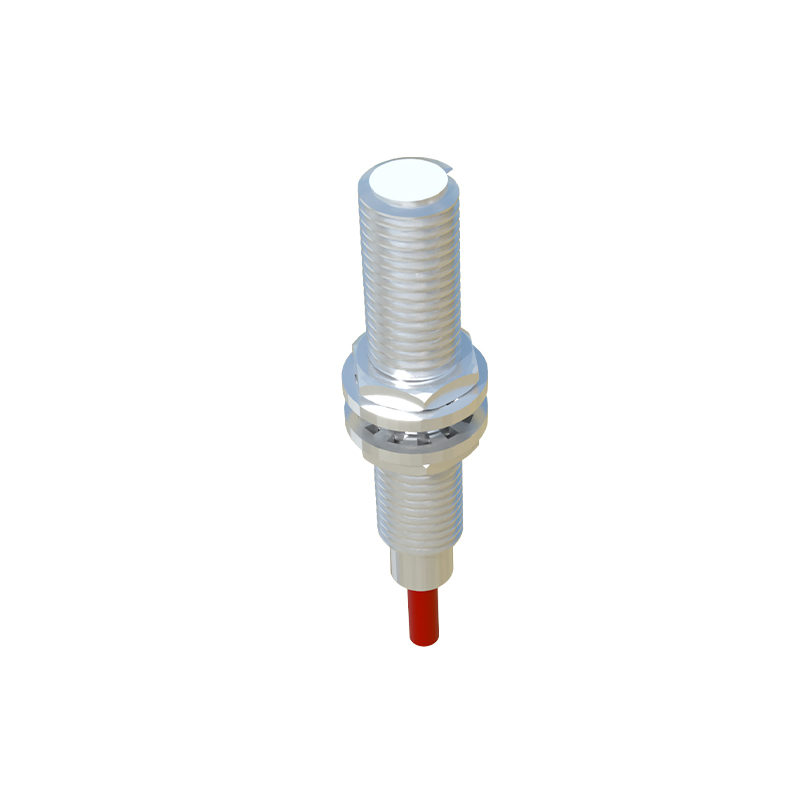
A standard testing regimen encompasses several key parameters. For proximity sensors, testing focuses on detection range accuracy, response time, cross-talk immunity (minimizing interference from external IR sources), and power efficiency. Testing mechanisms utilize calibrated distance stages, programmable IR emitters, and controlled ambient light chambers to measure these metrics. The sensor under test is subjected to varying distances and object reflectivities to ensure consistent operation across different materials and environmental backgrounds.
Ambient light sensor testing is equally meticulous. It involves spectral response analysis to verify the sensor’s sensitivity across the visible light spectrum, often aligning with the human eye’s photopic response. Testing institutions employ integrating spheres coupled with monochromators or tunable light sources to generate precise light intensities and color temperatures. Key evaluations include linearity (output vs. illuminance), dynamic range, and low-light performance. Additionally, tests for infrared rejection are crucial, as unwanted IR radiation can skew readings, especially in environments with mixed light sources like sunlight or incandescent bulbs.
Advanced testing frameworks incorporate automated systems for high-throughput validation, essential for mass production. Robotic arms position sensors relative to test fixtures, while data acquisition systems log performance metrics in real-time. These systems adhere to international standards such as those from the International Electrotechnical Commission (IEC) or the Institute of Electrical and Electronics Engineers (IEEE), which define baseline requirements for sensor accuracy, reliability, and interoperability.
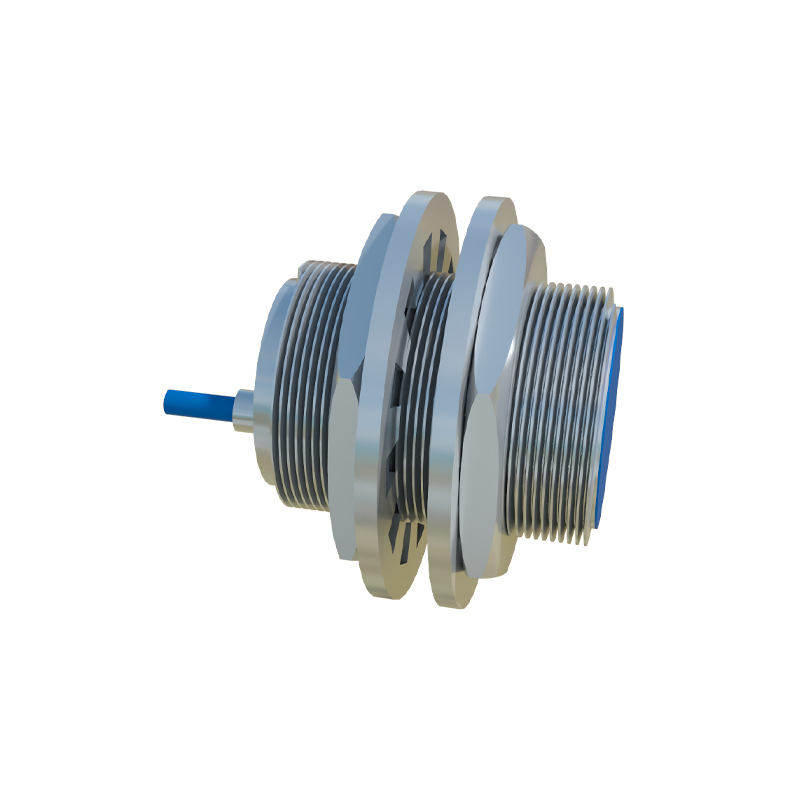
Environmental stress testing forms another critical pillar. Sensors are exposed to temperature extremes, humidity variations, and mechanical shocks to assess durability and long-term stability. Accelerated life testing predicts sensor lifespan under continuous operation, identifying potential failure modes like LED degradation or photodetector drift.
Moreover, with the advent of sensor fusion—where proximity and ambient light data are combined with inputs from accelerometers or gyroscopes—testing has grown more complex. Institutions now develop scenarios that replicate actual usage patterns, such as sudden transitions from dark to bright environments or rapid hand movements near a device. This holistic approach ensures that sensors perform reliably not in isolation but as part of an integrated system.
In conclusion, proximity and ambient light sensor testing mechanisms are pivotal in upholding quality and innovation in electronics. By leveraging sophisticated equipment, standardized protocols, and adaptive testing strategies, these institutions guarantee that sensors deliver precise, consistent, and energy-efficient performance. As sensor technology advances toward higher sensitivity and miniaturization, testing methodologies will continue to evolve, driven by the relentless pursuit of excellence in electronic design and user experience.