In the construction and heavy machinery industry, Elephant concrete pump trucks are renowned for their robust performance and reliability. A critical component ensuring their operational precision and safety is the proximity switch sensor. These sensors play a pivotal role in monitoring and controlling various mechanical movements, preventing collisions, and optimizing workflow. This article delves into the technical aspects, applications, and maintenance of proximity switch sensors in Elephant pump trucks, tailored for electrical engineers and industry professionals.
Proximity switch sensors are non-contact devices that detect the presence or absence of an object within a specific range. In Elephant concrete pump trucks, they are typically installed on key moving parts such as the boom arms, outriggers, and hydraulic cylinders. By utilizing electromagnetic fields or capacitive principles, these sensors provide real-time feedback to the truck’s control system, enabling automated adjustments and enhancing safety. For instance, when the boom extends to pour concrete, proximity sensors ensure it does not exceed predefined limits, avoiding structural stress or accidents.
The primary types of proximity sensors used in these trucks include inductive, capacitive, and magnetic variants. Inductive sensors are common for detecting metallic components in the hydraulic system, offering high durability in harsh environments with dust, moisture, and vibrations. Capacitive sensors, on the other hand, can detect non-metallic materials, useful for monitoring fluid levels or rubber seals. Magnetic sensors are often employed for position sensing in linear actuators, contributing to precise boom movement control. Elephant pump trucks integrate these sensors into a centralized PLC (Programmable Logic Controller) system, allowing for seamless communication and fault diagnostics.
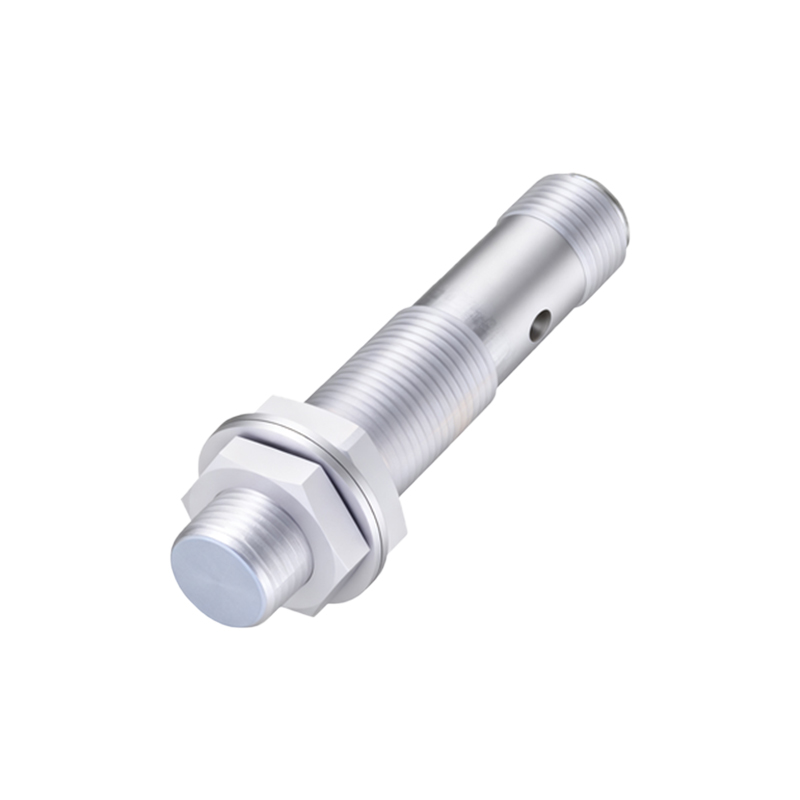
From an engineering perspective, the installation and calibration of proximity sensors require meticulous attention. Proper alignment and gap settings are crucial to avoid false triggers or signal loss. In Elephant models, sensors are typically shielded to minimize interference from electromagnetic noise generated by the pump’s motor or other electronic components. Regular maintenance involves checking for physical damage, cleaning sensor surfaces, and verifying output signals with multimeters or oscilloscopes. Engineers should refer to the manufacturer’s datasheets for specifications like sensing distance, response time, and temperature ratings, which vary based on the sensor model and application.
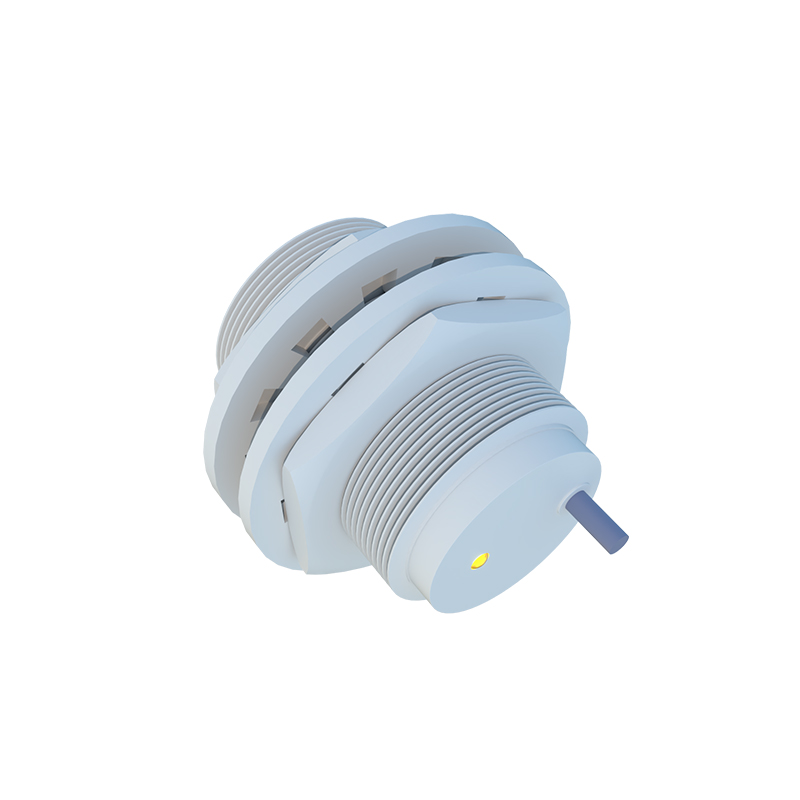
In practice, proximity sensors enhance the efficiency of Elephant pump trucks by reducing downtime and preventing costly repairs. For example, during concrete pouring, sensors on the outriggers detect ground contact, ensuring stability before operation. Additionally, they facilitate predictive maintenance by logging operational data, alerting operators to wear or misalignment before failures occur. As the industry moves towards IoT integration, these sensors are increasingly connected to telematics systems, enabling remote monitoring and data analytics for optimized performance.
Despite their advantages, challenges such as environmental extremes or electrical interference can affect sensor reliability. Engineers must select sensors with appropriate IP ratings for waterproofing and dust resistance, and implement redundancy in critical systems. Training for technicians on troubleshooting sensor-related issues is also essential to maintain operational continuity.
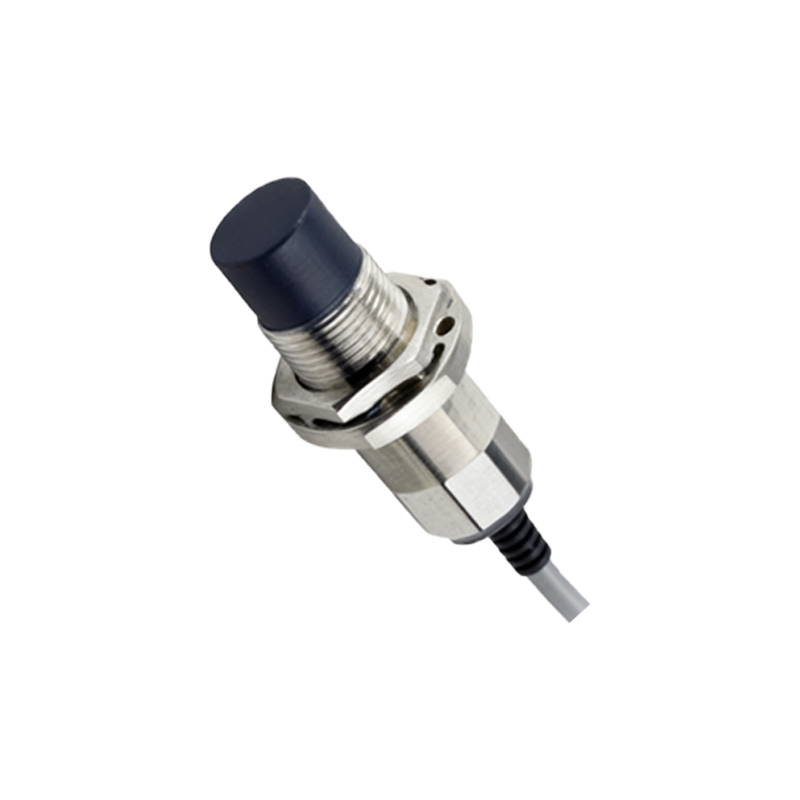
In summary, proximity switch sensors are indispensable in Elephant concrete pump trucks, bridging mechanical operations with electronic control. Their role in safety, precision, and efficiency underscores the importance of advanced sensor technology in modern construction machinery. As innovations in smart sensors and automation evolve, we can expect further enhancements in the functionality and reliability of these systems, driving the industry toward greater productivity and safety standards.