In the rapidly evolving landscape of industrial automation and smart technology, proximity sensors play a pivotal role. These devices, capable of detecting the presence or absence of nearby objects without physical contact, are fundamental components in manufacturing, automotive, consumer electronics, and robotics. The global market for these sensors is dominated by several established international brands, each renowned for innovation, reliability, and precision engineering. This article explores the leading foreign brands that set the standard in proximity sensor technology.
A cornerstone in the field of industrial automation, Sick AG (Germany) is synonymous with high-performance sensor solutions. Founded in 1946, Sick has built a formidable reputation for its robust and precise proximity sensors. The company's product range includes inductive, capacitive, and magnetic sensors designed to withstand harsh industrial environments. Sick sensors are celebrated for their exceptional durability, long service life, and advanced diagnostic capabilities, making them a preferred choice for complex automation tasks in logistics, packaging, and automotive assembly lines worldwide.
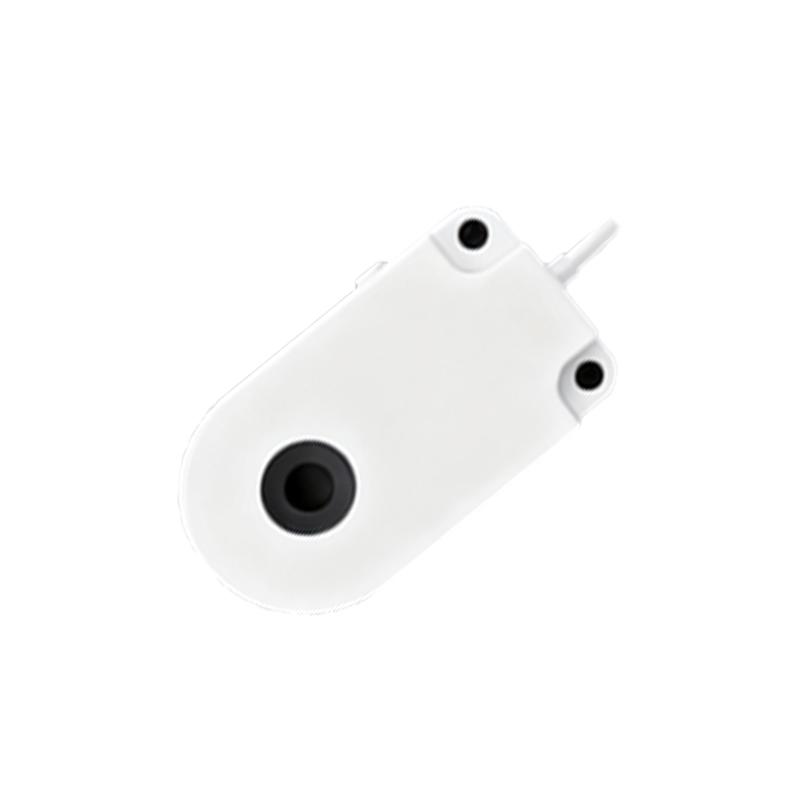
Hailing from Austria, ifm electronic gmbh is another global leader. ifm's philosophy centers on simplicity and efficiency, offering a comprehensive portfolio of inductive and capacitive proximity sensors that are easy to integrate and highly reliable. Known for their innovative features like IO-Link communication, which enables advanced parameter setting and condition monitoring, ifm sensors provide significant value in predictive maintenance strategies. Their products are ubiquitous in food and beverage, material handling, and machine building industries, prized for consistent performance that minimizes downtime.
Omron Corporation (Japan) is a titan in the world of electronics and automation. With decades of experience, Omron's proximity sensor lineup is vast and technologically advanced. The company is a pioneer in miniaturization, producing some of the world's smallest sensors without compromising on detection performance or robustness. Omron sensors are integral to precision manufacturing, particularly in the electronics and semiconductor sectors. Their focus on R&D ensures continuous innovation, with sensors featuring enhanced noise immunity, longer sensing distances, and improved energy efficiency.
From the United States, Rockwell Automation (specifically through its Allen-Bradley brand) offers industrial-grade proximity sensors that are a mainstay in North American and global manufacturing facilities. Rockwell's sensors are engineered for seamless integration with their broader control and information solutions, providing a unified ecosystem for plant operations. They are known for their rugged metal housings, superior resistance to electrical interference, and reliable operation in demanding conditions such as heavy machinery and automotive welding applications.
Pepperl+Fuchs (Germany) is a specialist in sensor technology and intrinsic safety, particularly for hazardous areas. The company excels in developing both standard and specialized proximity sensors for explosive atmospheres found in chemical, pharmaceutical, and oil & gas industries. Their expertise in designing sensors with certified explosion-proof housings ensures safety and compliance with international standards. Beyond hazardous areas, their general-purpose sensors are also highly regarded for precision and quality across all industrial sectors.
Balluff GmbH (Germany) rounds out the list of top contenders, recognized for its high-quality sensor technology and system integration expertise. Balluff provides an extensive array of inductive, capacitive, and magnetic proximity sensors, often featuring innovative designs like rectangular forms or sensors with integrated AS-Interface connectivity. They are a key partner for industries implementing Industry 4.0 and smart factory concepts, offering sensors that provide rich data for optimizing production processes.
When selecting a proximity sensor from these international brands, engineers and procurement specialists must consider several factors beyond the brand name itself. Key specifications include sensing distance, output type (PNP/NPN), housing material (often nickel-plated brass or stainless steel), environmental ratings (IP67/IP69K), and the specific electrical requirements of the application. The choice between an inductive sensor for detecting metals and a capacitive sensor for non-metals is fundamental.
The dominance of these European, Japanese, and American brands underscores the importance of technological heritage, continuous investment in research, and a deep understanding of global industrial challenges. Their products not only enable basic detection tasks but are also evolving into intelligent data points within interconnected digital systems. As the demand for automation and efficiency grows, these leading brands continue to drive innovation, pushing the boundaries of what proximity sensing technology can achieve in an increasingly automated world.