Proximity sensors are ubiquitous in modern automation, playing a critical role in everything from smartphone screens to industrial assembly lines. A common and practical question for engineers, hobbyists, and procurement managers alike is: "How much do proximity sensors cost?" The answer is not a single figure but a spectrum, influenced by a complex interplay of technology, performance, and application requirements. Understanding this pricing landscape is essential for making informed purchasing decisions.
The primary determinant of cost is the underlying sensing technology. Inductive proximity sensors, which detect metallic objects, are generally the most economical. Prices for standard cylindrical inductive sensors (e.g., M8, M12, M18 threading) can start as low as $15 to $30 for basic models from generic brands. These are workhorses in factory automation for tasks like part detection on conveyors. Moving up to branded versions from manufacturers like Omron, Schneider Electric, or Sick, prices typically range from $40 to $120, reflecting higher durability, better environmental sealing (IP ratings), and more consistent performance.

Capacitive sensors, capable of detecting both metallic and non-metallic materials like liquids, wood, or plastics, usually carry a premium over inductive types. Entry-level capacitive sensors might begin around $30 to $50, with more sophisticated models reaching $150 or more. Their complex circuitry for sensitivity adjustment contributes to the higher cost.
Photoelectric sensors, which use light beams, represent a broad category with significant price variation. Basic through-beam or diffuse reflective sensors can be found for $25 to $60. However, advanced versions with laser technology, background suppression, or precise fiber optic units can easily cost between $100 and $400. Ultrasonic sensors, used for distance measurement and level detection, follow a similar pattern, with common models priced from $50 to $250.
Beyond core technology, several key factors directly impact the price tag. Performance Specifications: Sensing range is a major cost driver. A standard 5mm range inductive sensor is inexpensive, but one with a 30mm range will cost significantly more. Similarly, sensors with higher switching frequencies (for fast-moving objects) or superior repeatability command higher prices. Build Quality and Protection: Industrial-grade sensors with robust housings (stainless steel vs. nickel-plated brass), higher Ingress Protection (IP67, IP69K) ratings for washdown environments, and extended temperature ranges are more expensive. A sensor rated for -25°C to 70°C operation will cost more than one rated for 0°C to 55°C. Output Type and Connectivity: Simple 2-wire DC or 3-wire NPN/PNP outputs are standard. Sensors with analog outputs (4-20mA, 0-10V), IO-Link digital communication, or specific network protocol compatibility (e.g., Profinet, EtherNet/IP) add substantial cost, sometimes doubling or tripling the price of a basic digital unit. Branding and Supply Chain: Established global brands (Balluff, ifm, Keyence, Banner Engineering) justify their premium—often 20-50% higher than generic equivalents—with extensive R&D, rigorous quality control, global technical support, and reliable warranties. Conversely, unbranded or generic sensors sourced directly from online marketplaces offer lower upfront costs but may involve trade-offs in longevity and consistency. Packaging and Form Factor: Miniature sensors (e.g., M5, M8 size) and specialized form factors (slot sensors, ring sensors) often cost more due to precise manufacturing requirements.
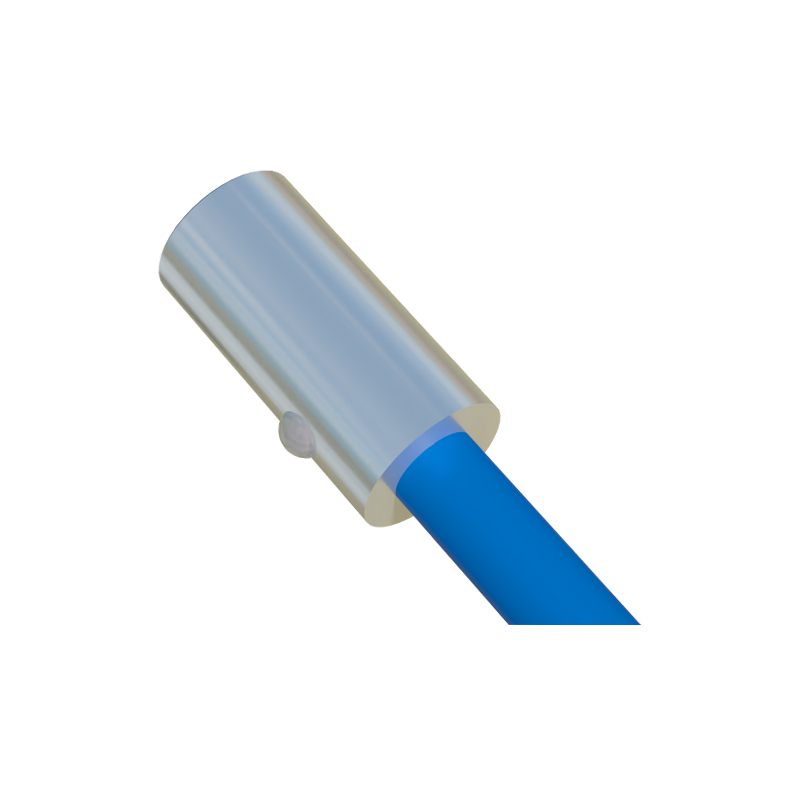
For context, here are some approximate price brackets:
Low-Cost / Hobbyist: $10 - $50. Typically unbranded inductive or basic photoelectric sensors, suitable for prototypes, educational projects, or light-duty applications.
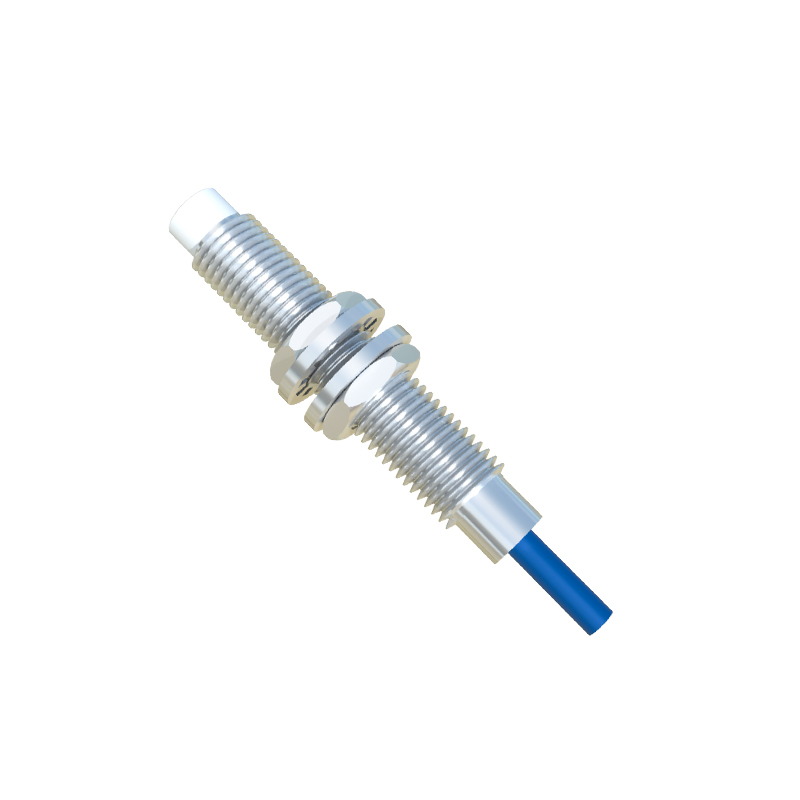
Mainstream Industrial: $50 - $200. The sweet spot for most OEM and plant maintenance applications. Includes reliable branded inductive, capacitive, and standard photoelectric sensors with good protection ratings.
High-Performance / Specialized: $200 - $800+. Encompasses long-range sensors, ultra-precise analog/LiDAR units, extreme environment sensors, and those with advanced diagnostics and smart communication like IO-Link.
When budgeting, it's crucial to consider the Total Cost of Ownership (TCO), not just the purchase price. A cheaper sensor that fails prematurely can cause costly production downtime. Factors like mean time between failures (MTBF), ease of installation and replacement, and availability of local technical support all contribute to the real long-term cost. For critical applications, investing in a reputable brand from an authorized distributor is often the most economical choice over time.
In summary, the cost of a proximity sensor is a direct reflection of its capabilities and robustness. Prices can range from under $20 for