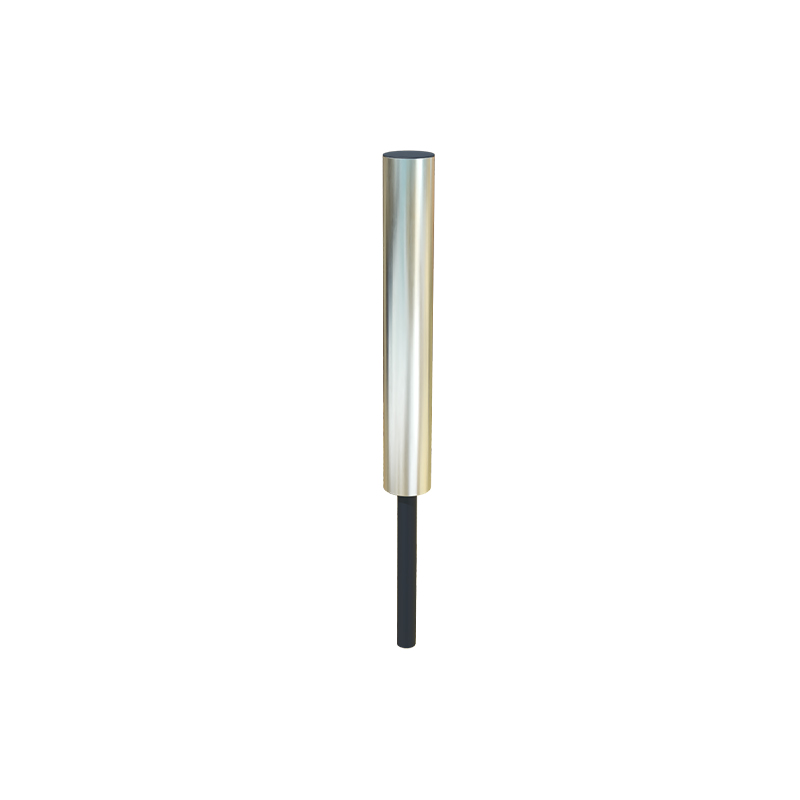
A Hall switch is a semiconductor device that operates based on the Hall effect, discovered by physicist Edwin Hall in 1879. It functions as a magnetic field sensor, converting magnetic flux density into an electrical signal to enable switching actions. The core component is a thin strip of semiconductor material, typically made from materials like gallium arsenide, indium antimonide, or silicon. When this strip is exposed to a perpendicular magnetic field, a voltage difference known as the Hall voltage appears across its sides. This phenomenon occurs because the magnetic field deflects moving charge carriers, creating an imbalance that generates the voltage.
In a Hall switch, the Hall voltage is processed by integrated electronics, including amplifiers and Schmitt triggers, to produce a clean digital output. When the magnetic field strength exceeds a predefined threshold, the output switches from a high to a low state, or vice versa, acting like an on-off switch. This makes Hall switches highly reliable for position sensing, speed detection, and current measurement without physical contact. They are immune to environmental factors like dust, moisture, and vibration, which often plague mechanical switches.
Key parameters include sensitivity, operating voltage, and response time. Sensitivity determines the minimum magnetic field required to trigger the switch, while response time affects how quickly it reacts to field changes. Hall switches come in two main types: unipolar, which respond to one pole of a magnet, and bipolar, which react to both north and south poles. Unipolar switches are simpler and commonly used in proximity sensing, such as in laptop lids or smartphone flip covers. Bipolar switches offer more flexibility in applications like rotary encoders or brushless DC motor commutation.
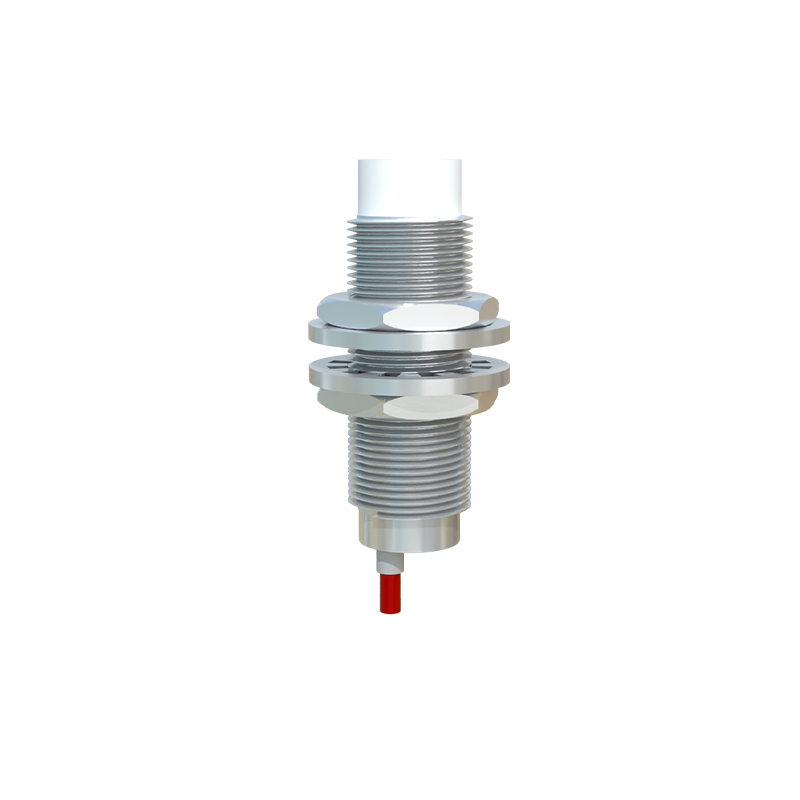
Applications span numerous industries. In automotive systems, Hall switches monitor wheel speed for anti-lock braking systems (ABS) and detect seatbelt engagement. Consumer electronics use them for touchless controls, such as in joysticks or smart home devices. Industrial automation relies on Hall switches for precise limit switching in conveyor belts or robotic arms. They also play a crucial role in energy management, such as in smart meters for current sensing, where they provide isolation and safety by detecting magnetic fields around conductors.
Compared to other sensors like reed switches or optical encoders, Hall switches offer advantages like longer lifespan, higher speed capability, and better resistance to contamination. However, they may be susceptible to electromagnetic interference (EMI) and require careful shielding in noisy environments. Proper selection involves considering factors like magnetic field orientation, temperature range, and output configuration.
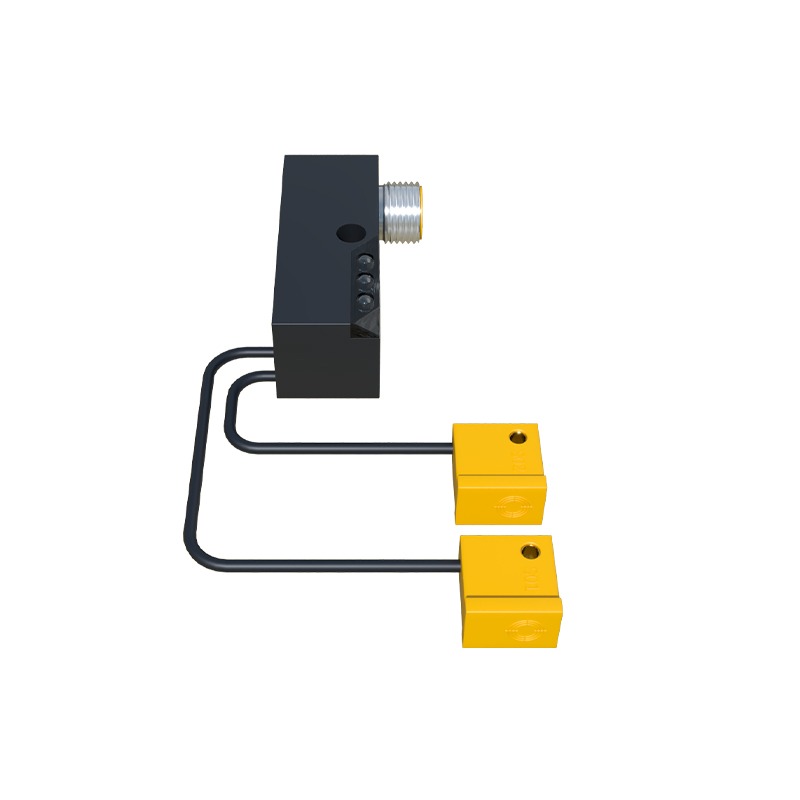
In summary, Hall switches leverage the Hall effect to deliver non-contact switching with high durability and accuracy. Their integration of sensing and signal conditioning in a single package makes them versatile for modern technology, from everyday gadgets to critical industrial systems. Understanding their principle helps in optimizing designs for efficiency and reliability, ensuring seamless operation in diverse conditions.