In the realm of industrial automation, consumer electronics, and automotive systems, proximity sensors are indispensable components. They detect the presence or absence of an object within a defined range without physical contact. For engineers, designers, and procurement specialists, evaluating proximity sensor samples is a critical step in the development and integration process. This guide delves into the practical aspects of working with these samples, offering insights to ensure optimal selection and application.
The journey typically begins with defining the application requirements. Key parameters include the sensing distance, target material, operating environment, output type, and physical size. Sensing distance, often specified as nominal or effective, must be carefully matched to the actual gap in the application. It's crucial to request samples that match the exact sensing range needed. For instance, an inductive sensor sample for detecting a metal part at 5mm will behave differently than one rated for 10mm. The target material is equally vital; inductive sensors detect metals, capacitive sensors handle both metals and non-metals, while photoelectric sensors are versatile but can be affected by color and surface finish. Always test the sample with the exact material and surface characteristics of the final target.
Upon receiving proximity sensor samples, a structured evaluation process is essential. First, verify the electrical characteristics. Connect the sample according to the datasheet specifications, paying close attention to voltage supply, current draw, and output configuration (PNP/NPN, NO/NC). Use a reliable power supply and load, such as a PLC input or a pilot lamp, to simulate real-world conditions. Measure the actual switching distance under controlled conditions. Repetitively bring the target object into the sensing field and note the point of activation. Consistency and repeatability are as important as the absolute distance. Environmental testing is another cornerstone. Expose the sensor sample to anticipated conditions—temperature extremes, humidity, vibration, or potential contaminants like oil or coolant. A sample might perform flawlessly on a clean bench but fail in a dusty manufacturing cell.
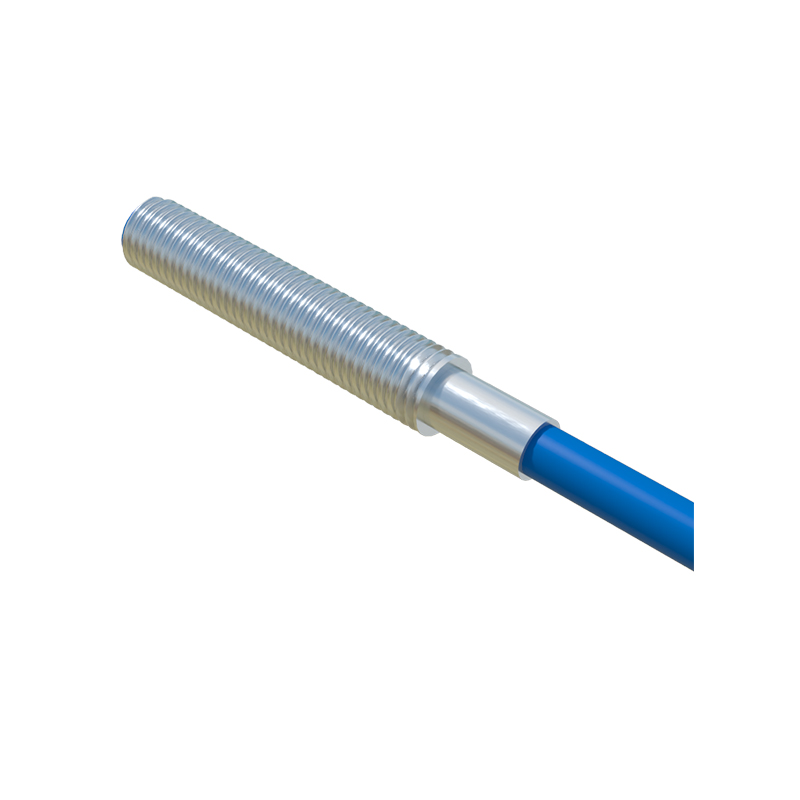
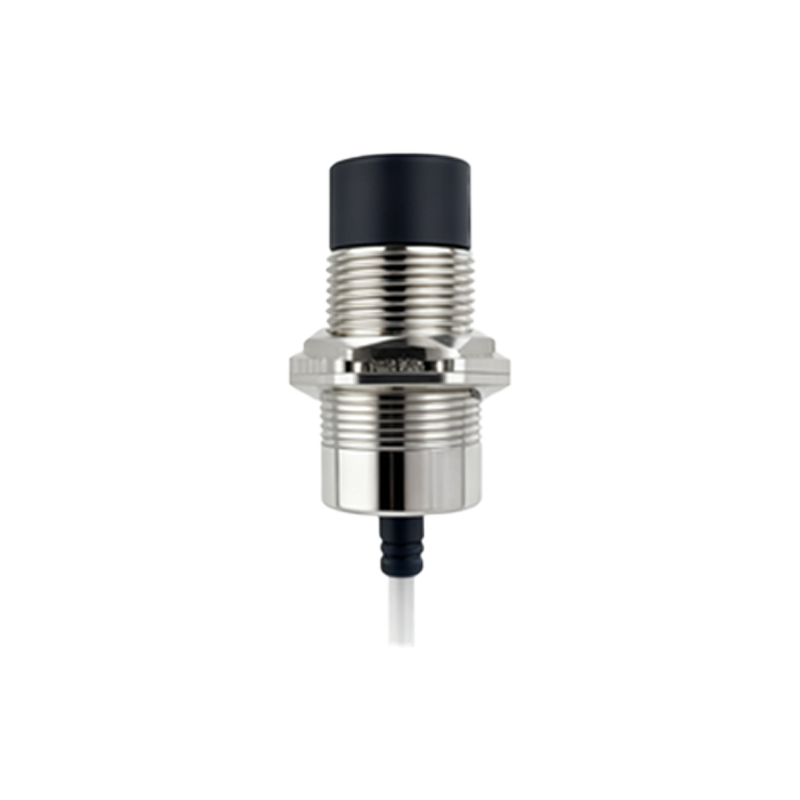
Physical installation considerations cannot be overlooked. Evaluate the housing material (e.g., stainless steel, brass, or plastic) for mechanical strength and chemical resistance. Check the connector type or cable length and strain relief. A sample with an M12 connector might be perfect for a control panel, while a compact, embeddable barrel-style sensor could be necessary for tight spaces. The sample's mounting method—flush, non-flush, or with a specific bracket—directly impacts its sensing performance and must be tested in the intended configuration.
Interpreting the sample's performance data requires a discerning eye. Look beyond the headline specifications. Examine the hysteresis (the difference between the switch-on and switch-off points), response time, and temperature drift. For high-speed applications, a millisecond difference in response time can be critical. Furthermore, assess its immunity to electrical noise and interference from adjacent sensors, especially when multiple units will be installed in close proximity. Testing for cross-talk between samples is a prudent step often revealed only through practical trial.
Engaging with suppliers during the sampling phase is highly beneficial. Reputable manufacturers provide detailed datasheets and application notes with their samples. Don't hesitate to ask for clarification on specifications or for custom sample configurations. Some suppliers offer evaluation kits containing multiple sensor types, which can accelerate the prototyping phase. Documenting all test results, including any anomalies or exceptional performance, creates a valuable reference for final procurement and future projects.
Ultimately, proximity sensor samples are not merely components to be tested; they are practical tools for de-risking a design. A thorough and methodical sample evaluation process prevents costly redesigns, production delays, and field failures. It bridges the gap between theoretical specifications and real-world performance, ensuring the selected sensor delivers reliable, long-term operation in its intended environment. By investing time in comprehensive sample testing, teams can achieve higher system reliability, efficiency, and safety.