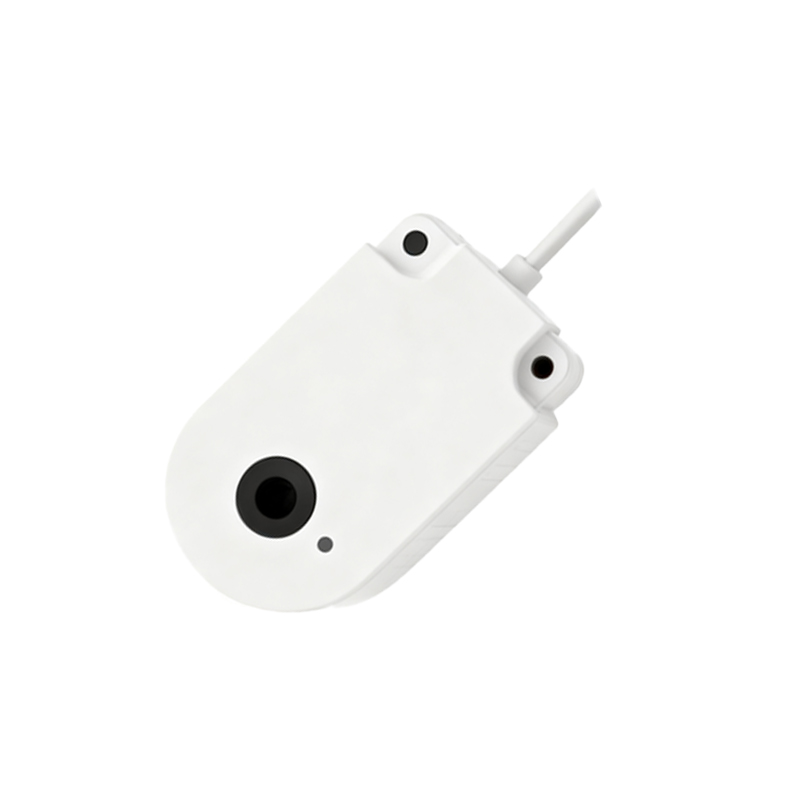
Square proximity sensors, also known as rectangular proximity switches, are essential components in industrial automation, packaging machinery, and material handling systems. Their distinct shape often allows for easier mounting and integration into machinery with straight-line designs compared to cylindrical sensors. The price of a square proximity sensor is not a single figure but a spectrum influenced by a complex interplay of technical specifications, brand reputation, and market dynamics.
At the core of the price determinant is the sensing technology. Inductive square sensors, designed to detect metallic objects, are generally the most cost-effective. Prices for standard inductive models can start as low as $20 to $50 for basic, non-branded or economy-tier products. Capacitive square sensors, capable of detecting both metallic and non-metallic materials like liquids, wood, or plastics, command a higher price, typically ranging from $50 to $150 or more due to their more complex circuitry. Ultrasonic and photoelectric square sensors, used for longer-range or precise detection, sit at the premium end, often costing between $100 and $300+ depending on their range and feature set.
Beyond the core technology, specifications drastically affect cost. Sensing range is a primary factor; a sensor with a 2mm range will be less expensive than one with a 15mm range. The type of output (e.g., NPN vs. PNP, NO vs. NC) has a minimal price impact, but analog outputs or IO-Link digital communication capabilities add a significant premium, enhancing functionality for Industry 4.0 applications. Build quality and protection ratings (IP67, IP69K) are critical for harsh environments. A sensor rated IP67 for dust and water resistance will cost more than a basic IP65 model. Housing material also matters, with stainless steel variants being more expensive than those made from nickel-plated brass or PBT plastic.
Brand positioning creates clear pricing tiers. Established global leaders like Sick, Pepperl+Fuchs, Omron, and Balluff represent the premium segment. Their square proximity sensors are renowned for exceptional reliability, precision, and longevity, with prices reflecting extensive R&D, rigorous testing, and global warranty support. Prices here can easily range from $80 to $400+. Mid-tier brands, including Autonics, Schneider Electric, and Eaton, offer a strong balance between performance and cost, with typical price points of $40 to $150. The value segment features brands like Telemecanique Sensors or numerous OEM suppliers, offering basic functionality at competitive prices, often between $20 and $80, suitable for less demanding applications.
Market factors introduce volatility. Global demand surges in sectors like automotive or consumer electronics manufacturing can tighten supply. Raw material costs for metals and semiconductors directly influence manufacturing expenses. Regional distribution channels also play a role; buying directly from a manufacturer or authorized distributor may have a different cost structure compared to third-party suppliers. Furthermore, bulk purchasing for OEM integration always attracts substantial discounts compared to buying a single unit.
When evaluating price, the Total Cost of Ownership (TCO) is a more insightful metric than just the initial purchase price. A cheaper sensor that fails prematurely can cause costly production downtime, product damage, and replacement labor. Investing in a higher-priced, reliable sensor from a reputable brand often results in lower long-term costs through consistent performance and reduced maintenance. Key considerations for buyers should include the specific application requirements (target material, required range, environmental conditions), the criticality of sensor failure to the production process, and the availability of local technical support and spare parts.
In conclusion, the price of a square proximity sensor is a direct reflection of its capabilities, durability, and brand assurance. While entry-level models are available for simple tasks, industrial applications typically justify investment in robust, feature-appropriate sensors. The market offers a solution for every budget and need, but informed selection focusing on technical fit and TCO, rather than just the lowest sticker price, is paramount for optimal operational efficiency and reliability.