In the dynamic landscape of industrial automation, the demand for robust, accurate, and reliable sensing solutions is paramount. DaQing proximity switch sensors have emerged as a critical component in this ecosystem, offering unparalleled performance in a wide array of demanding applications. These non-contact sensors are engineered to detect the presence or absence of metallic objects without any physical touch, ensuring minimal wear and tear and extended operational life.
The core technology behind DaQing proximity sensors typically involves high-frequency oscillation. When a metallic target enters the sensor's electromagnetic field, it induces eddy currents, causing a change in the oscillation amplitude. This change is detected by the sensor's circuitry, which then triggers a solid-state output signal. This principle allows for incredibly fast response times, often in the microsecond range, making them ideal for high-speed counting, positioning, and inspection tasks on production lines. DaQing sensors are renowned for their precision in sensing distance, with repeatability that ensures consistent performance even in environments with vibration or minor target misalignment.
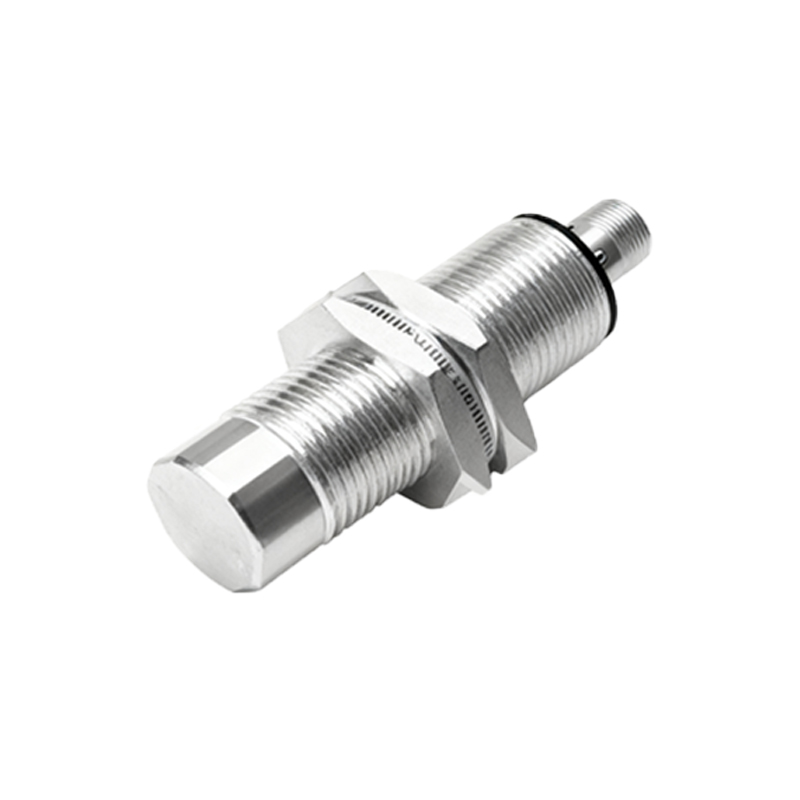
Durability is a hallmark of the DaQing brand. Constructed with high-grade materials such as stainless steel housings and epoxy-resin sealed sensing faces, these sensors are built to withstand harsh industrial conditions. They are resistant to common contaminants like oil, coolant, dust, and chips, which are prevalent in machining, automotive manufacturing, and material handling environments. Many models also feature IP67 or higher ingress protection ratings, guaranteeing reliable operation even when exposed to washdowns or temporary immersion. This rugged construction directly translates to reduced downtime and lower maintenance costs for end-users.
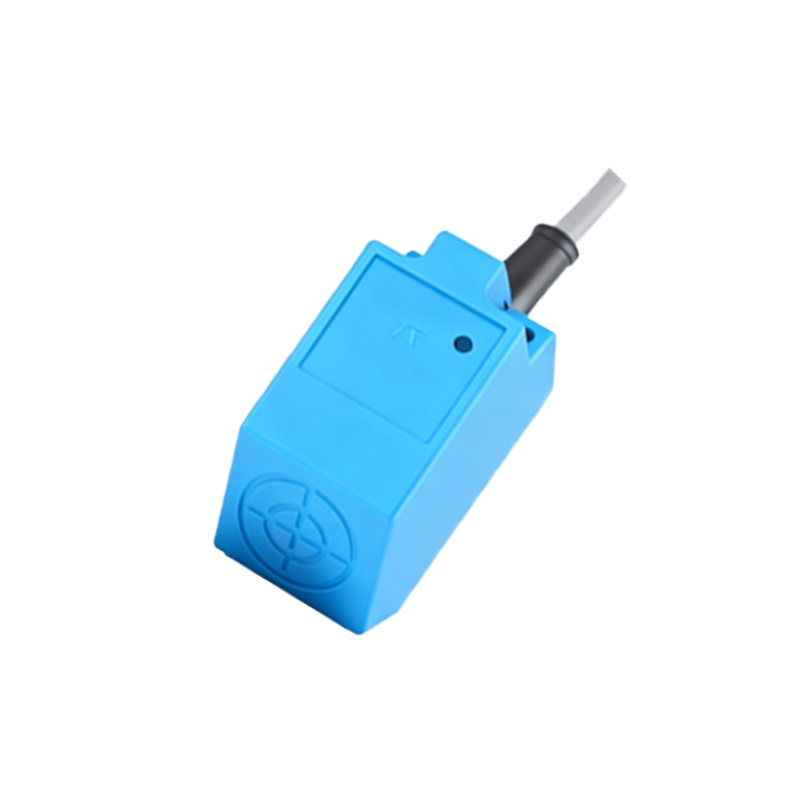
A significant advantage of DaQing proximity sensors is their versatility. They are available in various form factors, including cylindrical, rectangular, and slot-style designs, catering to different mounting and space constraints. Furthermore, they come in different sensing ranges, from a few millimeters to several tens of millimeters, and with various output types such as NPN, PNP, normally open (NO), or normally closed (NC). This allows system integrators and engineers to select the perfect sensor for specific applications, whether it's detecting a piston position in a hydraulic system, monitoring the passage of parts on a conveyor, or ensuring safety in automated machinery.
Installation and integration of DaQing sensors are designed with user convenience in mind. Features like LED status indicators provide clear visual feedback for operational state and diagnostics. Their compatibility with standard programmable logic controllers (PLCs) and industrial networks makes them a seamless addition to existing control architectures. For applications involving different types of metals, some advanced models offer factor-1 capability, meaning their sensing distance remains consistent regardless of the target metal type (e.g., steel, aluminum, brass), simplifying setup and calibration.
In practice, DaQing proximity sensors are indispensable in sectors like automotive assembly, packaging, food and beverage processing, and metalworking. In an automotive plant, they might be used to verify the correct placement of engine components. In a bottling line, they ensure containers are properly positioned for filling and capping. Their reliability is crucial for maintaining the high throughput and quality standards required in modern manufacturing.
Looking forward, the integration of smart features and Industry 4.0 connectivity is becoming increasingly relevant. While maintaining their core strengths of robustness and accuracy, the future iterations of DaQing sensors may incorporate capabilities for predictive maintenance, such as monitoring their own health parameters and communicating data over IO-Link or other industrial Ethernet protocols. This evolution will further enhance their value by providing deeper insights into production processes.
In conclusion, DaQing proximity switch sensors represent a blend of proven inductive sensing technology and practical, rugged design. Their precision, reliability, and adaptability make them a trusted choice for engineers worldwide seeking to enhance the efficiency, safety, and intelligence of their automated systems. By providing a dependable means of object detection without contact, they form a silent yet fundamental backbone of continuous industrial operation.