Laser phase sensors are critical components in modern optical systems, enabling precise measurement of phase changes in light waves. These devices find applications across numerous fields, including telecommunications, metrology, biomedical imaging, and industrial manufacturing. Understanding the different types of laser phase sensors is essential for selecting the right technology for specific needs. This article explores the primary categories of laser phase sensors, their operating principles, and typical use cases.
One fundamental type is the interferometric sensor. Interferometers, such as Michelson, Mach-Zehnder, and Fabry-Perot configurations, are classic examples. They work by splitting a laser beam into two paths: a reference path and a measurement path. When the beams recombine, they create an interference pattern. Any phase shift in the measurement path, caused by factors like displacement, refractive index change, or vibration, alters this pattern. By analyzing the interference fringes, precise phase measurements can be obtained. These sensors are renowned for their exceptional accuracy, often at the nanometer scale or better, making them indispensable in gravitational wave detection (e.g., LIGO), surface profiling, and precision alignment in semiconductor lithography.
Another prominent category is the homodyne and heterodyne detection sensor. These are often used in coherent optical systems. In homodyne detection, the signal beam is mixed with a reference beam of the same frequency. The resulting photocurrent is directly proportional to the cosine of the phase difference between the two beams. It is simple but sensitive to phase noise. Heterodyne detection, more robust in dynamic environments, mixes the signal with a reference beam that has a slightly different frequency (offset by an intermediate frequency, IF). The phase information is then encoded in the beat frequency signal, which can be electronically processed. This method is widely used in laser Doppler vibrometry for measuring vibrations and in coherent LiDAR for velocity and range finding.
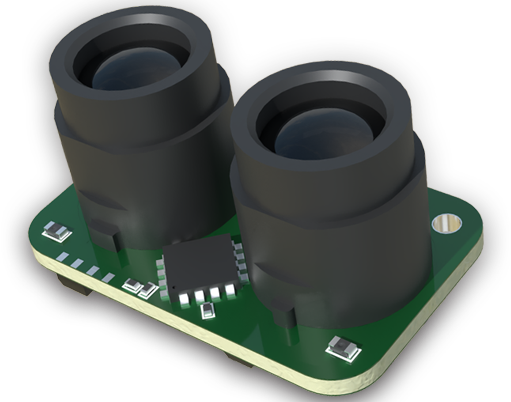
Phase-shifting sensors represent a more algorithmic approach. Devices like Phase-Shifting Interferometers (PSI) do not rely on a single interference snapshot. Instead, they capture multiple interference patterns while systematically shifting the phase of the reference beam, typically in steps of 90 degrees (π/2). A series of intensity images are recorded, and sophisticated algorithms reconstruct the complete phase map of the wavefront. This technique is highly effective for eliminating background noise and is the cornerstone of modern optical testing, used extensively for measuring the surface quality of lenses, mirrors, and optical flats.
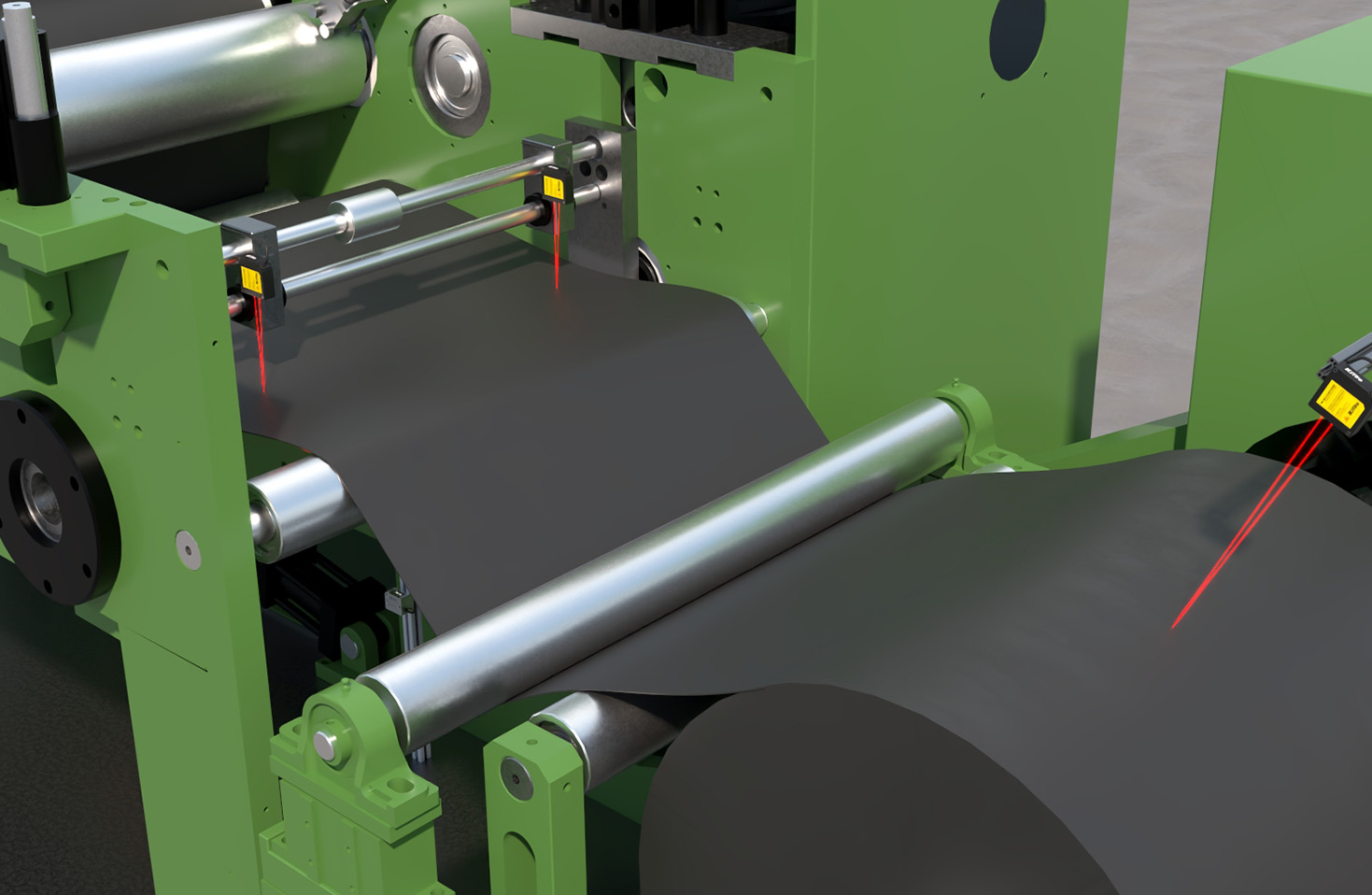
Fiber-optic phase sensors leverage the properties of optical fibers. A common implementation is the Fiber Bragg Grating (FBG) sensor. While primarily known for strain and temperature sensing via wavelength shift, FBGs can also be configured for phase-sensitive measurements, especially in interferometric setups within the fiber. More direct phase sensors include fiber-optic interferometers (intrinsic or extrinsic), where the fiber itself forms the measurement arm. Acoustic waves, pressure, or strain alter the optical path length inside the fiber, inducing a phase change. These sensors are prized for their small size, immunity to electromagnetic interference, and ability to form distributed or multiplexed sensor networks. They are crucial for structural health monitoring of bridges and pipelines, and in downhole sensing in the oil and gas industry.
Emerging technologies are pushing the boundaries of laser phase sensing. Digital holography sensors capture the entire complex optical field (both amplitude and phase) using a digital camera. Computational algorithms then allow for numerical reconstruction and analysis of the phase. This non-invasive, full-field technique is revolutionizing live-cell imaging in biology, allowing researchers to observe transparent specimens without stains. Similarly, synthetic aperture radar (SAR) principles applied to optics use phase information from multiple measurements to create high-resolution images or precise topographic maps.
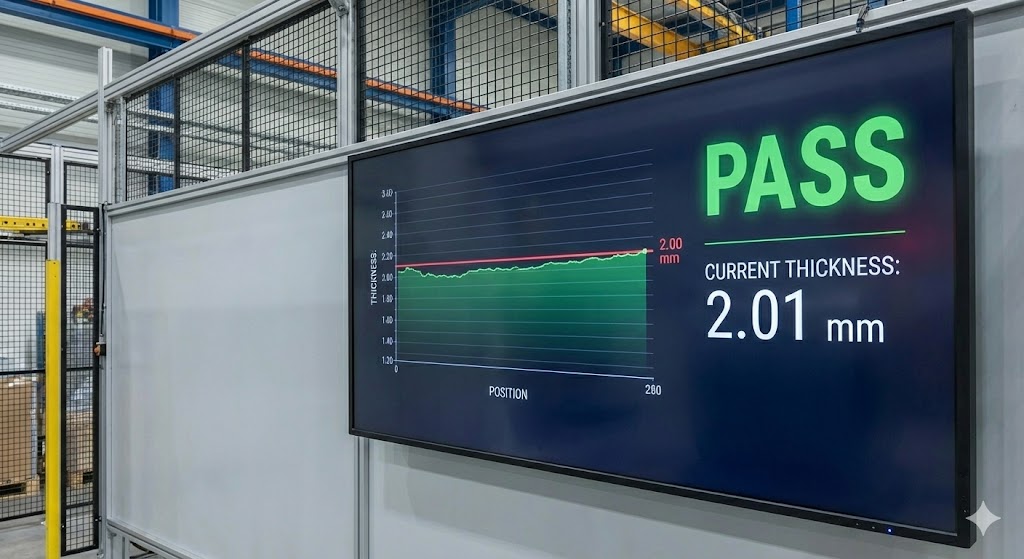
The choice of laser phase sensor depends heavily on the application's requirements for sensitivity, dynamic range, measurement speed, and environmental robustness. Interferometric sensors offer supreme accuracy in controlled labs. Heterodyne sensors excel in measuring dynamic phenomena. Phase-shifting techniques provide detailed static surface maps. Fiber-optic sensors enable measurements in harsh or remote environments. As laser and photonic technologies continue to advance, these sensors will become even more sensitive, compact, and integrated, driving innovation in scientific research and industrial automation.