In the realm of industrial automation, consumer electronics, and automotive systems, the proximity sensor stands as a critical component for non-contact detection. However, its performance, reliability, and longevity are profoundly influenced by a component often overlooked: the enclosure or housing. The proximity sensor enclosure is far more than a simple protective shell; it is a meticulously engineered interface between the sensitive internal electronics and the often harsh external environment.
The primary function of an enclosure is protection. Proximity sensors are deployed in diverse settings—from the clean, controlled confines of a semiconductor fab to the grimy, vibration-heavy environment of a steel mill. An effective enclosure must shield the sensor from physical impacts, abrasive dust, metallic swarf, and liquid ingress. The International Protection (IP) rating system, such as IP67 or IP69K, is a key specification here, defining the level of protection against solids and liquids. For wash-down applications in food processing, a stainless-steel enclosure with a high IP rating is indispensable to withstand high-pressure, high-temperature cleaning while resisting corrosion from chemicals.
Material selection is a cornerstone of enclosure design. Engineers must balance durability, sensor functionality, cost, and regulatory requirements. Plastics, like PBT (Polybutylene Terephthalate) or PPS (Polyphenylene Sulfide), are common for general-purpose inductive or capacitive sensors. They offer good chemical resistance, are electrically insulating, and can be molded into complex shapes. For sensing applications requiring a non-metallic face, such as detecting non-ferrous targets or where metal would interfere with the sensing field, specialized plastics or ceramics are used for the front "sensing face" of the enclosure.
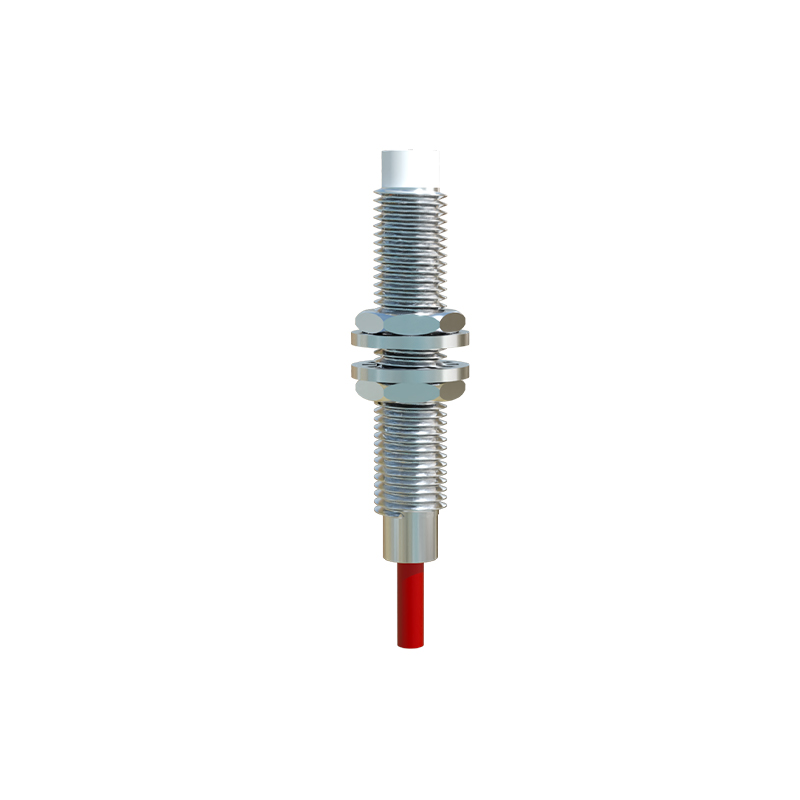
Metals, particularly nickel-plated brass or various grades of stainless steel (e.g., 303, 304, 316), are chosen for extreme durability, temperature tolerance, and mechanical strength. Stainless steel is paramount in corrosive environments or where hygiene is critical. A crucial design consideration with metal housings, especially for inductive sensors, is the "shielded" or "unshielded" design. A shielded enclosure has a metallic front that focuses the sensor's electromagnetic field radially in front, allowing for flush mounting in metal. An unshielded enclosure has a non-metallic front, providing a longer sensing range but requiring clearance around the sensor to prevent interference from the mounting material.
Beyond basic protection, the enclosure dictates the sensor's form factor and mounting capabilities. Cylindrical housings (e.g., M8, M12, M18, M30 threaded barrels) are industry standards, enabling easy installation into drilled holes with locknuts. Rectangular or block-style enclosures offer different mounting flexibility and sometimes allow for multiple sensing elements. The design must also facilitate proper sealing through integrated O-rings, gaskets, or potting compounds that fill the interior with epoxy to protect circuitry from moisture and vibration—a process known as "potting."
Thermal management is another hidden role. Electronic components generate heat, and some operating environments are extremely hot. The enclosure material must dissipate heat effectively to prevent sensor drift or failure. In high-temperature applications, materials like PEEK (Polyether Ether Ketone) plastic or specific stainless steels are employed.
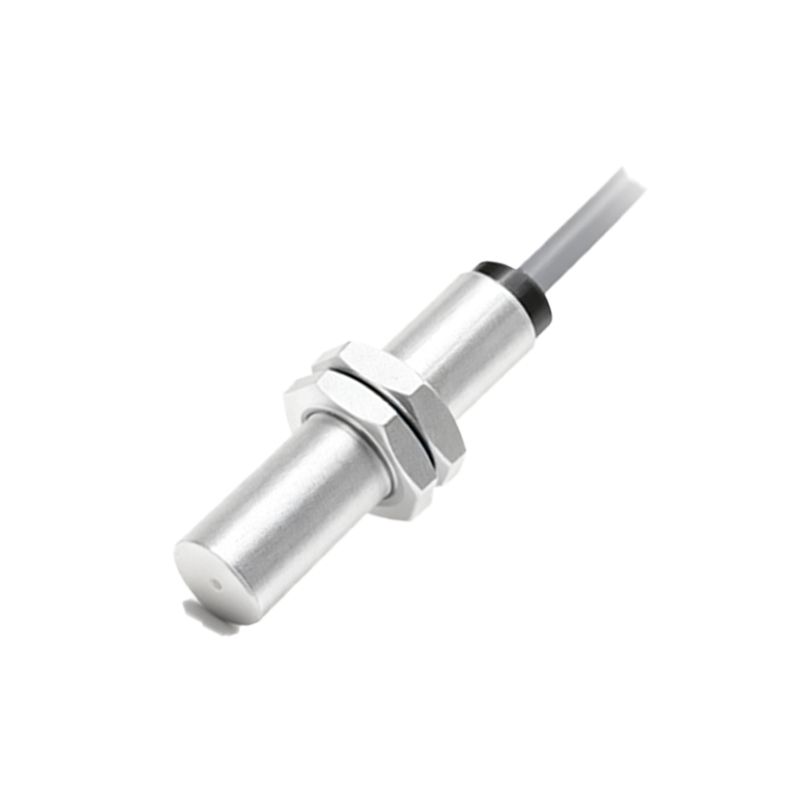
Furthermore, the enclosure ensures electromagnetic compatibility (EMC). It can act as a Faraday cage, shielding the internal circuitry from external electromagnetic interference (EMI) that could cause false triggering, and also preventing the sensor itself from emitting disruptive noise. This is critical in environments dense with motors, drives, and wireless equipment.
In summary, the proximity sensor enclosure is a sophisticated, multi-functional component. Its design integrates mechanical engineering, materials science, and electrical knowledge. Selecting the right enclosure—considering its IP rating, material, shielding type, mounting style, and thermal properties—is as vital as selecting the sensor technology itself. It is the robust, intelligent guardian that allows the precise, invisible eyes of automation to see reliably, day in and day out, in the real world.