In the realm of industrial automation, sensors act as the critical nervous system, providing the essential data that drives control, safety, and efficiency. Among the most prevalent and versatile types are photoelectric sensors and proximity sensors. While their end goal—detecting the presence, absence, or position of an object—is similar, their underlying principles of operation, capabilities, and ideal applications differ significantly. Understanding these differences is paramount for engineers and technicians tasked with selecting the right sensor for a specific job.
The Fundamentals of Photoelectric Sensing
Photoelectric sensors operate on a simple yet powerful principle: they use light to detect objects. A typical photoelectric sensor consists of an emitter (light source) and a receiver. The emitter projects a beam of light, often visible red, infrared, or laser. The receiver detects this light. An object's presence is determined by how it affects this light beam. There are three primary operating modes:
1. Through-Beam (Opposed Mode): This configuration uses separate, physically opposed units for the emitter and receiver. The object is detected when it breaks the light beam between them. This mode offers the longest sensing ranges and highest reliability, as it is less susceptible to environmental factors like object color or surface finish. It is ideal for precise detection over long distances or in challenging conditions.
2. Retroreflective Mode: Here, both emitter and receiver are housed in the same unit. The sensor projects light toward a dedicated reflector (a prismatic reflector that returns light directly to its source). The object is detected when it interrupts the beam between the sensor and the reflector. This mode simplifies wiring and alignment compared to through-beam but has a shorter range.
3. Diffuse (Proximity) Mode: In this common mode, the emitter and receiver are also in the same housing. The sensor detects light that is reflected directly off the target object itself. The detection range is influenced by the object's size, color, and surface texture (light, reflective surfaces are detected from farther away than dark, absorbent ones). This mode is highly versatile for close-range detection without a separate reflector.
Photoelectric sensors excel at detecting objects from a distance, even non-metallic ones like plastic, wood, glass, and liquids. They can handle very small objects and offer extremely fast response times. Common applications include object counting on conveyor belts, bottle detection in filling lines, level sensing in transparent containers, and break detection in packaging machinery.
The Core of Proximity Sensing
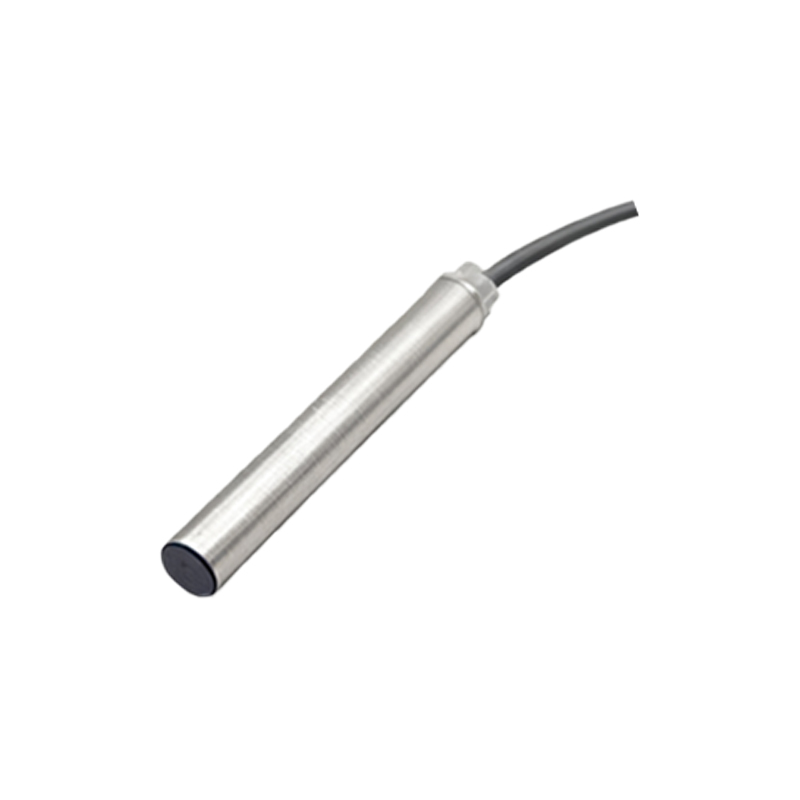
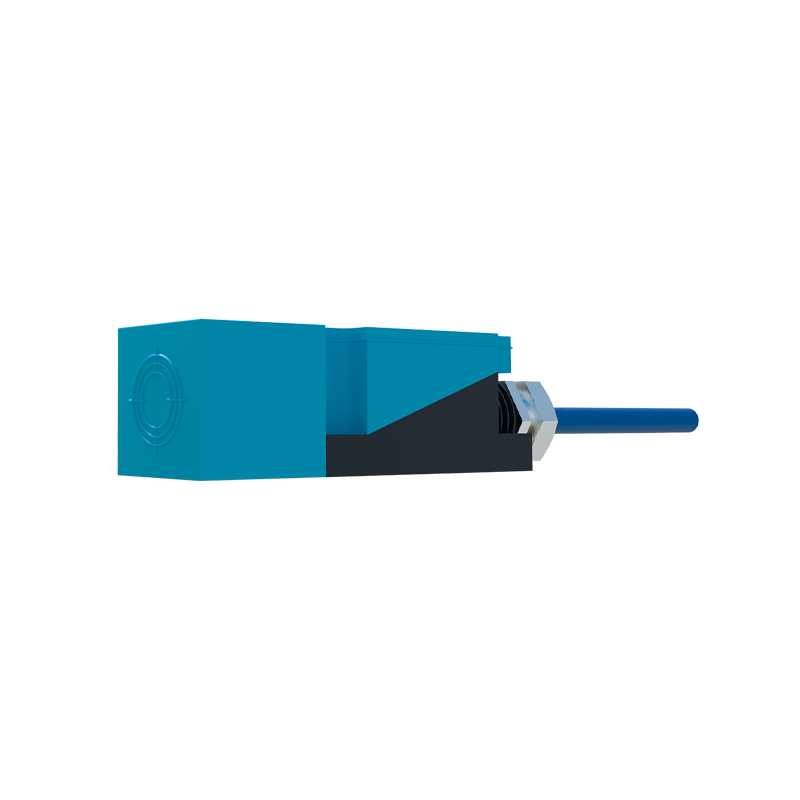
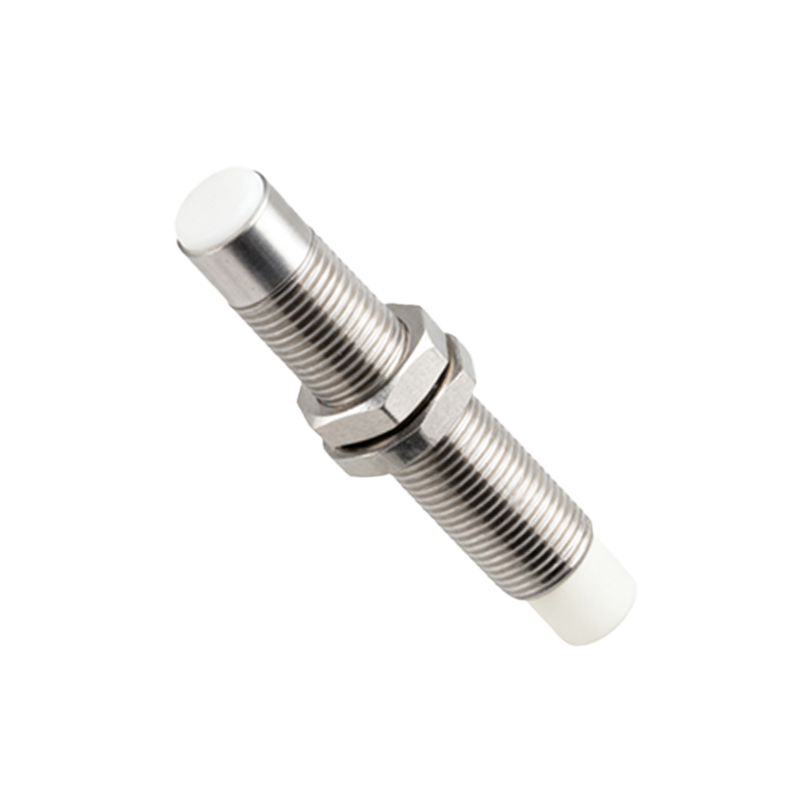
Proximity sensors, specifically inductive and capacitive types, detect objects without any physical contact by perturbing an electromagnetic field.
1. Inductive Proximity Sensors: These sensors generate an oscillating electromagnetic field from a coil in their face. When a metallic object (ferrous or non-ferrous) enters this field, it induces eddy currents within the metal, which dampens the oscillation of the sensor's circuit. This change triggers the sensor's output. Inductive sensors are robust, contactless, and unaffected by dust, oil, or non-metallic debris. They are the workhorse of metal detection in factories, used for tasks like detecting piston position, monitoring gear teeth, or confirming the presence of metal parts in assembly.
2. Capacitive Proximity Sensors: These sensors generate an electrostatic field. Any object—metal, plastic, wood, glass, powder, or liquid—that enters this field alters the capacitance of the sensor's circuit, triggering detection. This makes them incredibly versatile for detecting nearly any material. They are often used for level detection of liquids or granular solids in tanks, detecting non-metallic packaging, or sensing the presence of materials through thin non-metallic walls.
Proximity sensors are characterized by their short, fixed sensing ranges (typically millimeters to a few centimeters) and are largely immune to environmental factors like ambient light or color. Their operation is reliable and repeatable for close-range detection.
Choosing the Right Sensor: A Practical Comparison
The choice between a photoelectric and a proximity sensor hinges on several key application variables:
Target Material: For non-metals, liquids, or transparent objects, a photoelectric or capacitive sensor is necessary. For metals only, an inductive sensor is often the most robust and cost-effective choice.
Sensing Distance: For distances beyond 10 cm, photoelectric sensors (especially through-beam) are the only practical option. For very close-range detection (0-50 mm), proximity sensors are compact and reliable.
Environmental Conditions: Photoelectric sensors can be affected by dust, fog, steam, or ambient light interference, though models with modulated LED light and specialized housings mitigate this. Proximity sensors are generally impervious to these conditions but can be affected by adjacent metallic objects or strong electromagnetic fields