In the world of industrial automation and smart devices, proximity switch sensors are the silent, unseen heroes. They detect the presence or absence of an object without any physical contact, enabling countless processes to be faster, safer, and more reliable. Unlike mechanical limit switches that require touch, proximity sensors operate on various physical principles, primarily electromagnetic fields or light beams. This non-contact nature is their defining advantage, leading to virtually no wear and tear, high operational speed, and long service life.
The most common type is the inductive proximity sensor. It generates an oscillating electromagnetic field from its face. When a metallic object, typically ferrous metals like steel or iron, enters this field, it causes eddy currents on the metal's surface. This change is detected by the sensor's internal circuitry, which then triggers a solid-state output signal. Inductive sensors are workhorses in manufacturing, used for tasks like counting metal parts, detecting piston position in cylinders, or ensuring a machine door is closed. They are robust, resistant to dirt and moisture (with appropriate IP ratings), and generally unaffected by non-metallic materials like wood or plastic passing by.
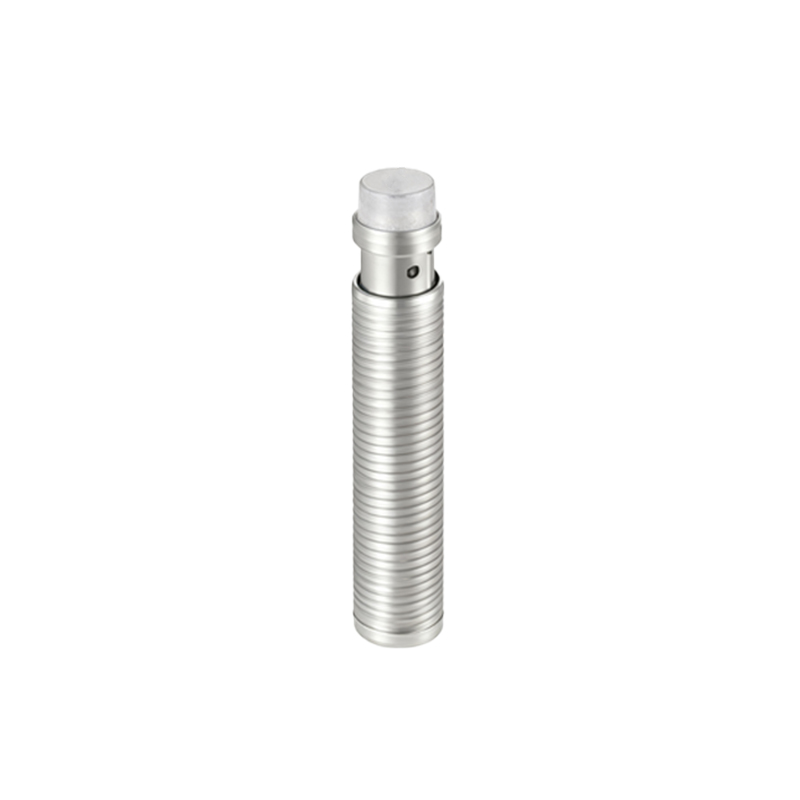
For detecting non-metallic objects, capacitive proximity sensors are the go-to choice. They function similarly but generate an electrostatic field. Any object, regardless of material—be it plastic, glass, wood, liquid, or even granular substances—that enters this field alters its capacitance. This change is measured, triggering the output. This makes them incredibly versatile for applications like liquid level detection in tanks, monitoring fill levels of plastic bottles, or detecting the presence of a person or hand. They can even sense through certain non-metallic container walls.
Another major category is the photoelectric proximity sensor. These operate by emitting a beam of light—visible red, infrared, or laser—and detecting its reflection. They are subdivided into three main modes. The through-beam type has a separate emitter and receiver; an object is detected when it breaks the beam. The retro-reflective type uses a single unit and a reflector; detection occurs when the beam to the reflector is interrupted. Finally, the diffuse or proximity mode detects an object by the light reflected directly from the object itself. Photoelectric sensors excel at long-range detection and can sense virtually any material, making them ideal for packaging, material handling, and conveyor systems.
Ultrasonic proximity sensors form a fourth key type. They emit high-frequency sound waves and measure the time it takes for the echo to return. By calculating this time-of-flight, they can determine not just presence but also distance. This makes them perfect for applications requiring precise distance measurement or level sensing of difficult materials like transparent films, clear glass, or bulk solids, where photoelectric sensors might struggle.

Selecting the right proximity sensor requires careful consideration of several factors. First, identify the target material: metal, plastic, liquid, etc. This will point you toward inductive, capacitive, or other types. Next, consider the required sensing distance or range, noting that a sensor's rated operating distance is typically specified for a standard target. The operating environment is critical—factors like temperature extremes, washdown conditions, exposure to oils or chemicals, and potential electrical interference will dictate the needed housing material and ingress protection (IP) rating. Finally, the electrical output must match your control system, whether it's a simple two-wire AC/DC, three-wire NPN/PNN transistor, or analog output for distance information.
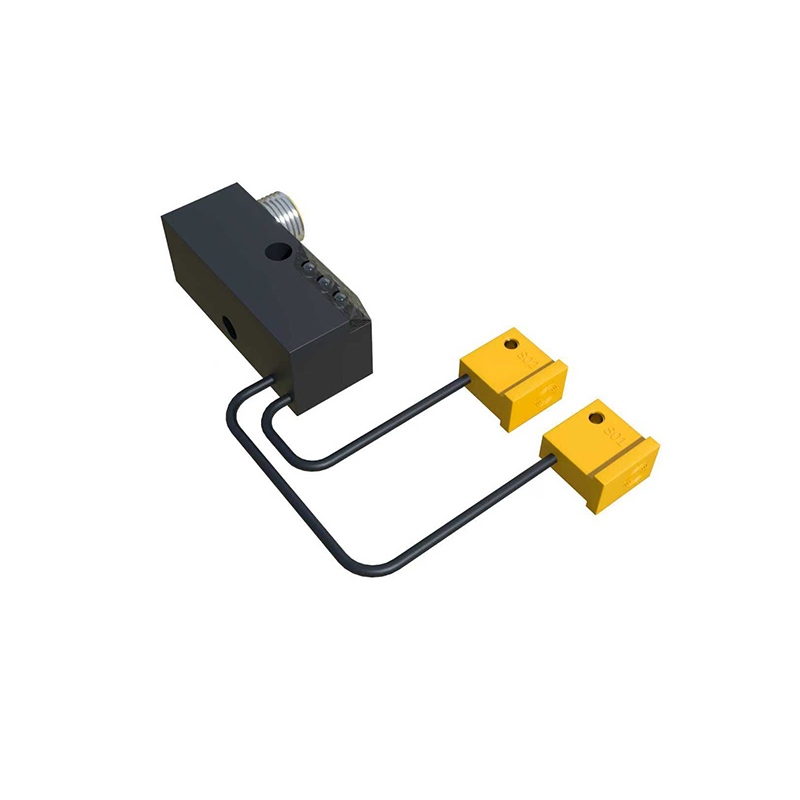
Installation and wiring are straightforward but must follow manufacturer guidelines. Proper mounting, ensuring the correct target approaches the sensor's active face, and avoiding mutual interference between multiple sensors are key to reliable operation. Regular maintenance is minimal but should include cleaning the sensing face to remove debris that could affect performance, especially for optical and capacitive types.
From the assembly lines of automotive plants to the delicate mechanisms of consumer electronics, proximity switch sensors provide the essential "eyes" for automated systems. Their ability to deliver precise, contactless feedback makes them indispensable for improving efficiency, ensuring safety by monitoring guard positions, and enabling sophisticated control logic. As technology advances, sensors are becoming smarter, smaller, and more integrated with industrial networks like IO-Link, providing not just a simple on/off signal but diagnostic data for predictive maintenance. Understanding their principles and applications is fundamental for anyone involved in designing, maintaining, or optimizing modern automated processes.