In the rapidly evolving landscape of industrial automation and smart systems, wireless proximity switch sensors have emerged as a transformative technology. These devices detect the presence or absence of an object within a specific range without any physical contact, and they do so without the constraints of wired connections. This fundamental shift from traditional wired sensors is driving efficiency, flexibility, and innovation across countless applications.
The core principle of a wireless proximity sensor remains similar to its wired counterpart: it emits an electromagnetic field or a beam of radiation and looks for changes in the field or return signal. The most common types include inductive sensors for detecting metallic objects, capacitive sensors for non-metallic materials, and photoelectric sensors using light beams. The revolutionary difference lies in the integration of wireless communication modules, such as Bluetooth Low Energy (BLE), Zigbee, Wi-Fi, or proprietary industrial protocols. These modules transmit the detection data to a central control system, gateway, or cloud platform.
The advantages of adopting wireless proximity sensors are substantial. First and foremost is the drastic reduction in installation time and cost. Eliminating complex wiring runs, conduits, and cable trays simplifies setup, especially in expansive facilities or hard-to-reach areas. This also translates to enhanced flexibility; sensors can be easily repositioned or added to adapt to changing production lines or layouts without major infrastructural changes. Maintenance becomes more straightforward as there are fewer physical connections to fail, and diagnostic data can often be transmitted remotely.
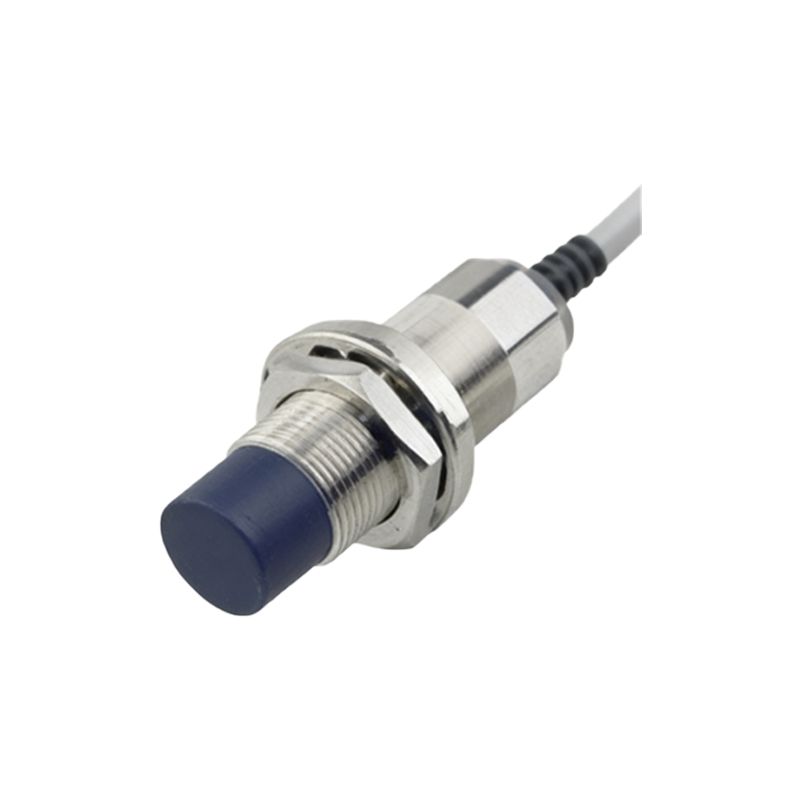
Furthermore, wireless sensors enable applications previously deemed impractical. In rotating machinery, such as crane wheels or conveyor rollers, wireless sensors eliminate the problem of tangled or worn cables. They are ideal for mobile equipment and autonomous guided vehicles (AGVs), providing seamless communication as they move. In hygienic environments like food and pharmaceutical production, fewer cables mean fewer crevices where contaminants can accumulate, simplifying cleaning protocols.
Safety systems also benefit immensely. Emergency stop buttons and safety interlocks can be deployed wirelessly, creating safer work zones around robots or heavy machinery without trenching for wires. Temporary safety perimeters for maintenance can be set up quickly and efficiently.
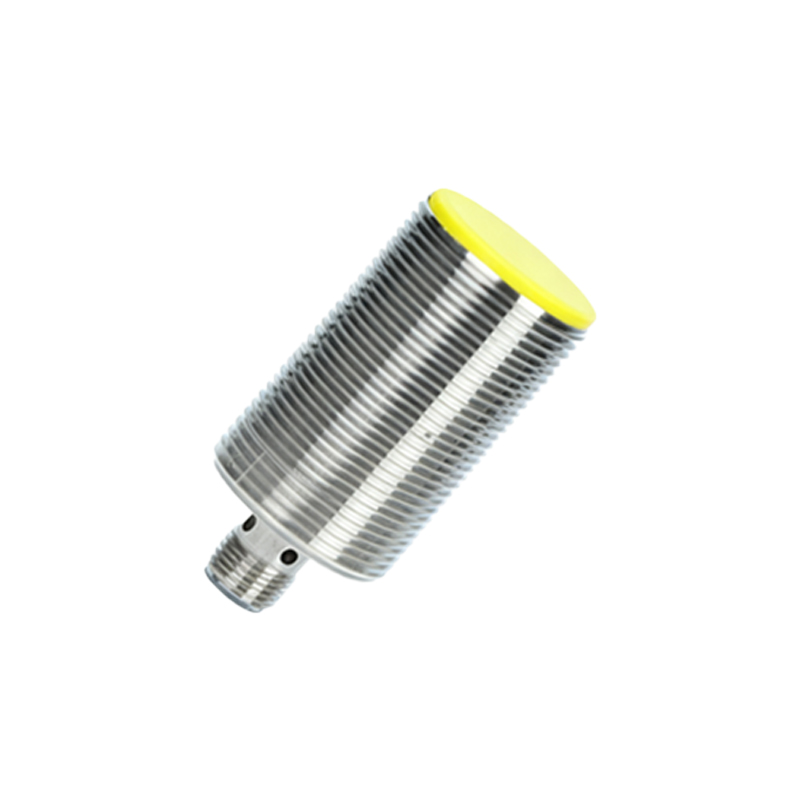
However, the implementation of wireless technology is not without considerations. Power management is a critical challenge. While energy harvesting techniques (using vibration, light, or temperature differences) are advancing, most wireless sensors currently rely on batteries. Selecting sensors with long battery life and efficient sleep modes is crucial for operational continuity. Network reliability and security are paramount. In dense industrial environments with significant metal interference, robust protocols with strong signal integrity and encryption are necessary to prevent data loss or unauthorized access. Latency, though minimal in modern systems, must be acceptable for the specific application, particularly in high-speed or safety-critical processes.
The future of wireless proximity sensing is intertwined with the Industrial Internet of Things (IIoT). These sensors are becoming intelligent data points, not just simple switches. They can transmit not only "on/off" status but also diagnostic information like signal strength, battery level, and temperature. When integrated with cloud analytics, this data enables predictive maintenance, real-time process optimization, and deeper insights into operational efficiency.
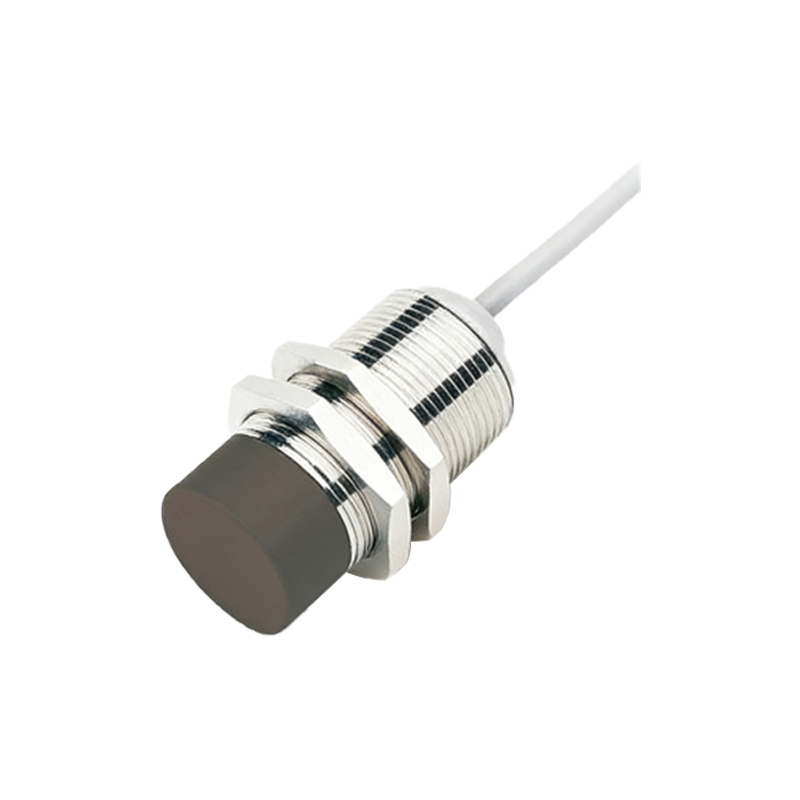
From assembly lines and packaging systems to smart buildings and agricultural automation, wireless proximity switch sensors are breaking down physical and logistical barriers. They represent a key step towards more agile, data-driven, and cost-effective operations. As wireless protocols become more robust, power solutions more sustainable, and costs continue to decrease, their adoption will undoubtedly become the standard, paving the way for truly wireless and intelligent industrial ecosystems.