In the world of industrial automation, robotics, and smart systems, the ability to detect the presence or absence of an object without physical contact is fundamental. This capability becomes exponentially more critical when operations occur in challenging conditions where moisture, dust, chemicals, or extreme temperatures are present. This is where the waterproof proximity sensor transitions from a useful component to an indispensable piece of technology. Unlike standard sensors that would falter or fail, waterproof variants are engineered to deliver reliable, consistent performance where it matters most.
The core principle of a proximity sensor remains unchanged: it emits an electromagnetic field or a beam of electromagnetic radiation and looks for changes in the field or return signal to detect a target. Common technologies include inductive sensors for metals, capacitive sensors for both metallic and non-metallic materials, and ultrasonic sensors for distance measurement. The "waterproof" designation refers to the robust housing and sealing that protects these sensitive internal electronics from environmental ingress. This protection is standardized by the Ingress Protection (IP) rating system. For true waterproof capability, especially for use in washdown environments, submerged applications, or outdoors, ratings of IP67, IP68, and IP69K are typical. An IP67 sensor can withstand temporary immersion in water, while IP68 guarantees protection during prolonged immersion under specified pressure. IP69K signifies protection against high-pressure, high-temperature water jets, making it ideal for food processing and chemical industries where aggressive cleaning is routine.
The applications for waterproof proximity sensors are vast and varied. In automotive manufacturing, they are used on robotic welding arms and assembly lines where coolant mist is prevalent. In the food and beverage industry, sensors with high IP ratings are mandatory on packaging and bottling lines that undergo frequent, rigorous sanitation with caustic cleaners and high-pressure hoses. Agricultural machinery relies on them to monitor equipment positions and detect material levels in grain silos, exposed to rain and dust. Marine and offshore applications use submersible sensors for level detection in tanks and bilges. Even in modern consumer appliances like dishwashers and smart faucets, miniature waterproof proximity sensors enable touchless control, enhancing hygiene and convenience.
Selecting the right waterproof proximity sensor requires careful consideration beyond just the IP rating. The sensing technology must match the target material. For instance, an inductive sensor will not detect plastic bottles on a conveyor, whereas a capacitive sensor would. The sensing range, response frequency, output type (e.g., NPN, PNP, analog), and electrical connection (pre-wired or quick-disconnect) must align with the control system's requirements. The housing material is also crucial; stainless steel housings, particularly models made from V4A (AISI 316L) stainless steel, offer superior resistance to corrosive chemicals and saltwater compared to standard nickel-plated brass or plastic.
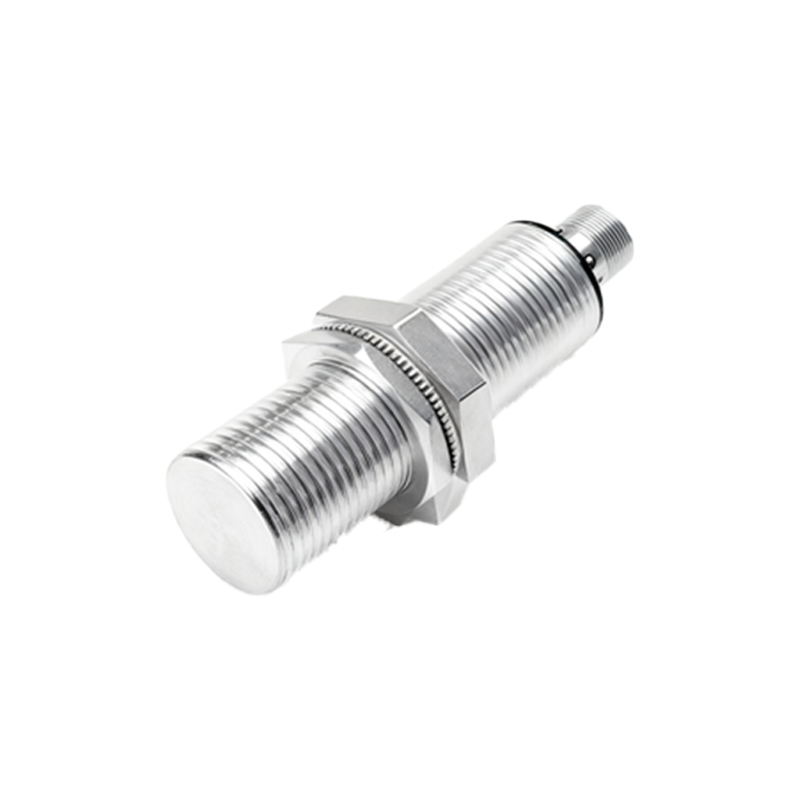
Installation and maintenance, while simplified by the rugged design, are not without need for attention. Proper mounting is essential to avoid false triggers from the mounting bracket itself or adjacent machinery. Even with a high IP rating, ensuring that the cable gland or connector is properly sealed is critical to maintaining the integrity of the protection. Regular checks for physical damage, buildup of debris on the sensing face, and verification of signal integrity are part of a proactive maintenance schedule that prevents unplanned downtime.
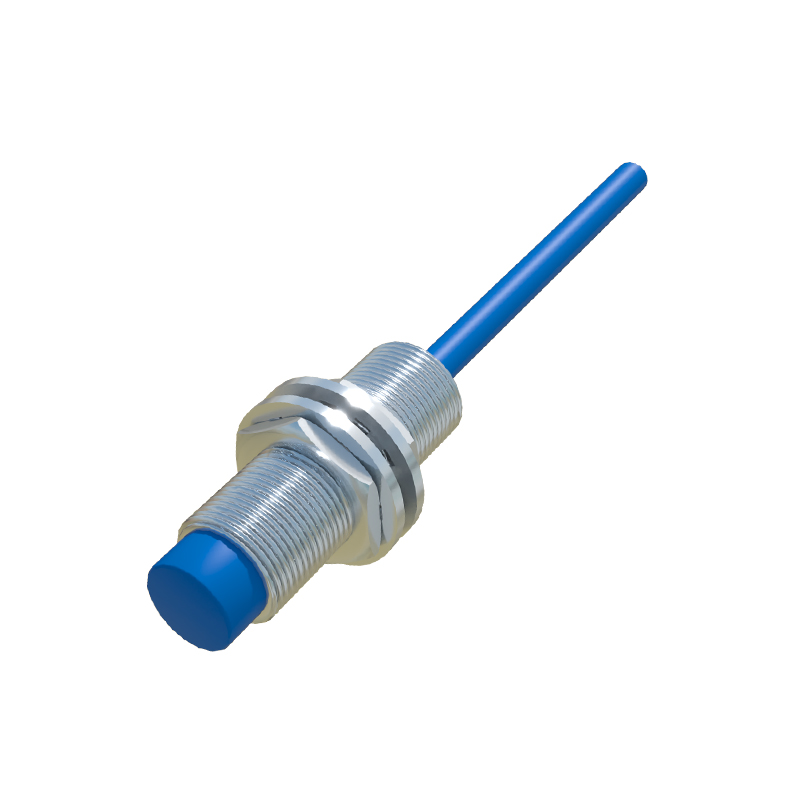
The evolution of these sensors continues, driven by Industry 4.0 and the Internet of Things (IoT). Modern waterproof proximity sensors increasingly feature IO-Link capability, a point-to-point serial communication protocol. This transforms a simple binary switch into an intelligent device that can communicate detailed diagnostic data—such as operating temperature, signal strength, and remaining lifespan—back to the controller. This predictive maintenance data allows engineers to address issues before a sensor fails, maximizing operational efficiency and productivity in environments where reliability is non-negotiable.

In conclusion, the waterproof proximity sensor is a cornerstone of modern industrial and commercial automation. It provides the essential eyes and touch for machinery in environments that are inhospitable to standard electronics. By ensuring precise, non-contact detection amidst water, steam, dust, and corrosion, these robust devices enable automation to proceed safely, efficiently, and reliably. Their continued advancement, particularly through digital communication features, ensures they will remain vital in building more resilient, connected, and intelligent systems for the future.