In the world of industrial automation, machinery safety, and smart systems, the reliable detection of metallic objects is a fundamental requirement. This is where the synergy between proximity sensors and metal targets becomes critical. Proximity sensors are non-contact electronic devices designed to detect the presence or absence of an object within a specific range without physical contact. When the target object is metallic, these sensors operate with high precision and reliability, forming the backbone of countless modern applications.
The core principle behind metal detection using proximity sensors is electromagnetic induction, primarily utilized by inductive proximity sensors. These sensors contain a coil at their tip that is energized with an alternating current, generating an oscillating electromagnetic field. When a metallic object enters this field, eddy currents are induced on the surface of the metal. These eddy currents draw energy from the sensor's coil, which in turn dampens or alters the oscillation. The sensor's internal circuitry detects this change and triggers a solid-state output switch, signaling the presence of the metal target. Different metals affect the sensor differently; ferrous metals like iron and steel typically have a longer detection range due to their magnetic permeability, while non-ferrous metals like aluminum, copper, or brass have a shorter range but are still readily detectable.
The advantages of using proximity sensors for metal detection are numerous. Their non-contact nature eliminates mechanical wear and tear, ensuring a long operational life. They offer high switching frequencies, allowing for the detection of very fast-moving parts on assembly lines. They are robust, often housed in metal or rugged plastic bodies, making them resistant to vibration, moisture, oils, and dust—common challenges in industrial environments. Furthermore, they provide consistent and repeatable detection, which is essential for quality control and process accuracy.
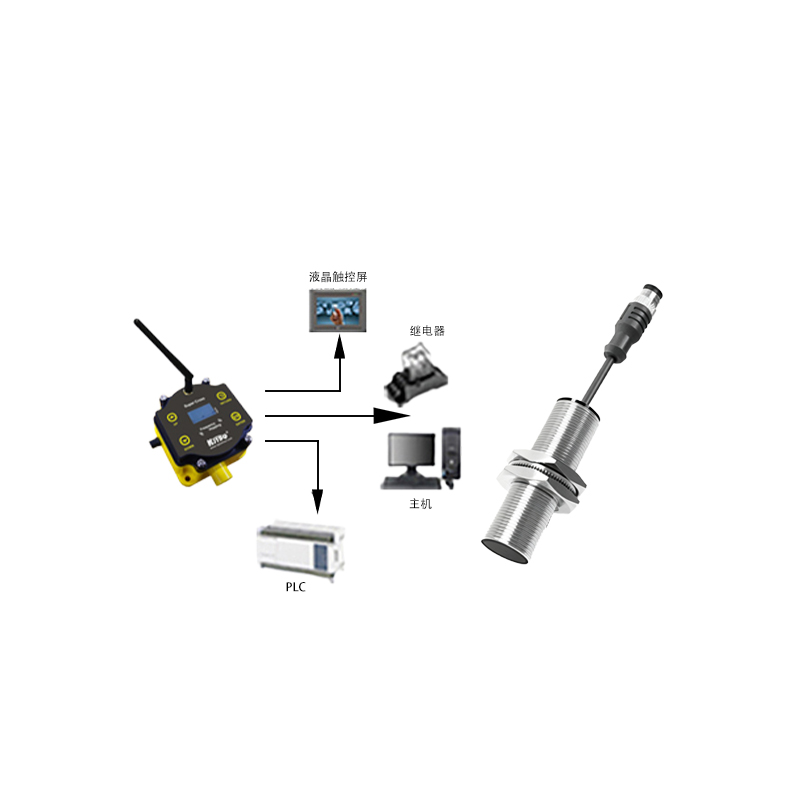
The applications are vast and span across industries. In manufacturing and automotive assembly, these sensors count metal parts, verify the presence of components, and control robotic arms for picking and placing. In material handling and packaging, they detect the position of metal containers or pallets on conveyor belts. They serve as safety interlocks on machine guards, ensuring a door is closed before a press or cutter is activated. In the elevator industry, they detect the floor position by sensing metal plates. Even in everyday consumer electronics, miniature versions are used to detect when a laptop lid is closed or a smartphone flip cover is in place.
Selecting the right proximity sensor for a metal-detection task requires careful consideration of several factors. The first is the sensing distance or range, which must account for the installation setup and the specific metal type. Sensor datasheets usually specify the nominal range for mild steel; a correction factor must be applied for other metals. The second is the sensor's housing style (cylindrical, rectangular, ring-shaped) and size, which must fit the mechanical constraints. Environmental conditions are crucial; sensors are rated with an Ingress Protection (IP) code for dust and water resistance. Output type is another key decision; sensors can provide digital (PNP/NPN) or analog (4-20mA, 0-10V) signals to interface with Programmable Logic Controllers (PLCs) or other control systems. Finally, factors like temperature rating, shielding (to prevent side-detection of adjacent metal), and connection type (pre-wired or quick-disconnect) play a role in ensuring reliable operation.

Installation and maintenance are straightforward but vital. Sensors should be mounted securely to prevent misalignment. It is important to maintain the recommended clearance from surrounding metal structures to avoid false triggering. Regular cleaning of the sensing face to remove debris and periodic functional checks are usually sufficient to maintain performance over years of service.
In conclusion, the combination of proximity sensor technology and metal targets represents a mature, reliable, and indispensable solution for object detection. From ensuring the smooth flow of high-speed production to guaranteeing operator safety, these silent sentinels work continuously. Understanding their operating principles, benefits, and selection criteria empowers engineers and technicians to implement effective and durable automation solutions, driving efficiency and innovation across the technological landscape.