Laser sensors represent a pivotal technology in modern industrial automation and precision measurement. Fundamentally, a laser sensor is a type of photoelectric sensor that utilizes laser light to detect, measure, or profile objects. It operates by emitting a focused beam of coherent light—typically from a laser diode—towards a target. The sensor then analyzes the properties of the reflected or scattered light, such as its intensity, phase, or time-of-flight, to derive critical information about the target's presence, distance, dimensions, or surface characteristics.
The core principle behind most laser sensors is triangulation or time-of-flight measurement. In triangulation sensors, a laser beam is projected onto the target surface. The reflected light is focused onto a position-sensitive detector (like a CCD or PSD). The position of the light spot on this detector shifts depending on the target's distance, allowing for highly accurate distance or displacement measurements. Time-of-flight sensors, on the other hand, calculate distance by measuring the time it takes for a laser pulse to travel to the target and back. This method is ideal for longer ranges.
Several key types of laser sensors dominate industrial applications. Laser distance sensors and displacement sensors are ubiquitous, providing non-contact measurements for quality control, positioning, and thickness gauging. Laser profile sensors, or line lasers, project a line onto an object and use a camera to capture the deformation of that line, enabling precise 2D or 3D contour and shape inspection. Furthermore, laser contrast sensors excel at detecting marks, colors, or subtle surface differences, while laser barrier sensors create a curtain of light for presence detection in safety or counting applications.

The advantages of laser sensors are manifold. Their high precision, often in the micron or even sub-micron range, is unparalleled for many tasks. The focused, coherent nature of laser light allows for excellent resolution and the ability to measure small spots or edges. They offer fast response times, suitable for high-speed production lines. Being non-contact, they prevent damage to both the sensor and delicate target objects. Additionally, many laser sensors are largely immune to ambient light interference and can perform reliably in challenging environments.
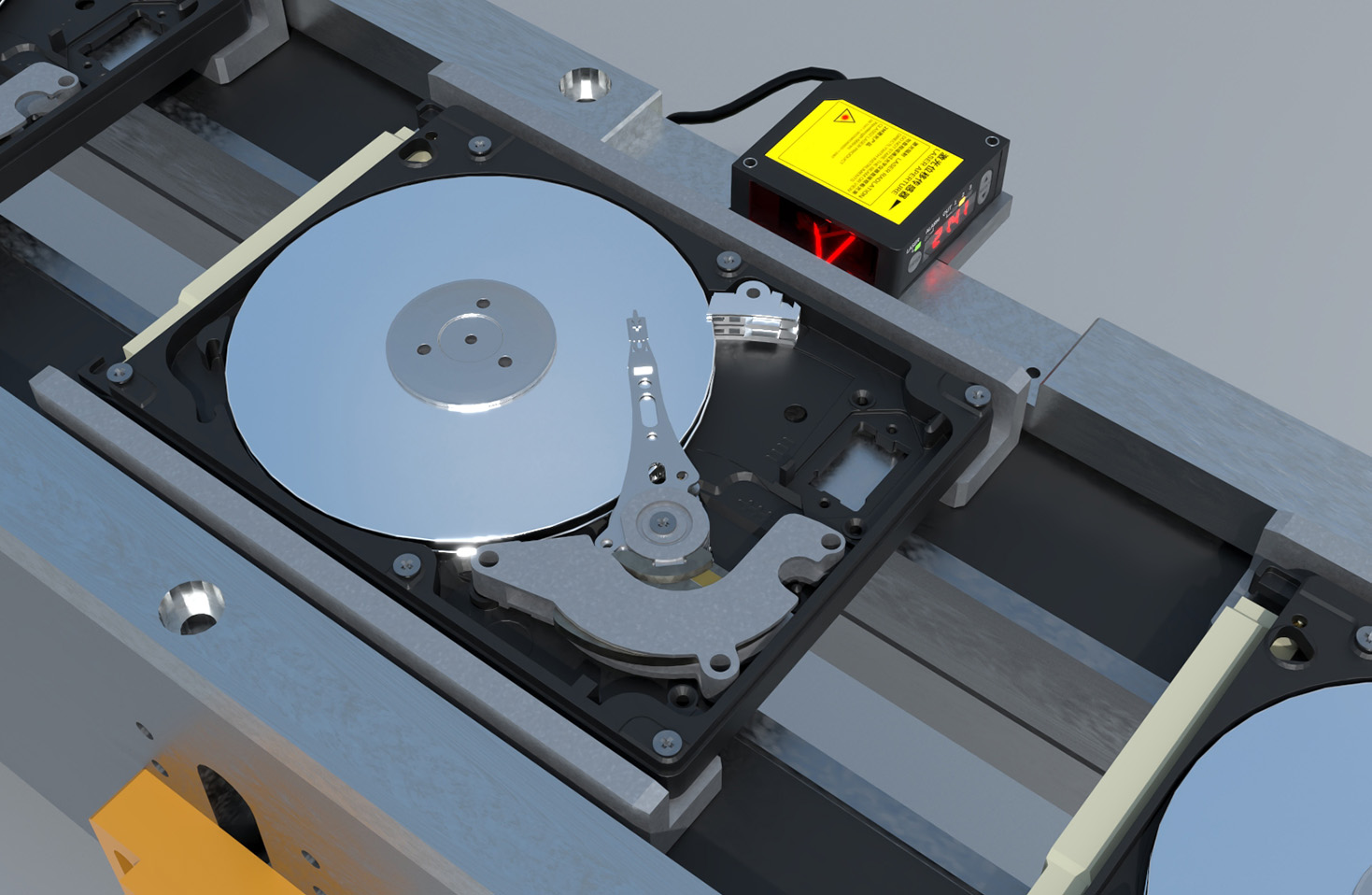
In practical industrial settings, laser sensors are indispensable. In automotive manufacturing, they measure body panel gaps and inspect weld seams. In electronics, they verify component placement height on PCBs. In logistics, they measure package dimensions for volumetric weighing. In metal processing, they monitor material thickness and flatness. Their role in robotics for precise guidance and object recognition is also rapidly expanding.
When selecting a laser sensor, engineers must consider several parameters: measurement range, resolution, accuracy, spot size, response time, and the target material's properties (color, reflectivity, surface texture). Environmental factors like temperature, dust, and vibrations also influence sensor choice and may necessitate protective housings.

Looking ahead, advancements in laser diode technology, smarter integrated electronics, and the fusion of laser sensing data with AI for predictive analytics are driving the evolution of these devices. They are becoming smaller, more robust, and more intelligent, solidifying their status as a cornerstone sensor technology for Industry 4.0 and smart factory initiatives. Their ability to deliver exact, reliable data is crucial for enhancing automation, ensuring quality, and optimizing industrial processes.