In the realm of industrial automation and electronic design, infrared (IR) proximity sensors have established themselves as indispensable components. These devices operate by emitting infrared light and detecting its reflection from nearby objects, enabling non-contact detection of presence, distance, or motion. Their utility spans a vast array of applications due to advantages like immunity to ambient audible noise, reliable performance in various lighting conditions (though direct sunlight can interfere), and the ability to detect non-metallic objects. For electrical engineers and system integrators, understanding the optimal deployment scenarios for these sensors is crucial for designing efficient, robust, and intelligent systems.
One of the most prevalent and critical application areas is Industrial Automation and Robotics. On automated assembly lines, IR proximity sensors are deployed for precise object detection, part counting, and verifying the correct positioning of components. They act as limit switches to prevent robotic arms from over-traveling, ensuring operational safety and protecting expensive machinery. In material handling systems, such as conveyor belts, these sensors detect the presence of packages, triggering sorting mechanisms or controlling the belt's start/stop functions. Their fast response time and reliability are key to maintaining high throughput and minimizing downtime.
The Consumer Electronics sector heavily relies on miniaturized IR proximity sensors to enhance user experience and conserve power. A ubiquitous example is in smartphones and tablets, where a sensor detects when the device is held close to the user's ear during a call. This triggers the screen to turn off, preventing accidental touch inputs and saving battery life. Similarly, in smart speakers and televisions, these sensors can enable gesture control or presence detection to wake the device from sleep mode. Automatic faucets, soap dispensers, and hand dryers in public restrooms also utilize IR sensors for hygienic, touch-free operation.
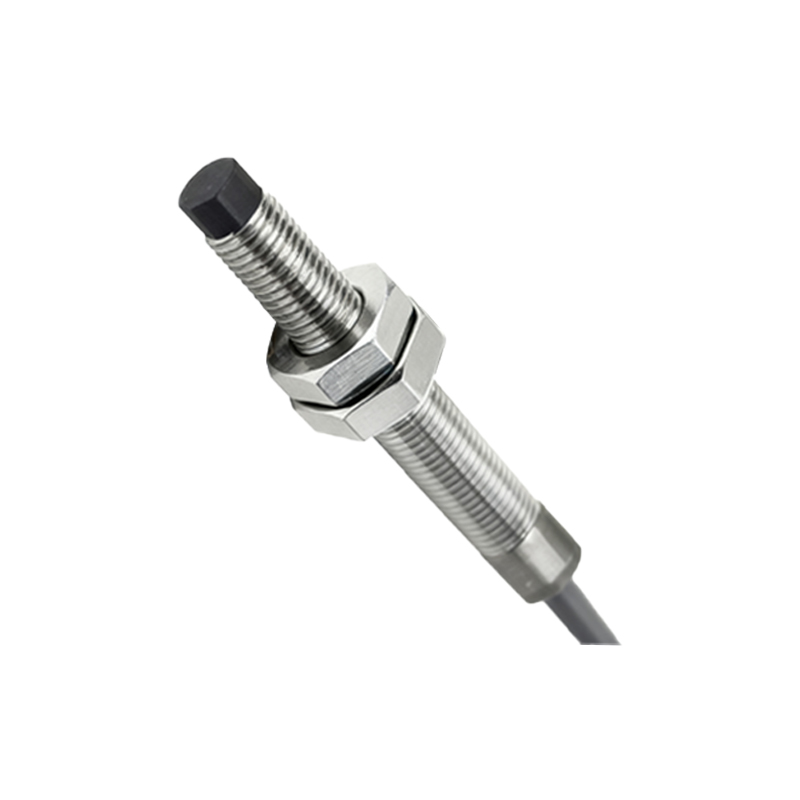
Security and Surveillance Systems form another major domain. IR sensors are integral to passive infrared (PIR) motion detectors used in burglar alarms and lighting control. They detect the heat signature (infrared radiation) emitted by moving humans or animals, triggering an alarm or activating lights. While PIR sensors are receivers rather than active emitter-detector pairs, the underlying IR technology is fundamental. Active IR beams are also used in perimeter security systems, where an interruption of the invisible beam signals an intrusion attempt.
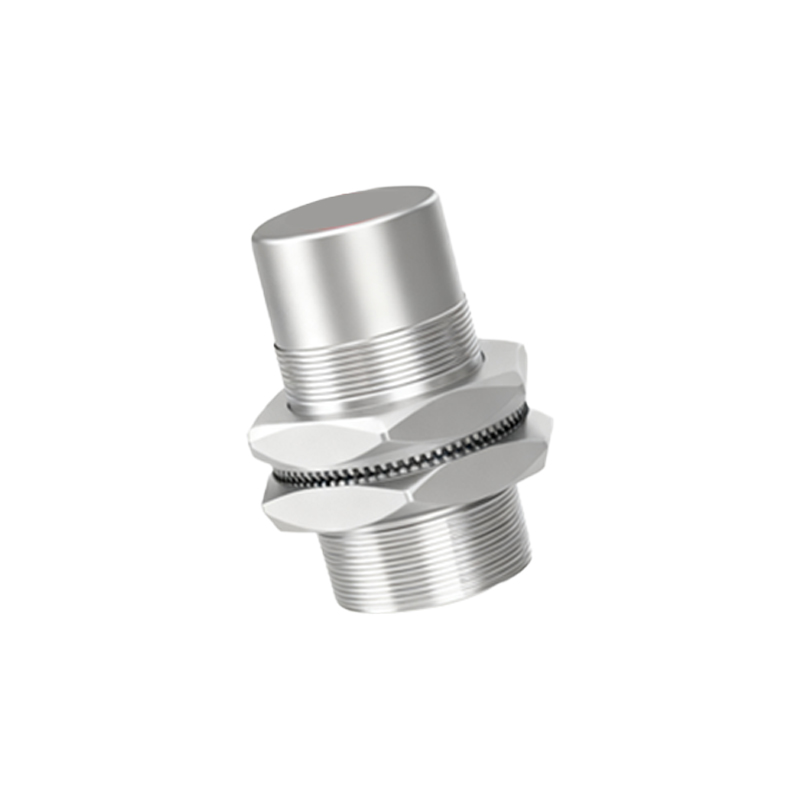
Automotive Electronics incorporates IR proximity sensors for both safety and convenience features. They are used in automatic door systems for vehicles like buses to prevent closing when an obstacle is detected. Some advanced driver-assistance systems (ADAS) employ IR sensors for blind-spot monitoring or as part of night vision systems to detect pedestrians or animals beyond the reach of headlights. Interior cabin systems may use them to monitor occupant presence for airbag deployment logic or to detect gestures for infotainment control.
In Home and Building Automation, these sensors contribute to energy efficiency and smart functionality. They are embedded in smart thermostats to detect room occupancy, adjusting the temperature to an energy-saving mode when no one is present. Automatic doors at building entrances, elevator door safety edges, and lighting systems in corridors or closets that activate upon detecting movement all commonly use IR proximity sensing. This "hands-free" automation enhances accessibility and reduces energy waste.
Furthermore, specialized applications exist in Medical Equipment and Printing/Office Machinery. In medical devices, IR sensors can be used for fluid level detection in IV drips or for ensuring proper positioning of samples in analyzers, all without physical contact that could risk contamination. In printers and copiers, they detect paper jams, monitor paper tray levels, and ensure proper alignment of sheets.
When selecting and installing an IR proximity sensor, engineers must consider several factors. The sensing range must match the application, from a few centimeters for touchless switches to several meters for presence detection. The output type (digital on/off or analog distance-proportional) dictates its interface with controllers like PLCs or microcontrollers. Environmental conditions such as dust, fog, or highly reflective backgrounds can affect performance, sometimes necessitating sensors with modulated IR beams to filter out ambient IR noise. Proper alignment and mounting are critical to avoid crosstalk between multiple sensors or false triggers.
In conclusion, infrared proximity sensors are versatile workhorses found wherever reliable, non-contact detection is required. From the factory floor to the smartphone in your pocket, from enhancing vehicle safety to making buildings smarter, their applications are virtually limitless. For the electrical engineer, a deep understanding of their operating principles, key specifications, and ideal use cases is essential for innovating and optimizing modern electronic and automated systems. The continued evolution of IR technology, including developments in multi-pixel IR arrays and integration with IoT platforms, promises to unlock even more sophisticated applications in the years to come.