In the realm of industrial automation, the ability to detect the presence, absence, or position of an object without physical contact is paramount. This is where proximity sensors, and specifically Vishniemann proximity sensors, have established themselves as critical components for enhancing efficiency, safety, and system reliability. These non-contact sensing devices operate on various principles, primarily inductive, capacitive, and magnetic, to deliver precise and consistent performance in demanding environments.
Vishniemann proximity sensors are engineered for robustness and longevity. The inductive variants, for instance, are ideal for detecting metallic objects. They generate an electromagnetic field and react to eddy current losses induced in a target. Key specifications such as sensing distance, switching frequency, and housing material are meticulously calibrated. Typical sensing ranges vary from a few millimeters to several tens of millimeters, catering to diverse application needs from precise positioning to general object detection. The housing is often constructed from nickel-plated brass or stainless steel, providing exceptional resistance to mechanical stress, cutting fluids, and coolants commonly found in machining and assembly lines.
The capacitive proximity sensors from Vishniemann extend detection capabilities to non-metallic materials like plastics, wood, glass, and liquids. This is achieved by measuring changes in capacitance within the sensor's electrostatic field. These sensors are invaluable in packaging, food and beverage, and pharmaceutical industries where material variety is high. They can detect levels through container walls, making them perfect for liquid level control and bulk material monitoring.
A significant advantage of the Vishniemann product line is its design philosophy focused on minimizing downtime. Features like short-circuit protection, reverse polarity protection, and immunity to electrical noise are standard. Many models also incorporate LED status indicators for quick diagnostics, allowing maintenance personnel to swiftly identify operational status or potential issues. This proactive approach to design translates directly into reduced maintenance costs and increased overall equipment effectiveness (OEE).
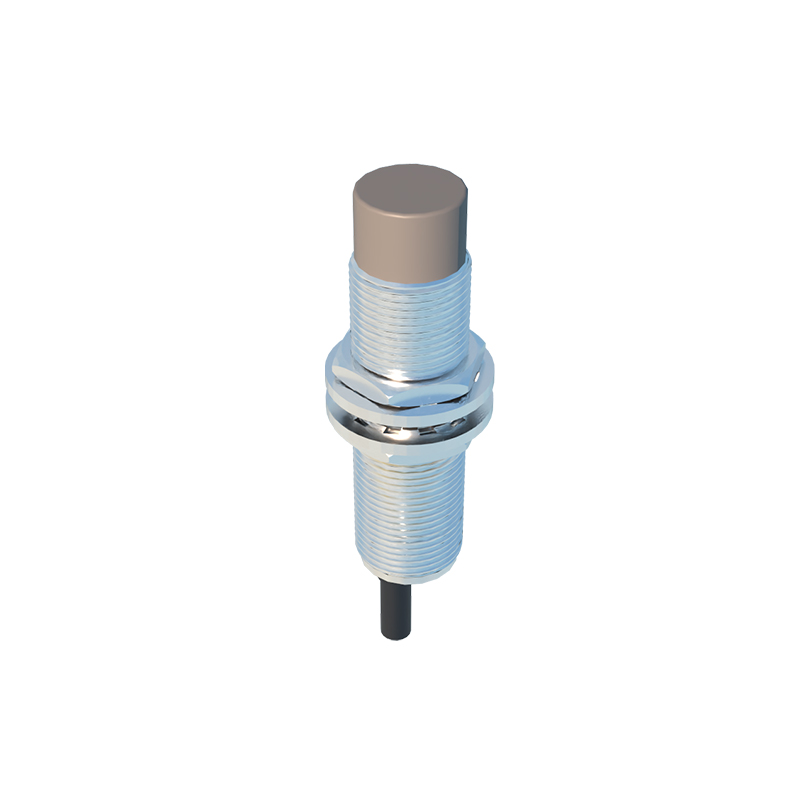
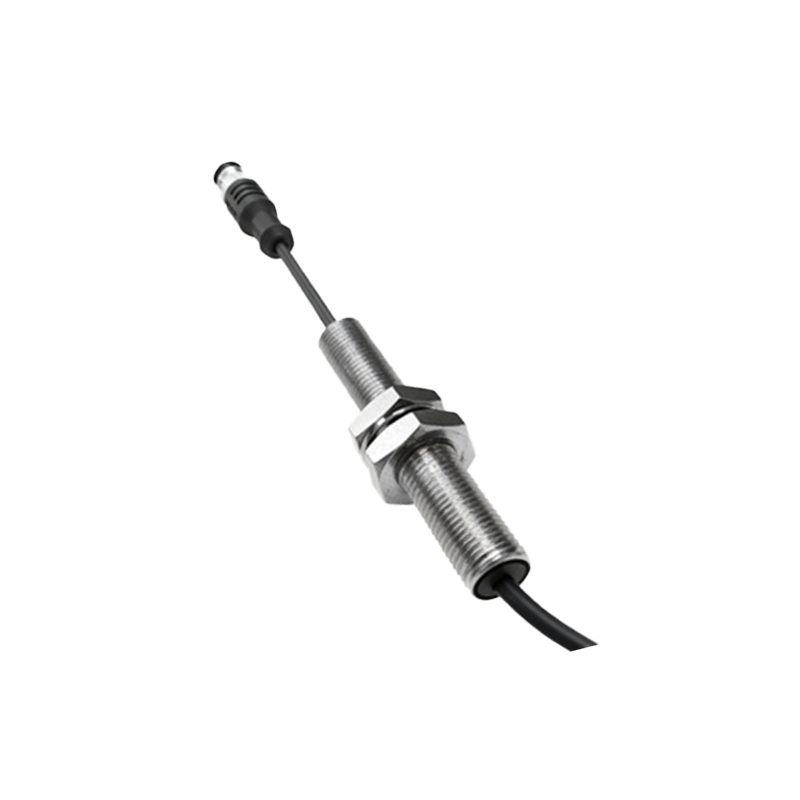
Installation and integration are streamlined for user convenience. The sensors are available in diverse form factors—tubular, rectangular, and slot-style—to fit various mounting constraints. Connection options include pre-wired cables or quick-disconnect connectors, facilitating easy replacement and system upgrades. Compatibility with standard programmable logic controllers (PLCs) and industrial networks is assured, ensuring seamless communication within a broader control architecture.
Application scenarios for Vishniemann proximity sensors are vast. In automotive manufacturing, they ensure robotic arms accurately pick and place components. On conveyor systems, they count products and control sorting gates. In metalworking, they confirm the position of a drill or the presence of a workpiece before a machining cycle begins, preventing costly collisions. Their hermetically sealed designs allow reliable operation in washdown areas common in food processing.
Looking forward, the integration of IO-Link communication in newer Vishniemann sensor models represents a leap toward Industry 4.0. This smart sensor technology enables parameter setting, real-time process data monitoring, and advanced condition monitoring directly from the control room. Predictive maintenance becomes a reality, as sensors can report not just a switch state but also data on operating temperature, signal strength, and more, allowing potential failures to be addressed before they cause unplanned stoppages.
In conclusion, Vishniemann proximity sensors embody a blend of precision engineering and practical innovation. Their consistent performance under harsh conditions, coupled with advanced features for smart manufacturing, makes them a trusted choice for engineers and system integrators worldwide. By providing reliable, non-contact detection, they form an invisible yet indispensable layer of intelligence in modern automated systems, driving productivity and operational safety to new heights.