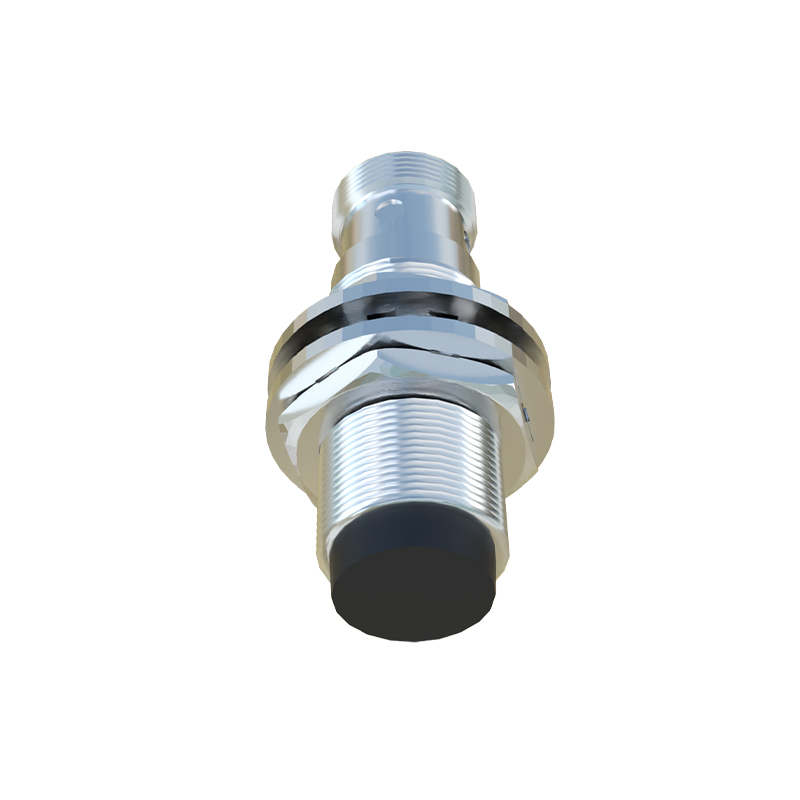
Proximity light sensors, often utilizing infrared (IR), laser, or LED-based technologies, have become indispensable components across numerous industries due to their non-contact detection capabilities. These sensors operate by emitting a light beam and measuring the reflection or interruption to determine the presence, absence, or distance of an object. Their precision, reliability, and adaptability make them critical in automation, safety systems, consumer electronics, and beyond.
In industrial automation and manufacturing, proximity light sensors are fundamental for enhancing efficiency and safety. On assembly lines, they detect the position of components, verify part placement, and count objects with high accuracy. For instance, in packaging machinery, sensors ensure products are correctly aligned before sealing, reducing waste and downtime. They also facilitate robotic guidance, allowing robotic arms to identify and handle items without physical contact, minimizing wear and tear. In hazardous environments, such as chemical plants, these sensors enable remote monitoring, keeping workers safe from direct exposure.
The automotive industry heavily relies on proximity light sensors for advanced driver-assistance systems (ADAS) and vehicle automation. They are integrated into parking assistance systems, where they measure distances to obstacles, providing audible or visual alerts to prevent collisions. In adaptive lighting systems, sensors detect oncoming vehicles and adjust headlight beams to avoid glare. Additionally, interior sensors monitor occupant presence for airbag deployment optimization and seatbelt reminders, contributing to enhanced passenger safety.
Consumer electronics represent another major application area. Smartphones and tablets incorporate proximity light sensors to detect when a device is held near the user’s ear during a call, automatically turning off the display to save power and prevent accidental touch inputs. In laptops, sensors help conserve energy by dimming screens when users step away. Home appliances, like automatic faucets and soap dispensers, use these sensors for touch-free operation, promoting hygiene and convenience. Gaming consoles and virtual reality devices also employ them for motion tracking and gesture recognition, creating immersive user experiences.
Healthcare and medical devices benefit from the precision of proximity light sensors. In diagnostic equipment, such as blood analyzers, they ensure accurate sample positioning. Patient monitoring systems use sensors to detect movement or presence without physical contact, ideal for elderly care or intensive care units. Surgical robots leverage sensor feedback for precise instrument navigation, reducing human error. Moreover, hygiene-focused applications include automatic sanitizer dispensers and touchless door controls in hospitals, minimizing infection risks.
In security and surveillance, proximity light sensors enhance detection capabilities. They are part of intrusion alarm systems, where they sense unauthorized movement near windows or doors. Automated lighting systems in buildings use sensors to activate lights when someone approaches, improving energy efficiency and safety. Retail environments deploy them for people counting and inventory management, helping optimize store layouts and prevent theft.
Emerging trends, such as the Internet of Things (IoT) and smart cities, are expanding the utility of these sensors. In smart homes, they enable automated climate control and lighting based on occupancy. Urban infrastructure uses sensors for traffic management, detecting vehicles at intersections to optimize signal timing. Environmental monitoring applications include water level detection in flood-prone areas or equipment maintenance alerts in industrial settings.
Despite their advantages, challenges like ambient light interference, limited range in certain conditions, and calibration requirements exist. However, ongoing advancements in sensor technology, including improved signal processing and miniaturization, are addressing these issues. Future developments may integrate artificial intelligence for smarter decision-making, further broadening applications.
Overall, proximity light sensors are versatile tools that drive innovation across sectors. By enabling non-contact detection, they improve operational efficiency, safety, and user interaction. As technology evolves, their role in automation, smart systems, and beyond will continue to grow, solidifying their importance in modern engineering and daily life.