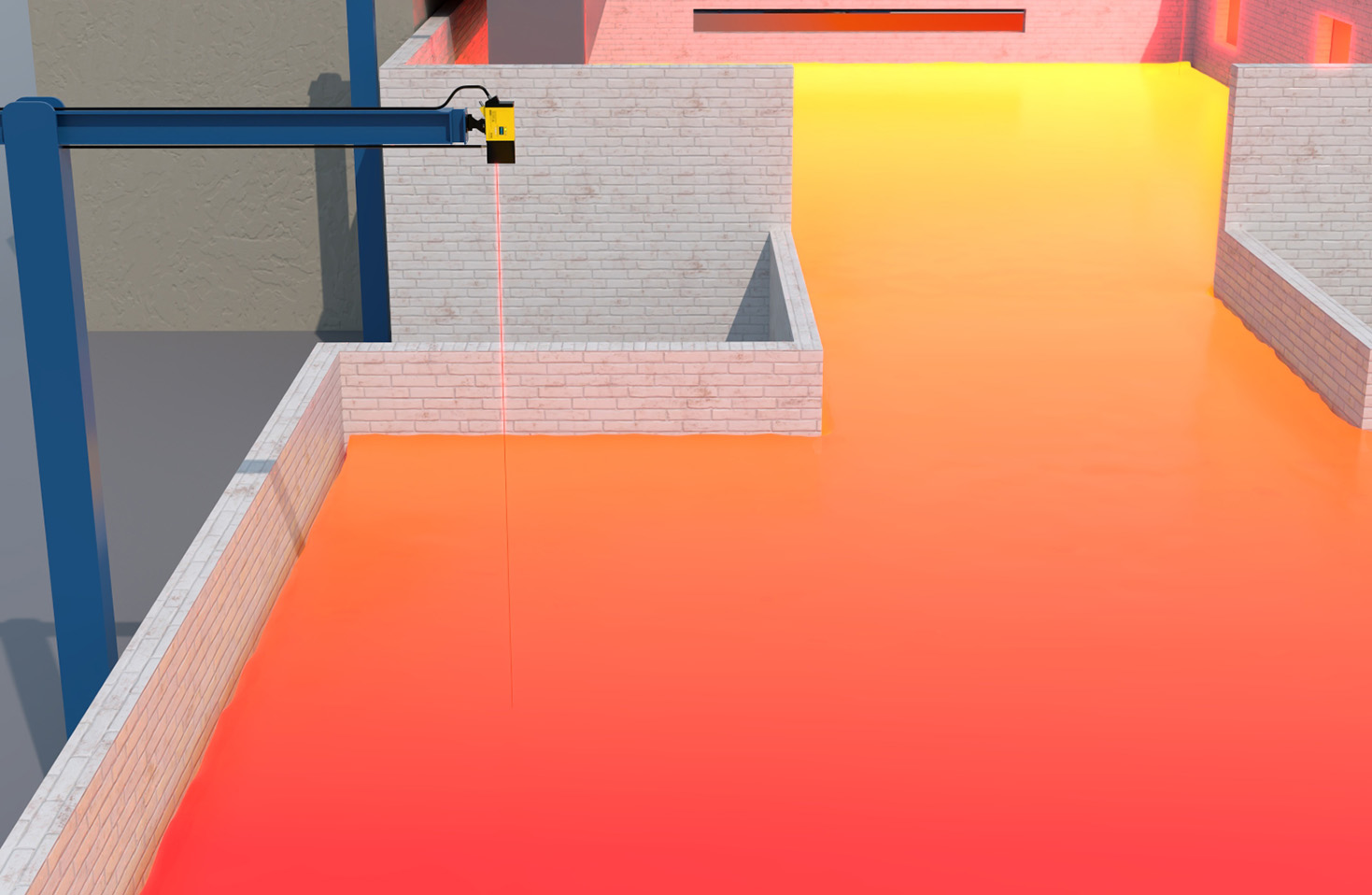
In the realm of industrial automation and machine safety, laser safety sensors have become indispensable components. Their primary function is to detect the presence of personnel or objects within a hazardous area, typically where Class 3B or Class 4 lasers are in operation, and to initiate a safety shutdown to prevent injury. For engineers, plant managers, and procurement specialists, understanding the factors that influence laser safety sensor pricing is crucial for making informed budgeting and purchasing decisions.
The price of a laser safety sensor is not a single figure but a spectrum determined by a confluence of technical specifications, performance requirements, and system integration needs. At the most fundamental level, the core sensing technology plays a significant role. Sensors utilizing time-of-flight (ToF) principles or advanced triangulation methods for precise distance measurement generally command a higher price than simpler photoelectric light curtain systems. The required detection range is a direct cost driver. A sensor designed to safeguard a perimeter of 50 meters will be inherently more complex and expensive than one for a 5-meter zone. Similarly, the resolution, or the smallest object the sensor can reliably detect, impacts cost. Finer resolution for detecting small intrusions requires more sophisticated optics and processing.

Performance under demanding environmental conditions adds another layer to the cost structure. Sensors rated for harsh environments—featuring high IP (Ingress Protection) ratings for dust and water resistance, robust housing to withstand vibration and mechanical shock, and extended operational temperature ranges—involve more durable materials and rigorous manufacturing processes, increasing the price. Furthermore, the required Safety Integrity Level (SIL) or Performance Level (PL) as per standards like IEC 61496 and ISO 13849 is a major cost factor. Achieving higher SIL/PL ratings necessitates redundant internal architectures, self-checking diagnostics, and extensive documentation for certification, all contributing to a higher unit cost.
Integration capabilities significantly influence the final system price. A basic standalone sensor unit will have a lower upfront cost. However, most industrial applications require integration into a larger safety system. Sensors with advanced communication protocols (e.g., PROFIsafe, CIP Safety, EtherCAT) and flexible I/O options facilitate easier integration but come at a premium. The need for associated safety controllers, relay modules, and configuration software must be factored into the total cost of ownership (TCO). Additionally, specialized features like muting (temporary suspension of the safety function for material handling), blanking (ignoring fixed obstructions), or cascading multiple sensors will increase complexity and cost.
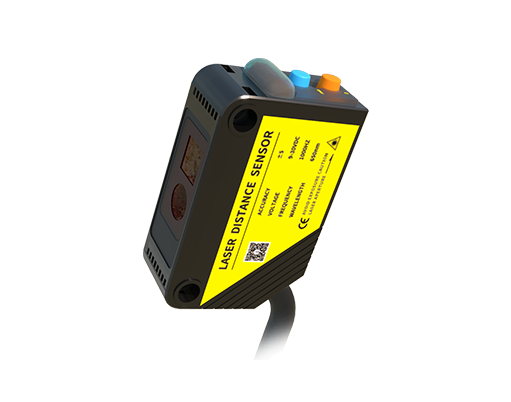
Brand reputation and certification are intangible yet valuable cost components. Established manufacturers with a long history in machine safety invest heavily in research, development, and rigorous testing. Their products often carry globally recognized certifications (e.g., TÜV, UL) which, while adding to the cost, provide assurance of reliability and compliance with international safety standards. This can reduce liability risks and potential downtime costs.
When evaluating price, it is essential to look beyond the initial purchase order. The Total Cost of Ownership (TCO) encompasses installation, calibration, maintenance, potential downtime, and training. A moderately priced sensor with poor reliability that causes frequent production stoppages will ultimately be more costly than a higher-priced, robust alternative. Availability of local technical support, spare parts, and comprehensive documentation also adds value that justifies a price point.
In summary, the price of a laser safety sensor is a reflection of its capability, reliability, and integration readiness. Key determinants include sensing technology and range, environmental robustness, safety certification level (SIL/PL), and communication features. For procurement professionals, the goal should be to specify a sensor that meets the precise safety and application requirements without over-engineering, while always considering the long-term TCO. Investing in the appropriate level of laser safety is not merely a compliance expense but a critical investment in protecting personnel and ensuring uninterrupted, productive operations.