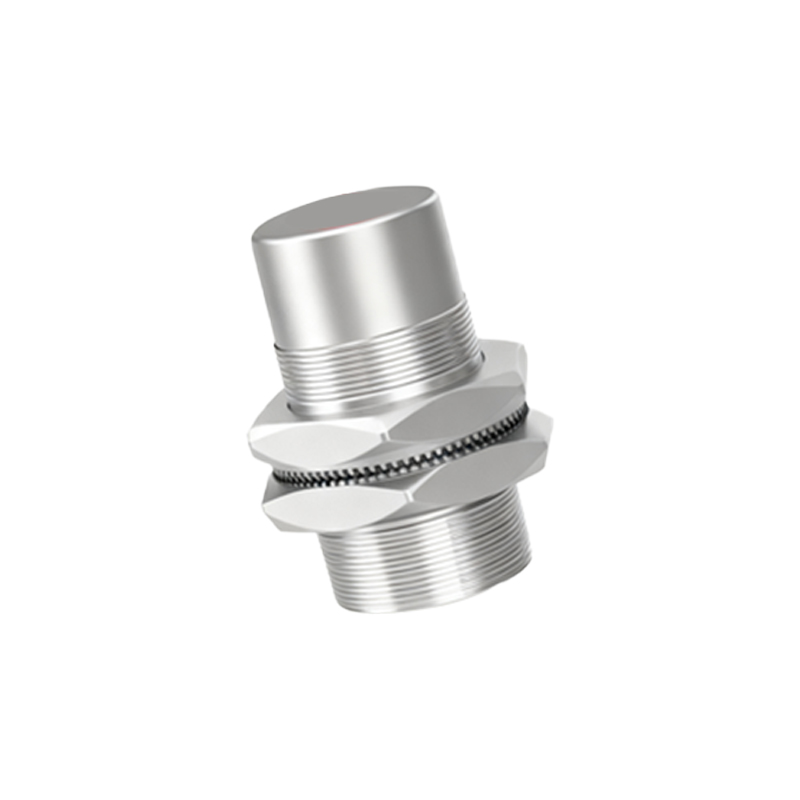
In modern agricultural machinery, proximity sensors play a critical role in ensuring the efficiency, safety, and longevity of combine harvesters. These sensors detect the presence or absence of objects within a specified range without physical contact, enabling automated control and preventing collisions. Determining the optimal sensing distance for these sensors is essential for maximizing operational performance. This article delves into the technical considerations, industry standards, and practical recommendations for setting the ideal proximity sensor distance in combine harvesters.
Proximity sensors in combine harvesters are typically used in applications such as monitoring the clearance between moving parts, detecting material levels in grain tanks, and preventing entanglement in cutting mechanisms. The sensing technology commonly employed includes inductive, capacitive, and ultrasonic sensors, each with distinct operational ranges and environmental tolerances. For most combine harvester applications, inductive sensors are preferred due to their robustness in dusty and humid conditions, with sensing distances ranging from 2 mm to 40 mm. However, the "best" distance depends on the specific function and operational context.
For critical safety applications, such as detecting obstacles near rotating blades or augers, a shorter sensing distance of 5 mm to 15 mm is recommended. This close range ensures immediate response to potential hazards, minimizing the risk of damage or injury. In contrast, for level sensing in grain tanks or hoppers, a longer distance of 20 mm to 30 mm may be suitable to account for material variability and reduce false triggers. Industry guidelines, such as those from the International Organization for Standardization (ISO 4254-1), emphasize that sensor placement must consider machine dynamics, including vibration and thermal expansion, which can affect accuracy.
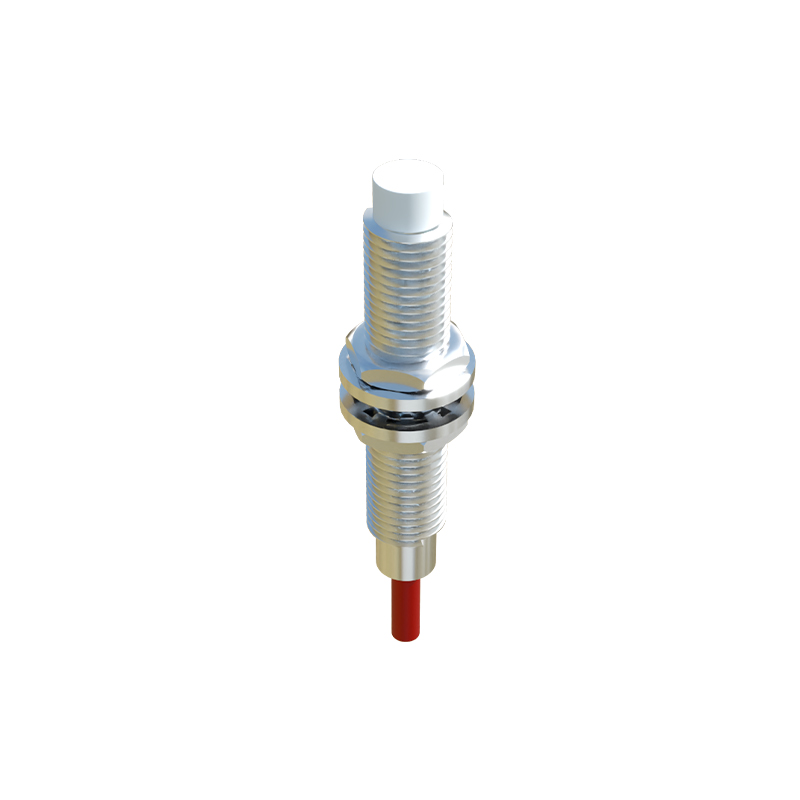
Environmental factors significantly influence optimal sensing distance. Combine harvesters operate in harsh conditions with high levels of dust, moisture, and temperature fluctuations. Sensors must be calibrated to account for these elements, often requiring a reduction in nominal distance by 10-20% to ensure reliability. For example, an inductive sensor rated for 20 mm in clean environments might perform best at 16 mm in a dusty field. Regular maintenance, including cleaning and calibration, is crucial to sustain optimal performance.
Technological advancements, such as the integration of IoT and smart sensor systems, allow for dynamic distance adjustment based on real-time data. These systems can adapt sensing parameters to changing conditions, enhancing precision and reducing downtime. However, the foundational principle remains: the optimal distance balances sensitivity and stability, avoiding both excessive false alarms and missed detections.
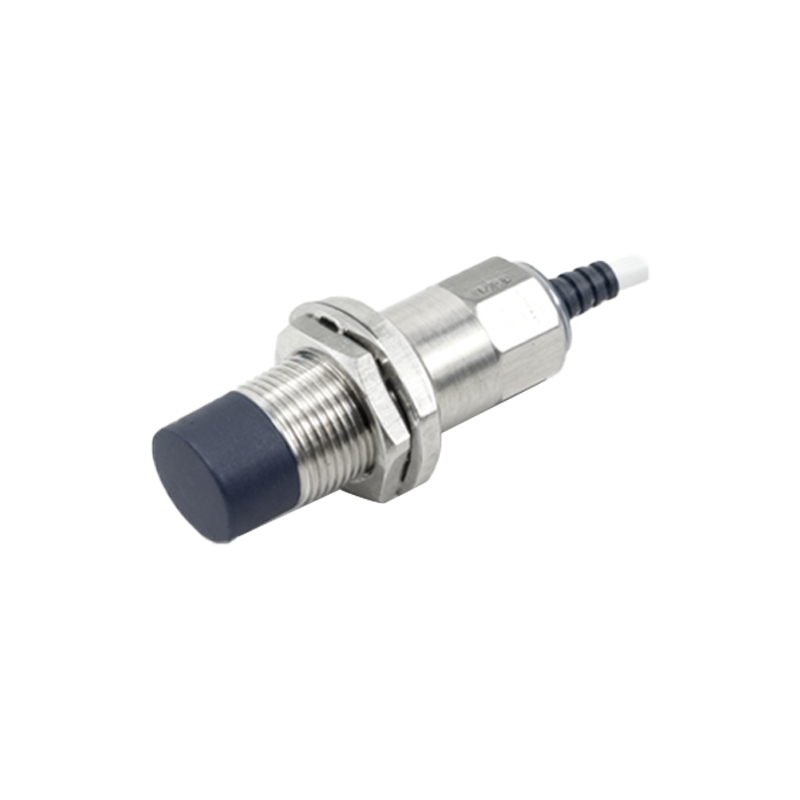
In practice, manufacturers often specify sensor distances in equipment manuals, but operators should verify these settings during seasonal preparations. Consulting with sensor suppliers or agricultural engineers can provide tailored solutions. Ultimately, the best proximity sensor distance for a combine harvester is one that aligns with its operational demands, ensuring safety, efficiency, and durability in the field.