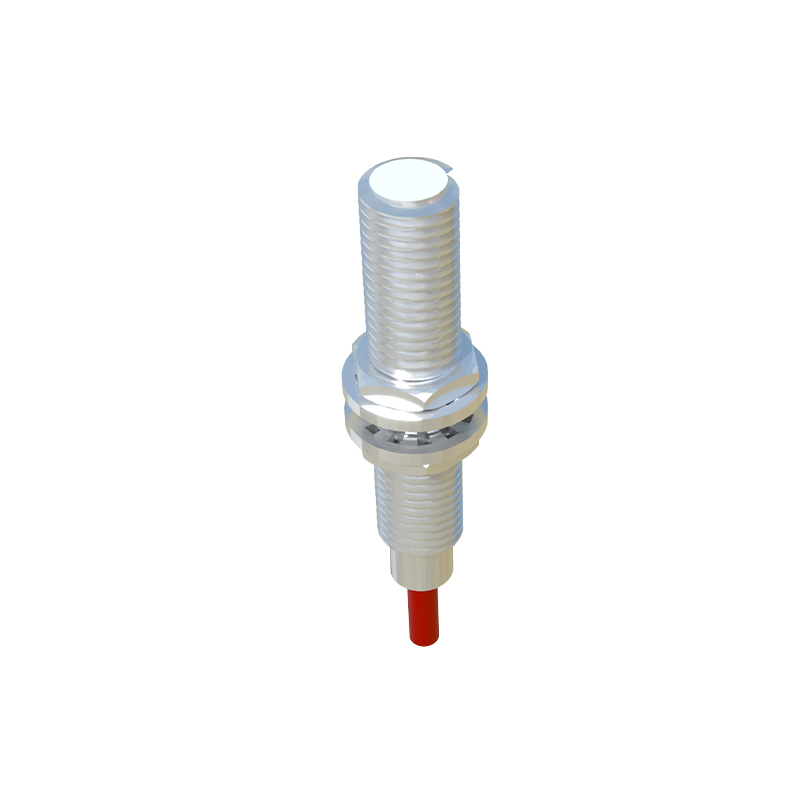
Proximity sensors are indispensable components in modern industrial automation, offering non-contact detection of objects for a wide range of applications, from assembly line positioning to safety guarding. Selecting the correct model is paramount for ensuring system reliability, efficiency, and longevity. This guide details key specifications and selection criteria for various proximity sensor types, focusing on industry-standard models and their operational parameters.
The core operating principle of a proximity sensor involves generating an electromagnetic field or beam and detecting changes caused by a target object entering its sensing range. The two primary categories are inductive and capacitive sensors. Inductive sensors are designed to detect metallic objects, typically ferrous metals like steel and iron, though some models can sense non-ferrous metals like aluminum and copper with reduced sensing distance. Common inductive sensor models are classified by housing shape (e.g., cylindrical, rectangular), size (e.g., M8, M12, M18, M30), and sensing distance (e.g., 2mm, 4mm, 8mm, 15mm). Key specifications include the nominal sensing distance (Sn), which is the rated operating distance under standardized conditions. A crucial factor is the correction factor for different metals; for instance, a sensor rated for 8mm on steel may only sense aluminum at approximately 40-50% of that distance. Output types are predominantly NPN (sinking) or PNP (sourcing) transistor configurations, with 3-wire or 4-wire designs, alongside 2-wire AC/DC models. Switching frequency, measured in Hertz (Hz), indicates how quickly the sensor can respond, with high-speed models exceeding 5 kHz for fast-moving applications.
Capacitive sensors, on the other hand, can detect both metallic and non-metallic materials such as liquids, plastics, wood, and glass. They operate by detecting changes in capacitance. Model specifications often include a sensitivity adjustment potentiometer to compensate for different target materials and to ignore interfering substances like container walls. Typical housing styles are similar to inductive sensors. A vital specification is the dielectric constant of the target material; materials with a higher constant (like water) are easier to detect than those with a lower constant (like certain plastics).
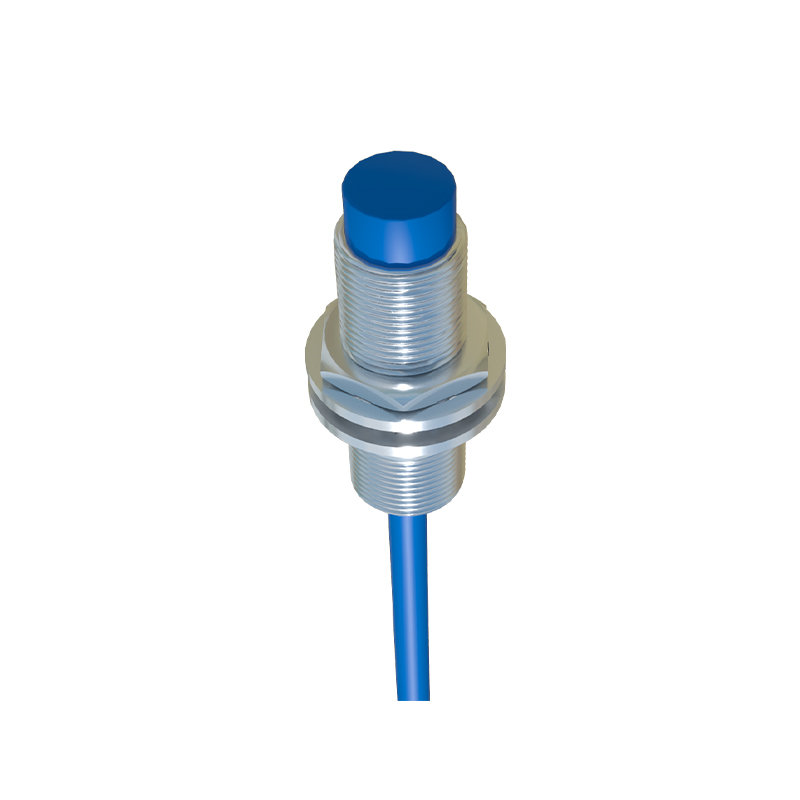
Beyond these, other prevalent models include ultrasonic sensors for long-range detection and level sensing, and magnetic sensors (reed or Hall effect) for detecting permanent magnets. For all types, environmental ratings are critical. The Ingress Protection (IP) rating, such as IP67 or IP69K, defines protection against dust and liquids, essential for washdown or outdoor environments. Temperature range specifications, often from -25°C to +70°C, ensure operation in harsh conditions. Connection methods, including pre-wired cables, quick-disconnect (M12, M8 connectors), or terminal housings, impact installation and maintenance.
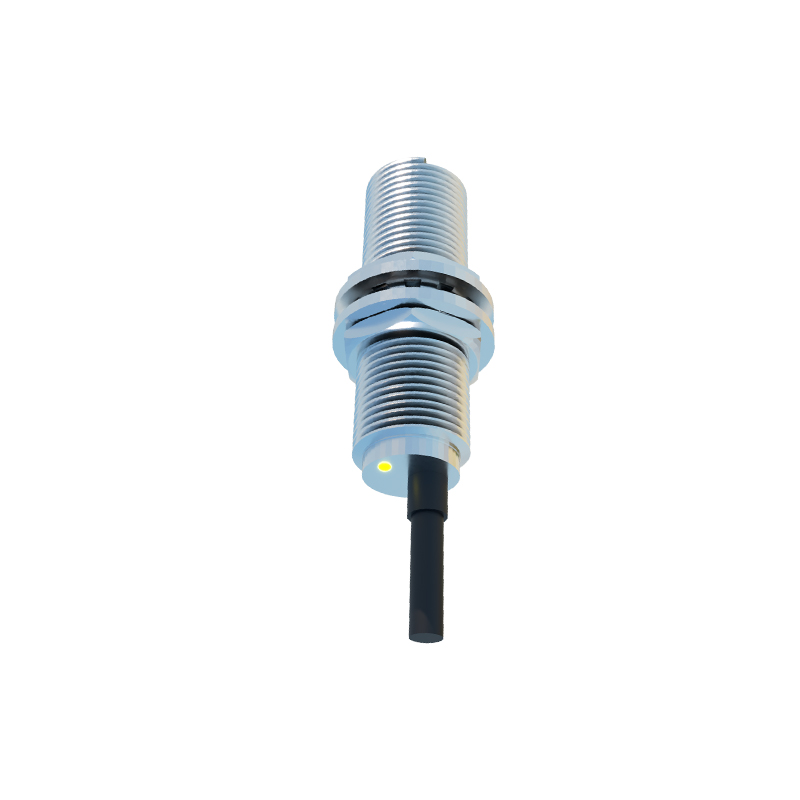
When selecting a model, engineers must analyze the application requirements systematically. First, identify the target material. For metals, an inductive sensor is standard. For non-metabolics, a capacitive sensor is required. Second, determine the required sensing distance, adding a 10-20% safety margin to the nominal Sn to account for mechanical tolerances and temperature drift. Third, consider the output configuration needed to interface with the Programmable Logic Controller (PLC) or other control equipment; PNP is common in Europe and for PLC sinking input modules, while NPN is prevalent in Asia. Fourth, evaluate the electrical requirements: operating voltage (commonly 10-30V DC or 20-250V AC), current consumption, and whether a normally open (NO) or normally closed (NC) output logic is needed. Fifth, assess the physical installation constraints—housing size, shape, and material (often nickel-plated brass or stainless steel). Flush-mounted sensors can be installed embedded in metal, while non-flush models offer longer ranges but require a clear lateral area.
For demanding applications, specialized models are available. These include weld-field immune inductive sensors for environments with strong magnetic fields from resistance welding, high-temperature sensors with extended ranges, and analog output sensors providing a continuous signal proportional to distance. Always consult the manufacturer's detailed datasheet for precise performance curves, temperature derating graphs, and connection diagrams. Proper selection, followed by correct installation and shielding of cables in electrically noisy environments, guarantees optimal performance and minimizes downtime. Regular verification of the sensing distance and output signal under actual operating conditions is a recommended maintenance practice to sustain system integrity.