In industrial automation and control systems, proximity sensors are indispensable components for non-contact detection of objects. Among the various models, sensors with a distinctive blue head, often indicating a particular housing material or series from manufacturers like Siemens, Omron, or Schneider Electric, are commonly deployed. A recurring and critical field issue is the physical detachment of this blue sensor head from its body or mounting assembly. This failure, while seemingly mechanical, can lead to significant system downtime, safety hazards, and production losses.
The primary cause of the blue head detachment is mechanical stress and vibration. Proximity sensors in industrial environments are subjected to constant vibration from machinery, incidental impacts from passing objects or tools, and stress from improper mounting or misalignment. Over time, these forces can fatigue the plastic housing, weaken the adhesive or snap-fit connections, or compromise the integrity of the epoxy seal that often bonds the sensing face (the blue head) to the sensor body. In some designs, the blue head is a protective cap or a specific material for sensing characteristics; its detachment exposes the internal coil and electronics to contaminants.
Environmental factors drastically accelerate this failure. Exposure to oils, coolants, solvents, and extreme temperature cycles can degrade the plastic polymer of the blue housing, making it brittle. Ultraviolet radiation, though less common indoors, can also contribute to material degradation. Chemical attack can dissolve or weaken adhesives. Furthermore, the use of incompatible cleaning agents during plant maintenance can chemically attack the sensor housing, leading to cracks and eventual separation.
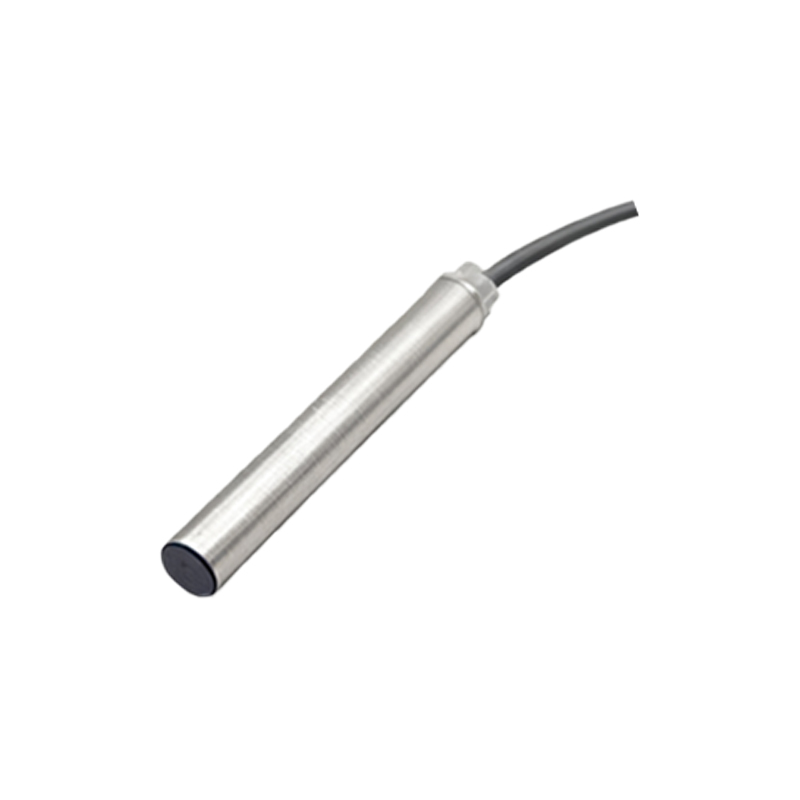
The operational impacts are immediate and severe. A detached head typically results in a complete failure of the sensing function. The sensor may provide a constant "on" or "off" signal, or no signal at all, causing the control system to misinterpret the presence of an object. This can lead to machine jams, incorrect sequencing in automated lines, or failure to detect a critical part position. In safety-critical applications, such as in guarding or robotic cell entry detection, this failure poses a direct risk to personnel and equipment. Diagnosing the issue is sometimes straightforward—a visual inspection reveals the detached component. However, if the head is only partially detached or cracked, it may cause intermittent failures that are notoriously difficult to troubleshoot, leading to extended diagnostic periods and unnecessary replacement of other components.
Prevention is the most effective strategy. Proper selection, installation, and maintenance are key. Engineers should specify sensors with housing materials (like PBT or PVDF) rated for the specific environmental challenges of the application, including chemical exposure and temperature range. During installation, it is crucial to follow the manufacturer's torque specifications for mounting nuts and to use appropriate brackets to minimize sensor body stress. Ensuring the sensing face is not subjected to direct physical impact from the target object is vital. Implementing regular preventive maintenance schedules that include visual inspections for cracks, chips, or looseness in the sensor housing can catch early signs of failure.
When detachment occurs, the correct solution is almost always complete replacement. Attempting to re-adhere the blue head with glue or epoxy is strongly discouraged. Such repairs are unlikely to restore the original environmental sealing (IP rating), potentially allowing ingress of liquids and dust that will corrode internal components. The repaired sensor's sensing characteristics, such as its nominal sensing distance, may be altered, leading to unreliable operation. For consistency, reliability, and safety, replacing the faulty sensor with a new, OEM-specified unit is the only recommended course of action. When replacing, it is an opportune time to re-evaluate if a more robust sensor model or a different mounting arrangement is warranted for that specific location.
In conclusion, the detachment of the blue head on a proximity sensor is a symptom of underlying mechanical or environmental stress. It signals a breakdown in the sensor's integrity that cannot be ignored. By understanding the root causes—vibration, impact, chemical exposure, and material fatigue—maintenance and engineering teams can implement better selection criteria and installation practices. A proactive approach focused on prevention, coupled with a policy of immediate replacement upon failure, is essential for maintaining high system availability, ensuring operational safety, and protecting the substantial investment in modern automated industrial machinery.