In the realm of industrial automation and machine safety, proximity switches are indispensable components. Among the various form factors, the 4mm diameter cylindrical inductive proximity sensor is a common choice for applications requiring a compact solution with precise detection capabilities. A frequently asked question by design engineers and maintenance technicians is: what is the maximum sensing distance achievable with a standard 4mm proximity switch? The answer, while seemingly straightforward, involves understanding key specifications, influencing factors, and practical application nuances.
The nominal sensing distance (Sn) for a standard, unshielded (non-flush mountable) inductive proximity switch with a 4mm diameter is typically 0.8 mm to 1.2 mm. For shielded (flush mountable) versions, this rated operating distance is usually lower, around 0.4 mm to 0.8 mm. It is crucial to emphasize that this 'rated' distance is defined under specific, ideal IEC/EN 60947-5-2 standards: using a standard target (1mm thick mild steel square, side length equal to the sensor's diameter or 3xSn, whichever is greater), at an ambient temperature of 23°C (±5°C), and with a rated supply voltage. The sensor is guaranteed to operate reliably at this distance.
However, the concept of a "maximum" distance can be ambiguous. In practice, engineers often refer to two key distances beyond the nominal (Sn):
1. Assured Operating Distance (Sa): This is 0 to 0.81 x Sn. Within this range, the sensor's operation is guaranteed under all conditions, including voltage fluctuations, temperature extremes, and manufacturing tolerances. It is the safe zone for critical applications.
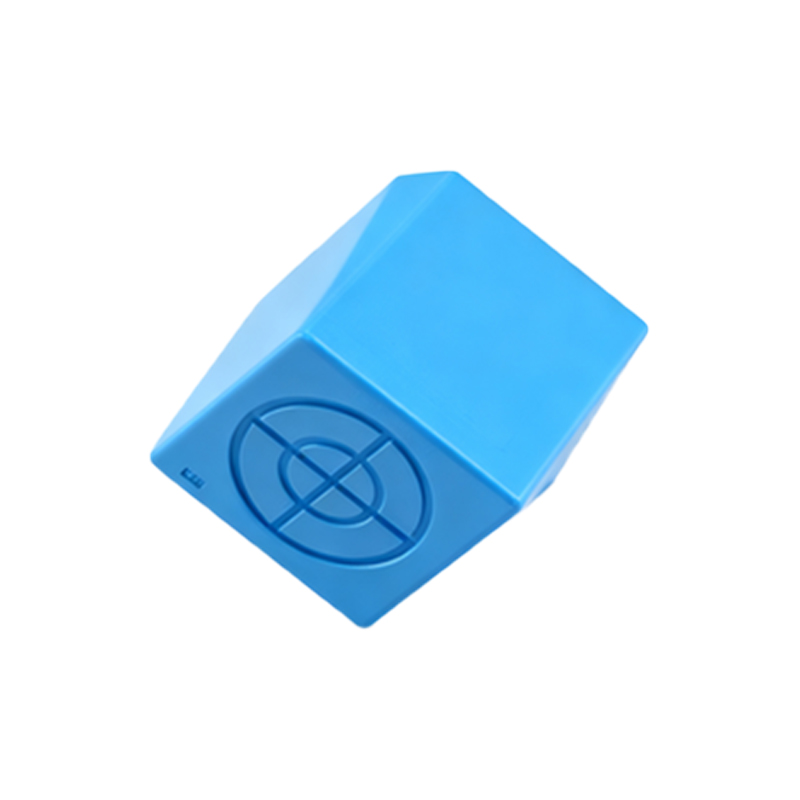
2. Usable Sensing Distance (Su): This can extend up to approximately 1.2 x Sn. Some sensors may detect a target at this greater distance, but operation is not guaranteed across the full spectrum of environmental and electrical conditions. It represents a practical, though less reliable, limit.
Therefore, for a 4mm sensor with an Sn of 1.2 mm, the usable maximum could be around 1.44 mm under ideal lab conditions. Relying on this extended distance for machine logic or safety is not recommended.
Several critical factors can significantly reduce the effective sensing distance from its nominal value:
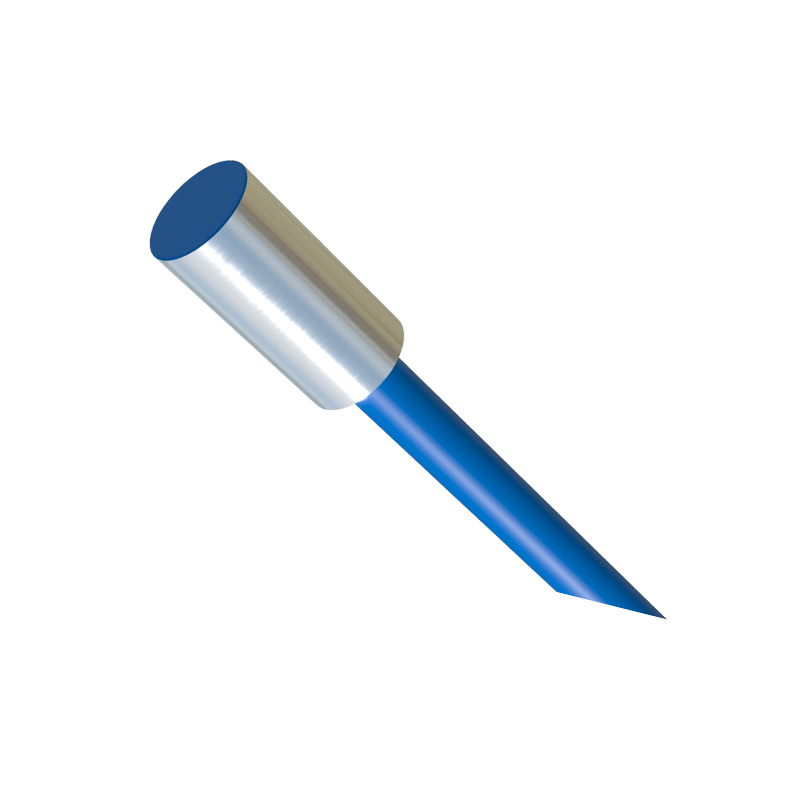
Target Material: Inductive sensors are calibrated for mild steel. For stainless steel, the sensing distance reduces to about 50-80% of Sn. For brass, aluminum, or copper, it can drop to 15-40%. Always consult the sensor's correction factor (Kr) table.
Target Size and Shape: The standard target is a square of specific dimensions. A smaller target, a round bar, or a thin foil will decrease the effective range. The target must be large enough to interact sufficiently with the sensor's electromagnetic field.
Temperature: High ambient temperatures can reduce the sensing distance and affect the oscillator circuit's stability. Most sensors specify a temperature derating curve.
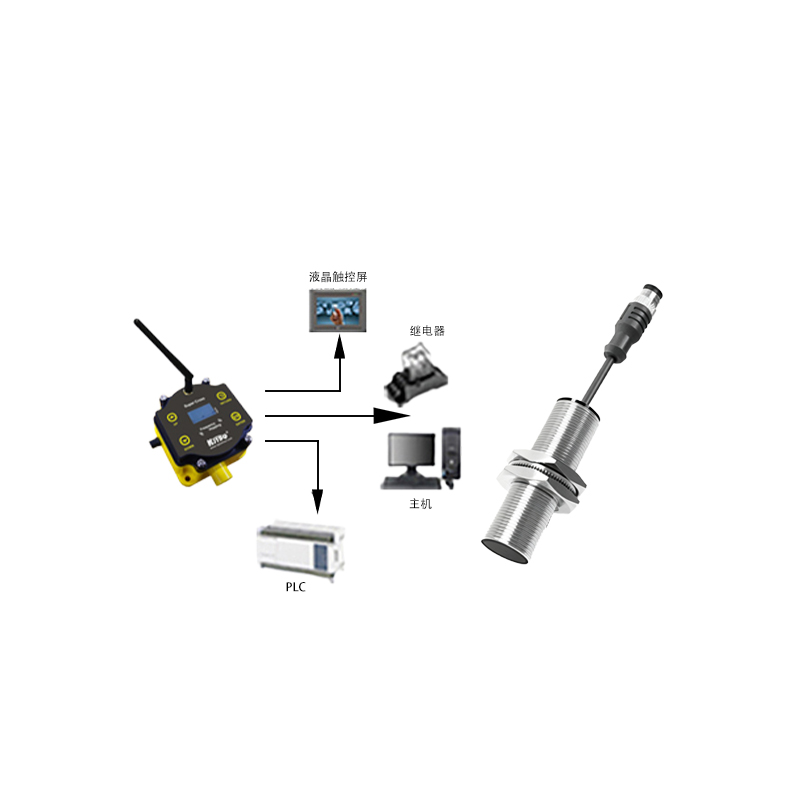
Mounting Conditions: Shielded sensors can be mounted flush with metal, but their range is inherently shorter. Unshielded sensors require a clearance zone (free of metal) around their sensing face to achieve their full range, as specified in the datasheet.
Voltage Supply: Operating at the lower or upper limits of the supply voltage range can slightly influence the switching point.
Sensor Face Contamination: Accumulation of metallic dust, chips, or grease can alter the field characteristics, leading to reduced performance or false triggering.
Selecting and applying a 4mm proximity switch requires careful consideration. For high-precision positioning or detecting very small parts, the short range is an advantage, offering high repeatability and immunity to background interference. They are ideal for counting tiny gears, verifying pin presence, or as end-position sensors in compact mechanisms. Always design the mechanical system so that the target operates within 80% of the nominal sensing distance (Sa zone) to ensure long-term reliability. For applications requiring a longer range with a similar form factor, consider a 5mm or 6.5mm diameter sensor, which typically offer Sn ratings of 1.5mm and 2mm, respectively.
In conclusion, while a standard 4mm inductive proximity sensor has a nominal sensing distance of up to 1.2 mm, the dependable maximum for robust system design is the Assured Operating Distance, approximately 0.8 to 1.0 mm. Achieving consistent performance hinges on respecting the application-specific factors of target material, size, and environmental conditions. Consulting the manufacturer's detailed datasheet and performing real-world tests under actual operating conditions is the final, essential step in validating the sensing distance for any critical automation task.