In the intricate world of industrial automation, the ability to detect the presence or absence of an object without physical contact is a fundamental requirement. Among the various sensing technologies available, the cylindrical proximity sensor stands out as a robust, reliable, and ubiquitous solution. Its distinctive tubular shape, typically housed in a threaded metal body, is engineered for seamless integration into machinery and production lines. The core function of a cylindrical proximity sensor is to detect metallic or, in some variants, non-metallic targets within its specified sensing range, triggering an electrical signal output that can be used to control processes, count items, or ensure safety.
The operational principle hinges on the type of technology employed. Inductive proximity sensors are the most common cylindrical variant. They generate an oscillating electromagnetic field at the active face. When a metallic object enters this field, it induces eddy currents within the target, which dampens the oscillation of the sensor's internal circuit. This damping effect is detected, causing the sensor's solid-state output to switch states—either from OFF to ON or vice versa. This non-contact detection is exceptionally reliable for sensing metals like steel, aluminum, or copper, and is immune to environmental factors such as dust, oil, or moisture, making it ideal for harsh industrial environments.
Capacitive cylindrical proximity sensors operate on a different principle. They generate an electrostatic field and detect changes in capacitance. When any object, metallic or non-metallic (such as plastic, wood, glass, or liquids), approaches the sensing face, it alters the dielectric constant of the field, changing the capacitance. This change is measured, leading to an output switch. This versatility makes capacitive sensors invaluable for applications like level detection in tanks, material handling of non-metallic products, or detecting filled vs. empty containers.
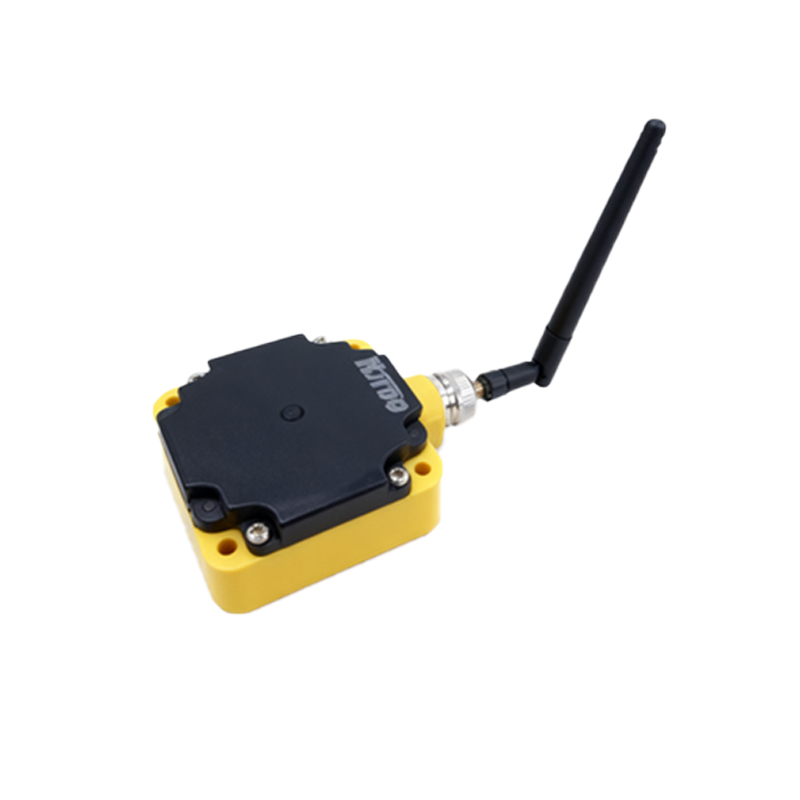
The cylindrical form factor is a key contributor to its functionality. The threaded barrel, often conforming to international standards like M8, M12, M18, or M30, allows for easy mounting by simply screwing it into a pre-tapped hole. This design provides excellent mechanical stability and precise alignment. Many models feature LED indicators for visual status confirmation (power and output state) and offer various output configurations (NPN, PNP, NO, NC) to interface seamlessly with Programmable Logic Controllers (PLCs) and other control systems. The sensing range, while relatively short (a few millimeters to several tens of millimeters depending on size and type), is highly precise and repeatable.
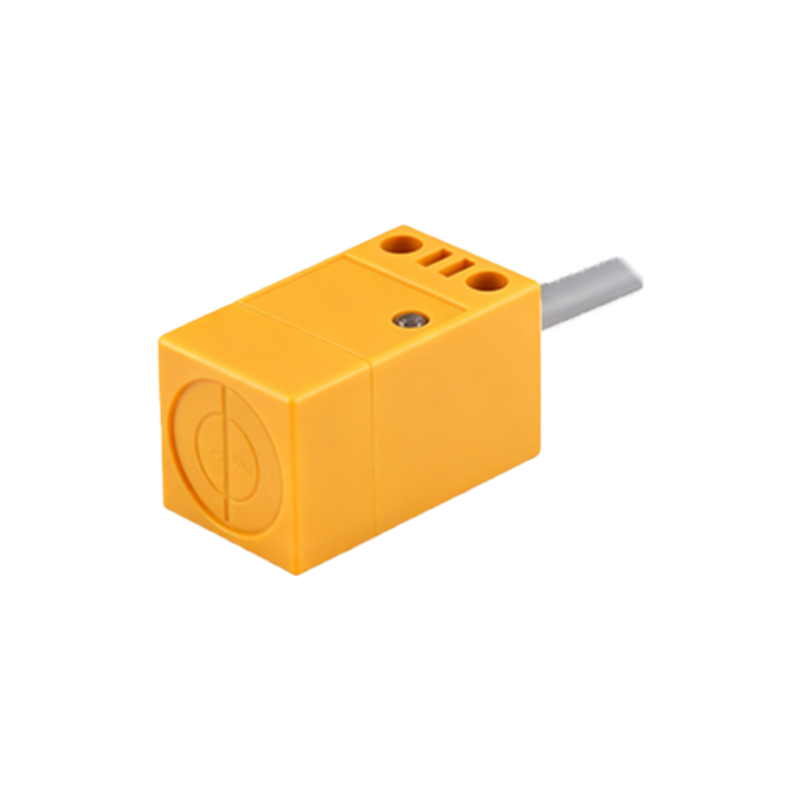
Application scenarios for cylindrical proximity sensors are vast. They are routinely deployed for precise position sensing of machine parts, such as confirming the open/closed status of a cylinder or the presence of a workpiece on a conveyor. They serve as essential components in automated assembly for part verification and counting. In packaging machinery, they detect labels, caps, or filled levels. Their ruggedness also makes them suitable for safety interlocks, though dedicated safety sensors are used for personnel protection. A critical functional consideration is the installation environment; sensors must be selected with appropriate housing materials (e.g., stainless steel), ingress protection (IP) ratings (like IP67 for dust and temporary immersion), and temperature ratings to ensure longevity.
When selecting a cylindrical proximity sensor, engineers must evaluate several parameters beyond just the shape: the required sensing distance (noting that factors like target material and size can affect the nominal range), the type of target material (metal, plastic, etc.), the operating voltage, output type, and environmental conditions. Proper installation is also crucial; maintaining the correct distance from other metal surfaces (to avoid mutual interference or shielding effects) and ensuring only the specified target enters the sensing field are vital for optimal performance.
In summary, the cylindrical proximity sensor is a workhorse of industrial sensing. Its primary function—providing a contactless, wear-free, and highly reliable detection signal—is encapsulated in a durable, easy-to-install package. By converting a physical presence into a clean electrical signal, it forms a critical sensory link in automated systems, enabling precise control, enhancing efficiency, and contributing to the seamless operation of modern manufacturing and processing industries. Understanding its operational principles and application nuances is key to leveraging its full potential in any automated control system.