Proximity sensors are indispensable components in modern industrial automation, and among the most reliable and widely adopted families is the E2E series. Designed for precision, durability, and versatility, E2E series proximity sensors have become a staple in manufacturing, packaging, material handling, and automotive assembly lines worldwide. This article delves into the key features, operating principles, selection criteria, and practical applications of these sensors, providing a thorough understanding for engineers and technicians.
The E2E series primarily utilizes electromagnetic induction or capacitive sensing technologies to detect the presence or absence of metallic or non-metallic objects without physical contact. Inductive models, such as the E2E-X, are optimized for detecting ferrous and non-ferrous metals, offering high repeat accuracy and resistance to environmental factors like dust, oil, and coolant splashes. Capacitive variants, like the E2E-C, can detect a broader range of materials, including liquids, plastics, and glass, making them suitable for level sensing or material differentiation tasks.
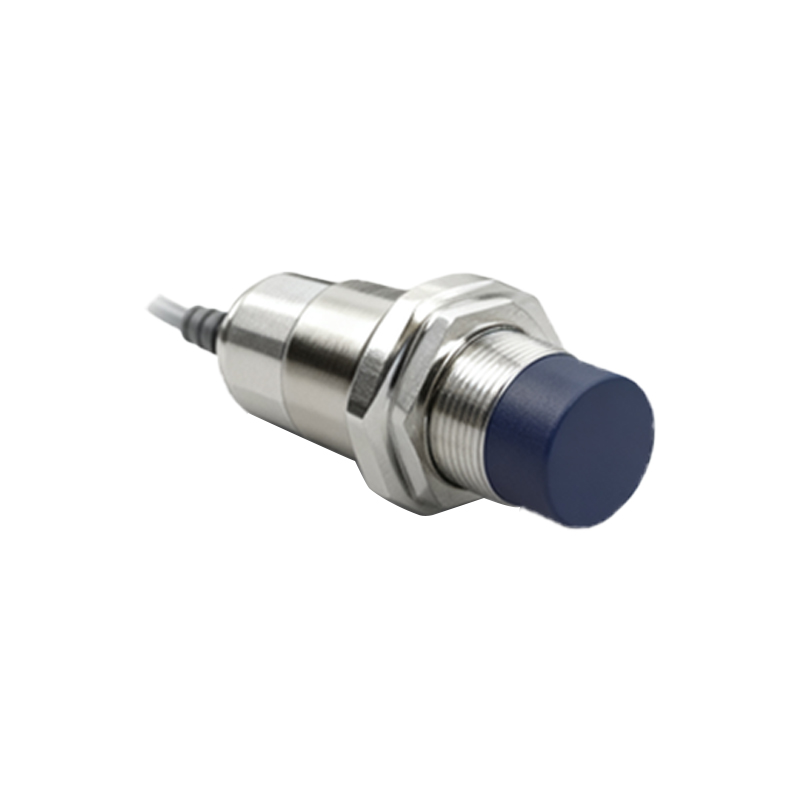
A standout characteristic of the E2E series is its robust construction. Housed in stainless steel or nickel-plated brass bodies, these sensors are built to withstand harsh industrial conditions, including mechanical shocks, vibrations, and temperature extremes ranging from -25°C to 70°C. Many models also feature IP67 or higher ingress protection ratings, ensuring reliable operation in wet or dusty environments. Electrical specifications typically include DC two-wire or three-wire configurations, with output options for NPN or PNP transistors, and voltage ranges from 10 to 30 VDC.
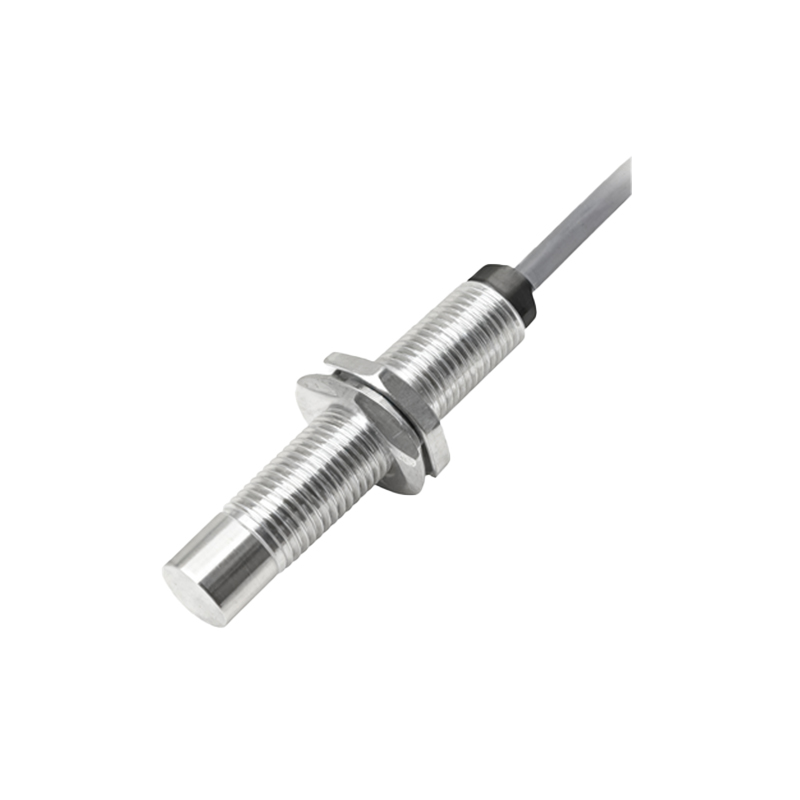
When selecting an E2E sensor, several parameters must be considered. Sensing distance, often standardized (e.g., 1.5 mm, 4 mm, 8 mm), should be chosen based on the target object's size and mounting constraints. The sensor's frequency response, or switching speed, determines how quickly it can detect objects in high-speed applications. Additionally, factors like target material, temperature tolerance, and connection type (pre-wired or connector-based) influence compatibility with existing control systems, such as PLCs or relays.
Installation and maintenance are straightforward with the E2E series. Proper alignment between the sensor face and the target is crucial for optimal performance; axial or lateral misalignment can reduce effective sensing range. Shielding (embedding) or non-shielding (non-embedding) mounting styles offer flexibility for different mechanical setups. Regular checks for accumulated debris, cable integrity, and output signal stability help prevent downtime. Many E2E models incorporate LED indicators for easy diagnostics, signaling power status and detection events.
In practice, E2E proximity sensors excel in diverse scenarios. On conveyor systems, they count products or verify positioning. In robotic cells, they ensure end-effector alignment or detect workpiece presence. Automotive lines use them for part verification in engines or brake assemblies. Their non-contact nature minimizes wear, enhances safety, and supports high-cycle operations.
Advancements in the series include miniaturized designs for space-limited applications and enhanced models with teach-in functions or IO-Link communication for Industry 4.0 integration. These smart sensors enable parameter adjustment, condition monitoring, and data logging via digital networks, aligning with predictive maintenance strategies.
In summary, the E2E series represents a blend of reliability, adaptability, and innovation. By understanding its technical attributes and application nuances, professionals can leverage these sensors to improve efficiency, accuracy, and longevity in automated processes. As industries evolve toward smarter manufacturing, the E2E family continues to offer solutions that meet both current and emerging demands.
