In the realm of industrial automation and object detection, precision and reliability are paramount. Among the diverse array of sensing technologies, the 10-level infrared (IR) proximity sensor stands out as a sophisticated and versatile solution. This article delves into the operational principles, key features, and critical applications of this advanced sensor, providing a comprehensive overview for engineers and system integrators.
At its core, an infrared proximity sensor operates by emitting an invisible beam of infrared light and measuring the intensity of the light that is reflected back to a receiver. The fundamental principle relies on the fact that the amount of reflected IR light is proportional to the distance and reflectivity of the target object. A standard binary sensor provides a simple on/off signal based on a predefined threshold. The innovation of the 10-level sensor lies in its ability to quantify this reflection into ten distinct, discrete levels of proximity or distance. This is typically achieved through advanced signal processing within the sensor's integrated circuitry. The analog signal from the photodetector is digitized and analyzed, allowing the sensor to categorize the reflected intensity into one of ten predefined ranges. Each level corresponds to a specific band of distance or reflection strength, offering a granularity far superior to a simple presence/absence detection.
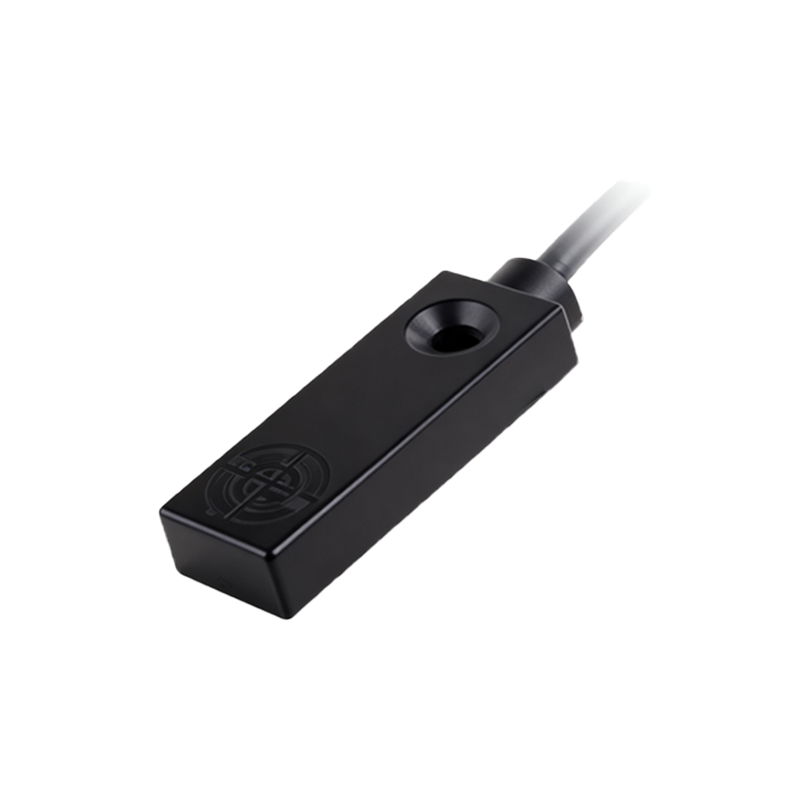
The architecture of a typical 10-level IR proximity sensor involves several key components. An IR LED emits modulated light to minimize interference from ambient light sources. A phototransistor or photodiode acts as the receiver. The heart of the system is a microcontroller or dedicated IC that performs analog-to-digital conversion, level discrimination, and output signal conditioning. The output can be configured in various formats, including a multi-bit digital signal (e.g., 4-bit output representing levels 0-9), a pulse-width modulation (PWM) signal where duty cycle corresponds to the level, or via standard industrial communication protocols like IO-Link for richer data exchange. This multi-level output transforms the sensor from a mere switch into a rudimentary measuring device, enabling applications that require tiered responses.
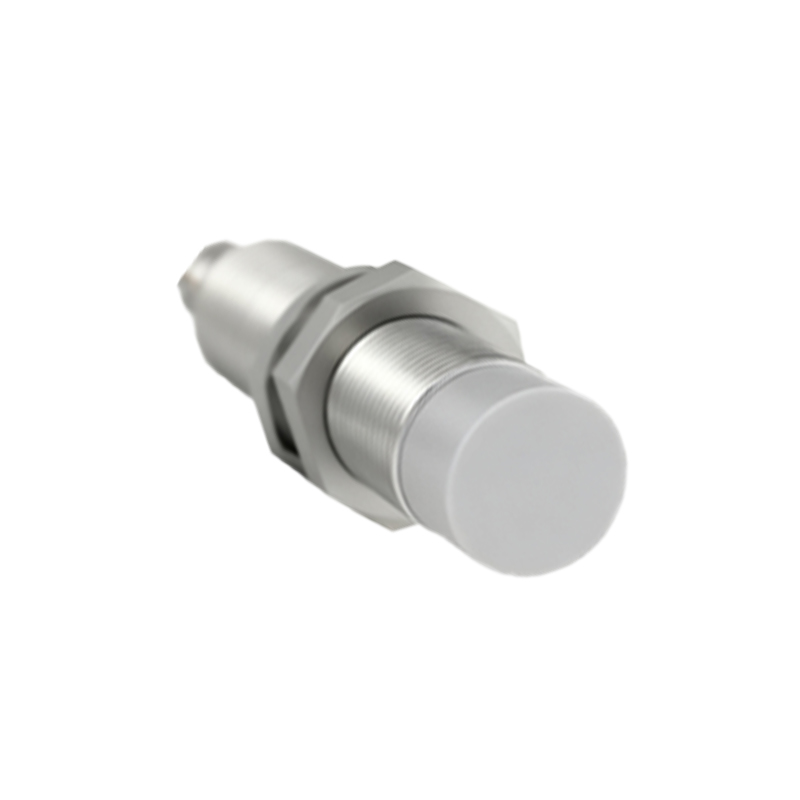
Key technical specifications define the performance of these sensors. The sensing range is a primary consideration, which can vary from a few millimeters to several meters, depending on the LED power and lens design. Resolution, defined as the smallest change in distance that can trigger a change in level, is crucial. The 10 discrete levels provide a quantized view of the sensing field. Response time must be fast enough for high-speed automation lines. Furthermore, these sensors are characterized by their excellent resistance to environmental factors. Since they detect reflected light rather than relying on physical contact, they are immune to mechanical wear and tear. They are also generally unaffected by color in many applications, as most materials reflect some degree of IR light, though highly absorbent or transparent (to IR) materials can pose challenges. Modern variants incorporate ambient light rejection algorithms and temperature compensation circuits to ensure stable operation in fluctuating industrial environments.
The practical applications for 10-level IR proximity sensors are extensive and impactful across multiple sectors. In automated packaging lines, they can be used to monitor stack height of boxes or cartons, triggering a replenishment signal at specific levels (e.g., level 2 = low, level 1 = very low, level 0 = empty). In robotics, they provide nuanced feedback for object gripping, allowing a robotic arm to adjust its grip strength based on how close it is to an object or to perform delicate bin-picking operations by sensing the topmost item's position. Within the consumer electronics industry, they enable sophisticated touchless interfaces, where hand gestures at different distances from a device can trigger different commands (e.g., level 9-7: wake-up, level 6-4: scroll menu, level 3-1: select item). In material handling, they can differentiate between partially full and completely full containers on a conveyor. They are also invaluable in safety systems, where multiple levels can indicate zones of caution, warning, and immediate danger around machinery.
When integrating a 10-level IR sensor into a system, several design considerations are essential. First, the target object's surface properties—its reflectivity, color, and texture—must be evaluated, as they directly influence the sensor's output. Calibration for the specific application is often necessary to map the ten levels to actual physical distances. Mounting is critical; sensors must be positioned to avoid cross-talk from adjacent sensors or reflections from unintended surfaces. The choice of output interface should align with the controller's capabilities. While offering more data than binary sensors, they are not a replacement for true analog distance sensors or laser rangefinders in applications requiring continuous, high-precision measurement. Their strength lies in providing cost-effective, robust, and discrete-state information for process control and decision-making.
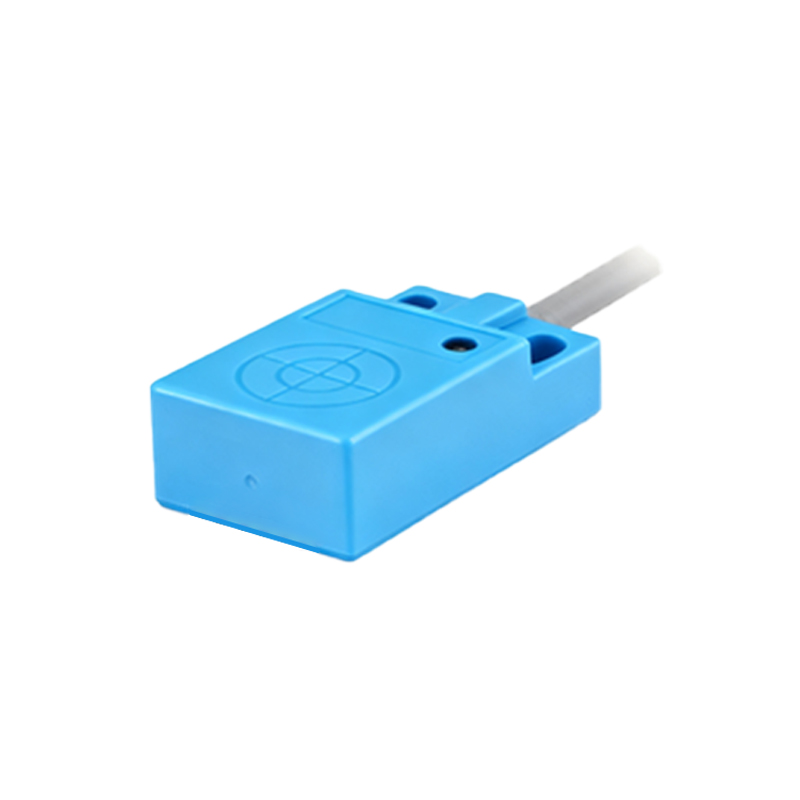
In conclusion, the 10-level infrared proximity sensor represents a significant evolution in detection technology. By bridging the gap between