In industrial automation, the precise placement of proximity sensors for sliding doors is critical for ensuring operational safety, efficiency, and system longevity. Proximity sensors, typically inductive or capacitive types, detect the presence or absence of a door panel without physical contact, making them ideal for high-traffic or harsh environments. The installation location depends on several factors, including door mechanism, safety standards, and environmental conditions.
For single-panel sliding doors, the sensor is commonly mounted on the fixed door frame or adjacent wall, aligned with the edge of the moving door. This allows detection when the door is fully closed or begins to open. In bi-parting sliding doors, sensors are often installed on both sides of the doorway to monitor each panel’s position independently. The optimal height for sensor placement is usually at the midpoint of the door’s height, avoiding areas prone to mechanical interference or accidental impacts.
In hazardous areas, such as those with explosive atmospheres or heavy machinery, sensors should be positioned outside the direct line of movement to prevent damage. Additionally, compliance with international safety standards like ISO 13849 or IEC 62061 may require redundant sensor setups—installing two sensors in a series or parallel configuration to ensure fail-safe operation. For example, one sensor can verify door closure before machinery activation, while another monitors obstruction during movement.
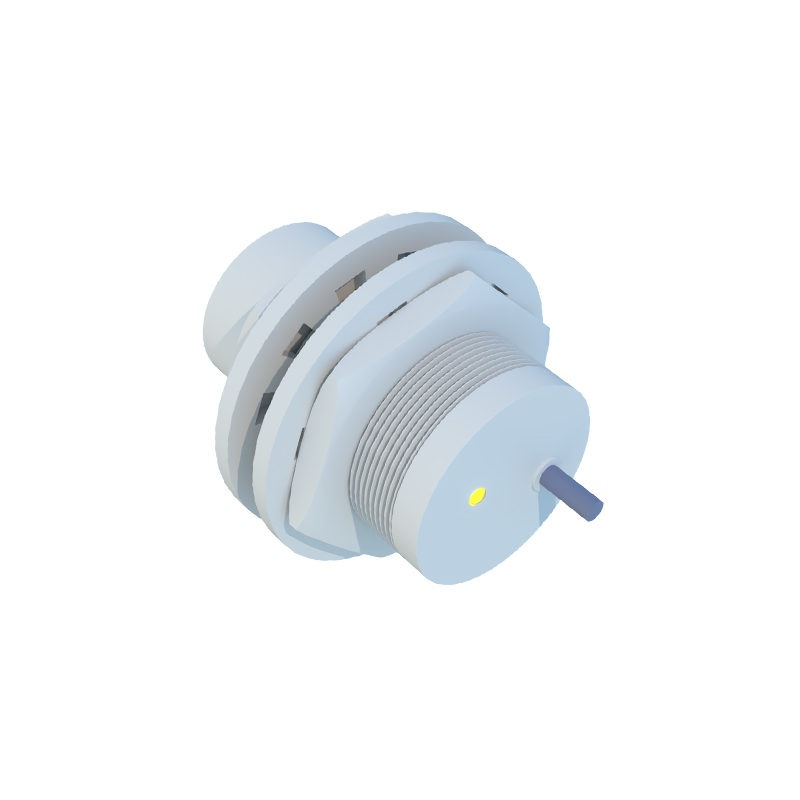
Environmental factors also influence sensor location. In dusty or humid settings, sensors should be placed in sheltered spots or equipped with protective housings. For outdoor sliding doors, weatherproof sensors mounted under eaves or with sunshields prevent false triggers from rain or direct sunlight. The sensing range must be calibrated to the door’s travel distance; too close may cause premature signaling, while too far reduces sensitivity.
Maintenance accessibility is another consideration. Install sensors within easy reach for routine checks, avoiding hidden or cramped spaces. Wiring should follow conduit paths to minimize exposure to vibrations or temperature swings. In smart factories, integrating sensors with IoT platforms allows remote monitoring of door status, with location data aiding predictive maintenance.
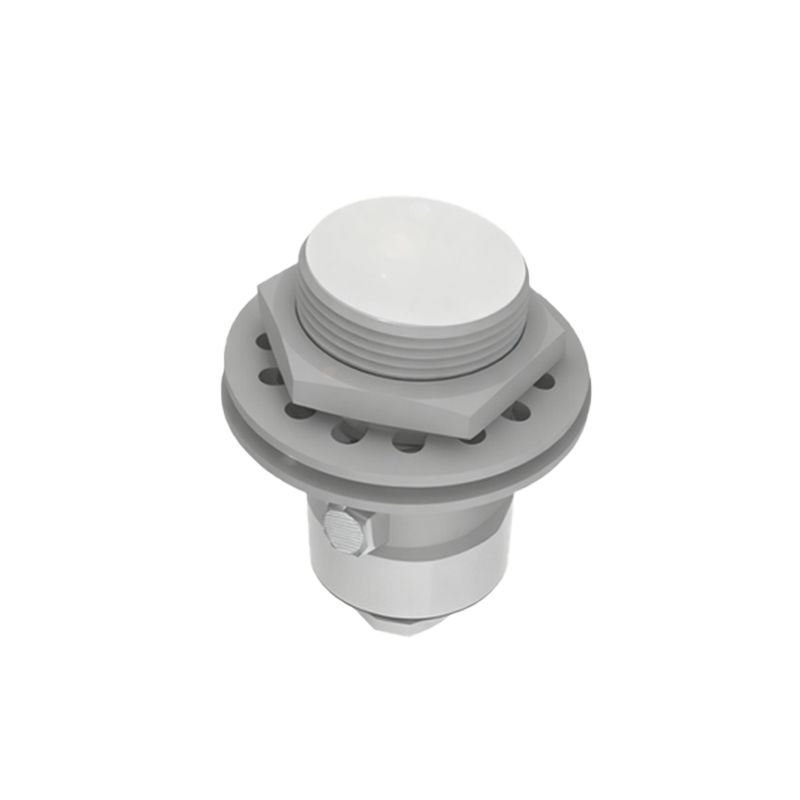
Ultimately, the goal is to balance detection accuracy with durability. Consult manufacturer guidelines—such as those from Omron, Siemens, or Schneider Electric—for model-specific mounting recommendations. Properly located proximity sensors reduce downtime, enhance safety, and optimize automated workflows in industrial sliding door systems.