Proximity sensors have become indispensable in the realm of industrial automation, offering non-contact detection of objects with high reliability and precision. These devices operate by emitting an electromagnetic field or a beam of electromagnetic radiation, and then detecting changes in the field or return signal. The primary advantage is the absence of physical contact with the target, which eliminates mechanical wear and tear, thereby enhancing longevity and reducing maintenance costs.
There are several fundamental types of proximity sensors, each suited to specific applications. Inductive proximity sensors are widely used for detecting metallic objects. They generate an oscillating electromagnetic field from a coil. When a metallic target enters this field, it induces eddy currents, causing a change in oscillation amplitude. This change is detected by the sensor's circuitry, triggering an output signal. These sensors are ideal for harsh industrial environments involving machinery like CNC machines, robotic arms, and conveyor systems, where they perform tasks such as position verification, counting, and end-of-travel detection.
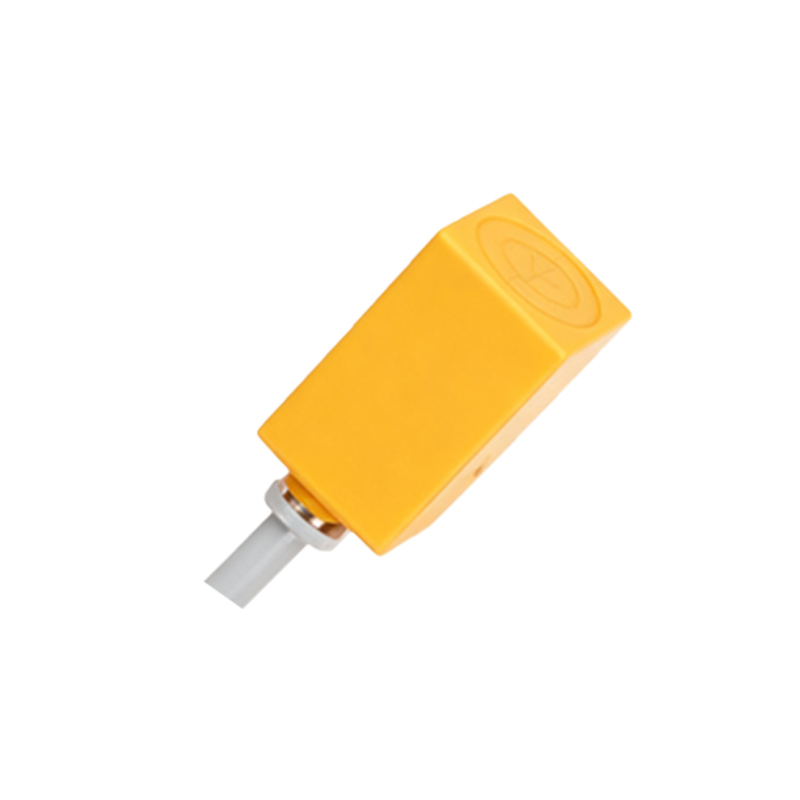
Capacitive proximity sensors, on the other hand, can detect both metallic and non-metallic materials, including liquids, powders, and plastics. They function by measuring changes in capacitance between the sensor and the target. When an object approaches the sensor's active surface, it alters the dielectric constant of the surrounding space, leading to a detectable change in capacitance. This makes them perfect for level detection in tanks, material handling, and packaging applications where diverse materials are present.
Ultrasonic proximity sensors utilize sound waves beyond the human hearing range. They emit high-frequency ultrasonic pulses and measure the time taken for the echo to return after reflecting off an object. This time-of-flight principle allows for precise distance measurement and detection, regardless of the object's color, transparency, or material composition (except for sound-absorbing materials). Common applications include palletizing, obstacle detection in automated guided vehicles (AGVs), and liquid level sensing in clear or opaque containers.
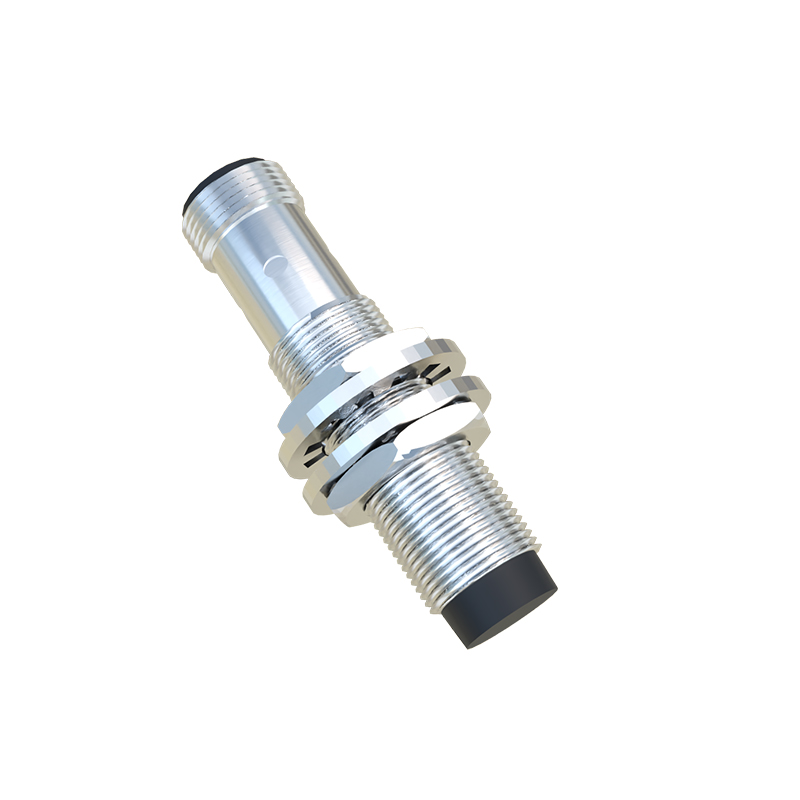
Photoelectric sensors, though sometimes categorized separately, function as proximity devices in many contexts. They employ a light emitter (usually LED or laser) and a receiver. When an object interrupts or reflects the light beam, the receiver detects the change. The through-beam, retro-reflective, and diffuse-reflective variants offer solutions for long-range detection, even in challenging environmental conditions with dust or mild contamination. They are extensively used in packaging lines, safety systems (light curtains), and object counting.
The selection of an appropriate proximity sensor depends on multiple factors: the nature of the target material, required sensing distance, environmental conditions (temperature, humidity, presence of contaminants), response speed, and output type (PNP/NPN, analog, IO-Link). Modern sensors increasingly feature smart capabilities, such as IO-Link communication, which allows for parameter adjustment, diagnostics, and integration into Industry 4.0 and Industrial Internet of Things (IIoT) frameworks. This enables predictive maintenance, real-time monitoring, and data-driven optimization of production processes.
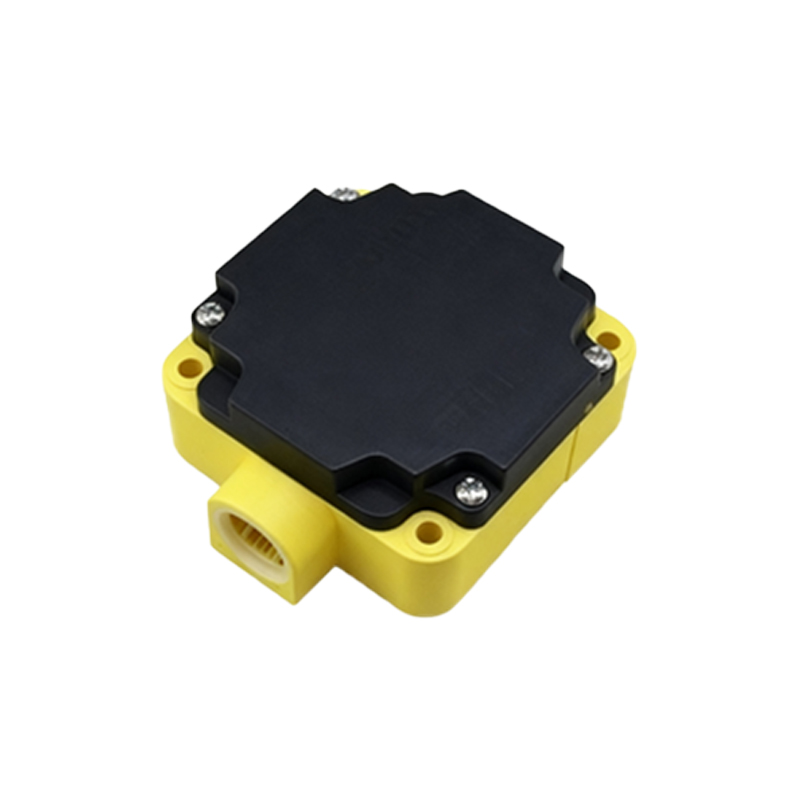
In automotive manufacturing, proximity sensors ensure precise assembly by verifying the presence of components like pistons or gears. In food and beverage processing, capacitive sensors monitor fill levels without contact, maintaining hygiene standards. In material handling warehouses, they guide robots and sort packages efficiently. Their robustness allows operation in extreme temperatures and washdown conditions, meeting IP67, IP68, or IP69K ratings.
Despite their robustness, proper installation is crucial. Factors like sensor mounting, mutual interference between multiple sensors, and the influence of surrounding metals (for inductive types) must be considered. Shielding and correct alignment prevent false triggering and ensure stable operation. Regular functional checks are part of a comprehensive maintenance strategy, though their solid-state design typically ensures a long operational life.
Looking ahead, advancements in miniaturization, energy efficiency, and sensing intelligence will further expand their applications. The integration of artificial intelligence for pattern recognition in sensor data and enhanced wireless connectivity will push the boundaries of what automated systems can achieve. Proximity sensors, though often unseen, are fundamental enablers of efficiency, safety, and innovation in modern industrial automation, forming the sensory backbone of smart factories.