In the realm of industrial automation and control systems, proximity sensors are indispensable components. Their primary function is to detect the presence or absence of an object without physical contact, making them crucial for tasks ranging from object counting and positioning to safety interlocks. When it comes to procurement, one of the most frequent inquiries from engineers and purchasing managers is: "What determines the price of a proximity switch?" The cost is not a single figure but a complex equation influenced by a multitude of technical, commercial, and application-specific factors.
Firstly, the underlying sensing technology is a primary cost driver. The most common types include inductive, capacitive, and ultrasonic sensors. Inductive sensors, used for detecting metallic objects, are generally the most cost-effective for standard applications. Capacitive sensors, capable of detecting both metallic and non-metallic materials (like liquids or plastics), often come at a moderate price premium due to their more complex circuitry. Ultrasonic sensors, offering longer sensing ranges and the ability to detect various materials regardless of color or transparency, typically command a higher price point due to sophisticated sound wave processing electronics.
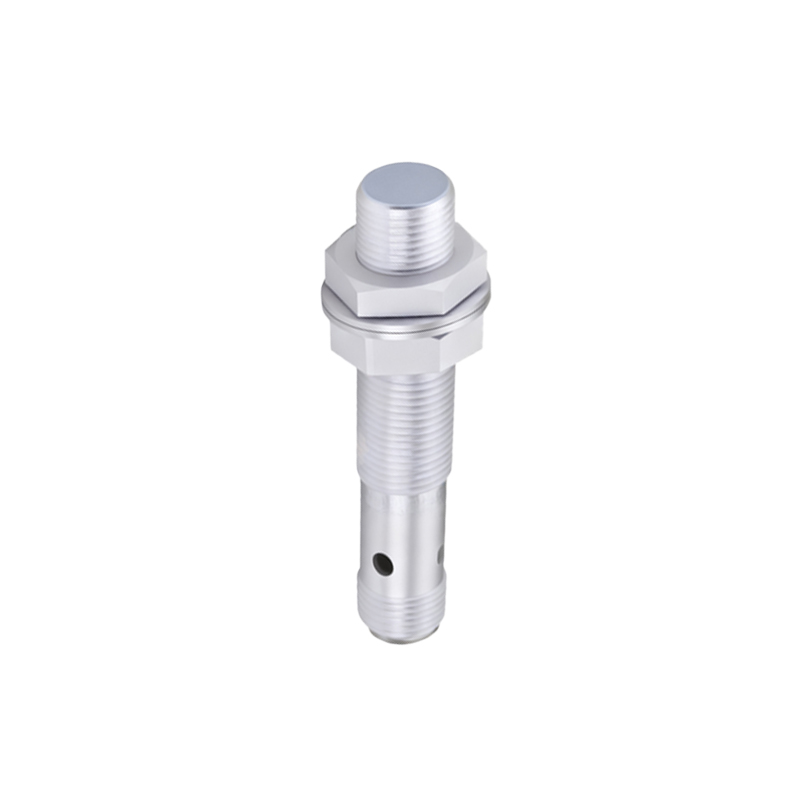
Secondly, performance specifications directly correlate with price. Key parameters include sensing range, switching frequency, and housing material. A sensor with a standard 5mm range will be less expensive than one with a 20mm or 50mm range. Similarly, a high-speed sensor designed for rapid production lines, with a switching frequency of 5 kHz, will cost more than a standard 100 Hz model. The housing material also plays a role; rugged, stainless-steel housings (IP67, IP69K ratings) for harsh environments (washdown, chemical exposure) are significantly more expensive than standard plastic (PBT) or nickel-plated brass housings for benign factory settings.
Output configuration is another critical factor. Basic two-wire AC/DC sensors are usually cheaper. Three-wire DC sensors (PNP or NPN output) offer more stable performance and are standard for programmable logic controller (PLC) interfaces, falling into a mid-range price bracket. Sensors with analog outputs (4-20mA, 0-10V) or IO-Link digital communication capabilities, which provide advanced diagnostics and parameterization, represent the higher end of the price spectrum. The inclusion of special features like short-circuit protection, reverse polarity protection, and LED status indicators also adds incremental cost.
Brand reputation and supply chain considerations are substantial commercial factors. Established global brands like Siemens, Omron, Pepperl+Fuchs, and Balluff often price their sensors higher, justified by extensive R&D, proven reliability, global warranty, and comprehensive technical support. In contrast, generic or regional brands may offer similar specifications at a lower initial cost, though potentially with trade-offs in long-term durability, consistency, and availability of spare parts. Furthermore, supply chain dynamics, such as raw material costs (e.g., copper, semiconductors) and logistical expenses, cause market-wide price fluctuations.
Finally, the total cost of ownership (TCO) must be evaluated beyond the unit price. A cheaper sensor that fails prematurely can lead to costly production downtime, maintenance labor, and lost output. Therefore, investing in a slightly more expensive, high-quality sensor from a reliable supplier often proves more economical over the lifecycle of a machine. Factors like mean time between failures (MTBF), environmental suitability, and ease of integration all contribute to the true cost.
In conclusion, the price of a proximity switch is a reflection of its technology, performance, robustness, and brand value. A thorough analysis of the application requirements—target material, required sensing distance, environmental conditions, needed output signal, and required reliability—is essential for selecting a sensor that offers the optimal balance between performance and cost. Consulting directly with sensor manufacturers or authorized distributors for specific quotations based on detailed application data is always the most accurate approach to budgetary planning.