In industrial automation and process control, proximity switch sensors are indispensable components for detecting the presence or absence of objects without physical contact. Among these, high-temperature proximity switches are specifically engineered to operate reliably in extreme thermal environments, such as those found in metal processing, foundries, glass manufacturing, and automotive welding lines. This article delves into the critical aspects of welding and integrating these robust sensors, ensuring optimal performance and longevity in demanding applications.
High-temperature proximity sensors typically utilize inductive, capacitive, or magnetic sensing principles, with inductive types being most common for metal detection. These sensors are constructed with specialized materials, including heat-resistant housings (often made of stainless steel, PEEK, or ceramic), high-temperature-rated cables, and thermally stable electronic components. The sensing face is designed to withstand direct exposure to radiant heat or incidental contact with hot objects. Operating temperature ranges can vary, with many models reliably functioning from -25°C to +200°C, and some specialized versions enduring up to +250°C or higher for short periods.
The process of welding these sensors into place, such as onto machinery frames, robotic arms, or furnace fixtures, requires meticulous attention to detail. Improper installation can lead to premature failure, inaccurate sensing, or even safety hazards. Key considerations for welding high-temperature proximity switches include:
1. Sensor Selection and Preparation: Prior to any welding, verify the sensor’s datasheet for its maximum allowable body temperature during welding. Some sensors may require temporary removal of internal electronics or the use of protective heat sinks to prevent damage from weld heat transfer. Ensure the mounting bracket or fixture is compatible with the sensor's housing material to avoid galvanic corrosion.
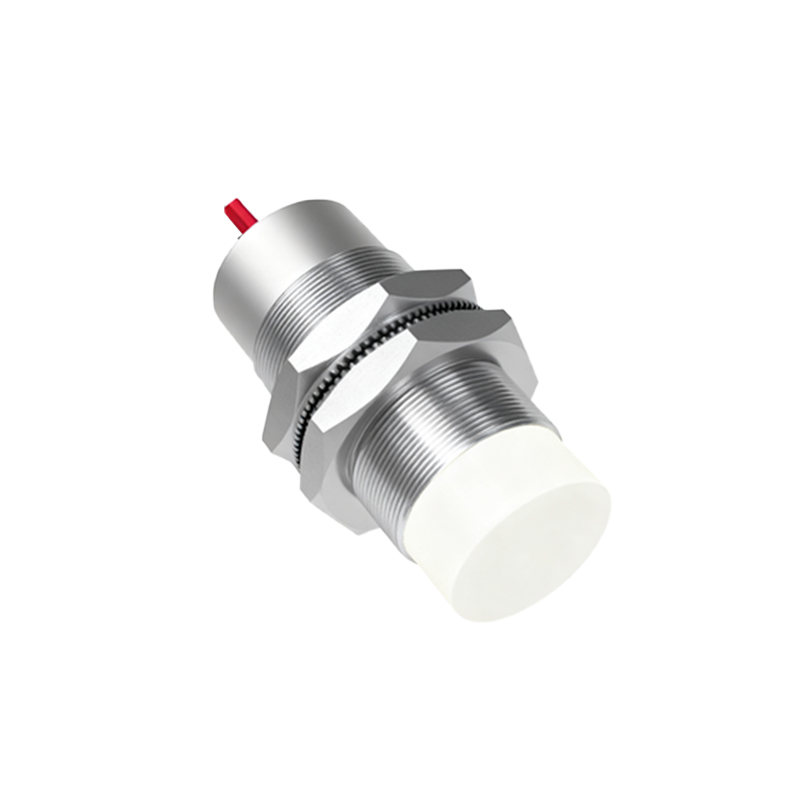
2. Welding Method and Heat Management: Tungsten Inert Gas (TIG) welding is often preferred for its precision and controlled heat input, minimizing the risk of overheating the sensor. Resistance welding is another viable option. Crucially, the weld must be performed at a sufficient distance from the sensor's active sensing element and cable entry points. Applying a wet rag or using a dedicated heat-absorbing paste around the sensor body during welding can effectively draw heat away from critical areas. The goal is to achieve a strong, secure mount without subjecting the internal components to temperatures exceeding their limits.
3. Cable Management and Protection: The integral cable or connector is a vulnerable point. It must be routed away from the immediate weld zone and protected from spatter using appropriate covers or tapes. In high-temperature ambient conditions, ensure the cable rating matches or exceeds the continuous environmental temperature. Using mineral-insulated (MI) cables or high-temperature silicone-jacketed cables is common practice. Secure the cable with high-temperature cable ties or clamps to prevent stress on the connection points.
4. Post-Weld Inspection and Testing: After welding and allowing the assembly to cool naturally, conduct a thorough visual inspection for cracks, spatter on the sensing face, or cable damage. Before powering the system, check the sensor's electrical characteristics, such as its switching output and leakage current, with a multimeter. Finally, perform a functional test by introducing a target object at the specified sensing distance under ambient conditions to verify proper operation.
Beyond the welding process, successful integration involves understanding the sensor's environment. Factors like thermal cycling, vibration, and exposure to contaminants (oil, coolant, metallic dust) can impact performance. Selecting sensors with appropriate ingress protection (IP67, IP69K) and robust construction is vital. Regular maintenance, including cleaning the sensing face of accumulated debris and checking for loose mounting hardware, is essential for sustained reliability.
In conclusion, welding high-temperature proximity switch sensors is a task that blends mechanical skill with technical knowledge of the sensor's limitations. By carefully selecting the right sensor, employing controlled welding techniques with proactive heat management, and adhering to rigorous post-installation checks, engineers and technicians can ensure these critical devices deliver precise, fail-safe detection in the harshest industrial environments, thereby enhancing process safety, efficiency, and automation system uptime.