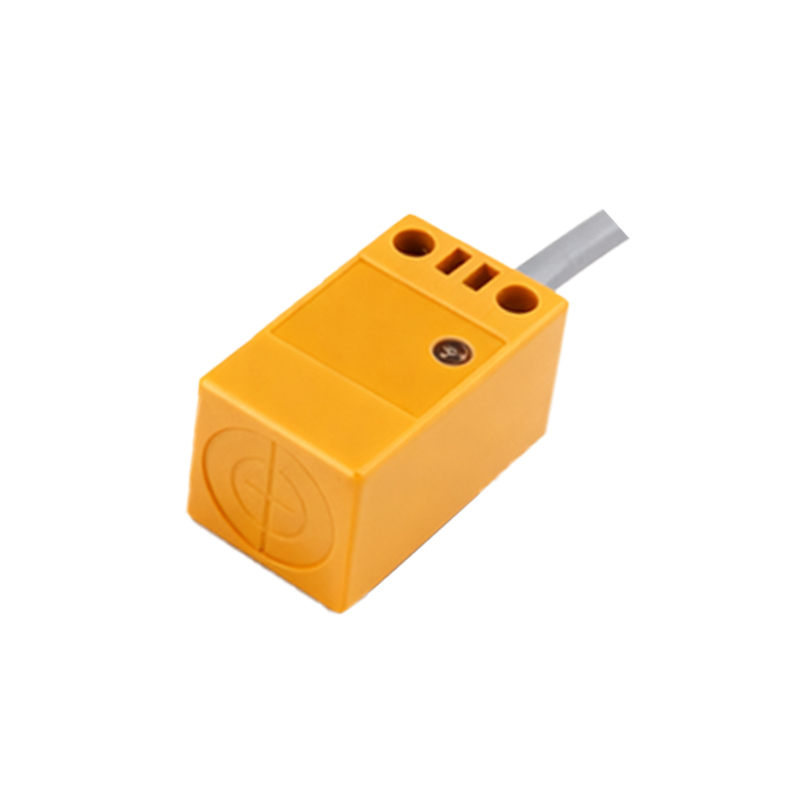
In the world of industrial automation, sensing technologies play a pivotal role in ensuring precision, safety, and efficiency. Among the various types of sensors available, distance sensors and proximity sensors are often mentioned, sometimes interchangeably, leading to confusion. This article aims to clarify the distinctions and similarities between these two critical components, providing a clear understanding for engineers, technicians, and industry professionals.
To begin, let's define each sensor type. A proximity sensor is a device that detects the presence or absence of an object within a specific range without any physical contact. It typically operates based on electromagnetic fields, capacitive effects, or inductive principles. Common examples include inductive proximity sensors, which detect metallic objects, and capacitive proximity sensors, which can sense both metallic and non-metallic materials. The key characteristic of a proximity sensor is its binary output: it signals whether an object is "near" or "not near" based on a preset threshold. This makes it ideal for applications like object detection, position verification, and safety interlocks in machinery.
On the other hand, a distance sensor, often referred to as a ranging sensor, measures the exact distance between the sensor and an object. It provides a continuous output, such as an analog voltage or digital signal, that corresponds to the measured distance. Technologies used in distance sensors include ultrasonic, laser, infrared, and time-of-flight (ToF) methods. For instance, ultrasonic sensors emit sound waves and calculate distance based on the time taken for the echo to return, while laser sensors use light beams for high-precision measurements. Distance sensors are essential in applications requiring precise spatial awareness, such as robotic navigation, level monitoring, and automated guided vehicles (AGVs).
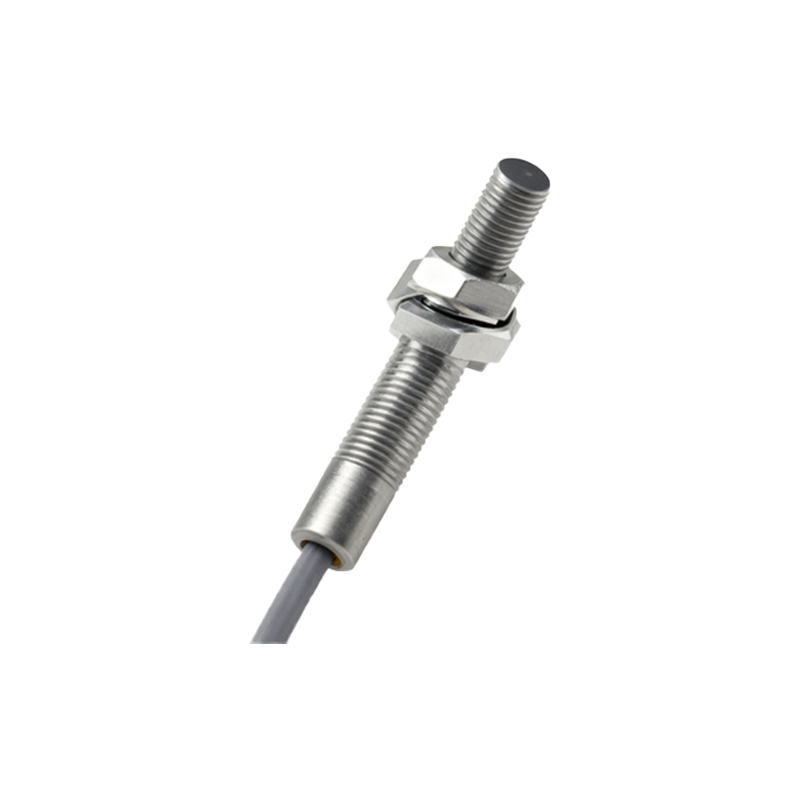
While both sensors deal with spatial relationships, their core functions differ significantly. Proximity sensors are primarily concerned with detection within a limited zone, offering a simple on/off response. They are cost-effective, robust, and easy to integrate into control systems, making them suitable for high-speed operations where only presence detection is needed. In contrast, distance sensors provide quantitative data, enabling systems to gauge exact positions or movements. This capability is crucial for tasks that involve monitoring, mapping, or adaptive control, where dynamic adjustments based on distance are necessary.
However, there is overlap in certain scenarios. Some advanced proximity sensors can offer rudimentary distance information through analog outputs, blurring the lines between the two categories. Similarly, distance sensors can be configured to act as proximity detectors by setting specific distance thresholds. Despite this, the fundamental design intent remains distinct: proximity sensors for qualitative presence, and distance sensors for quantitative measurement.
In industrial applications, choosing the right sensor depends on the requirements. For example, in a conveyor system where items need to be counted or sorted based on presence, a proximity sensor is often sufficient. But in a robotic arm that must pick and place objects at varying heights, a distance sensor ensures accurate positioning. Environmental factors also influence selection; proximity sensors may perform better in dusty or humid conditions, while distance sensors like lasers might be sensitive to interference from light or reflective surfaces.
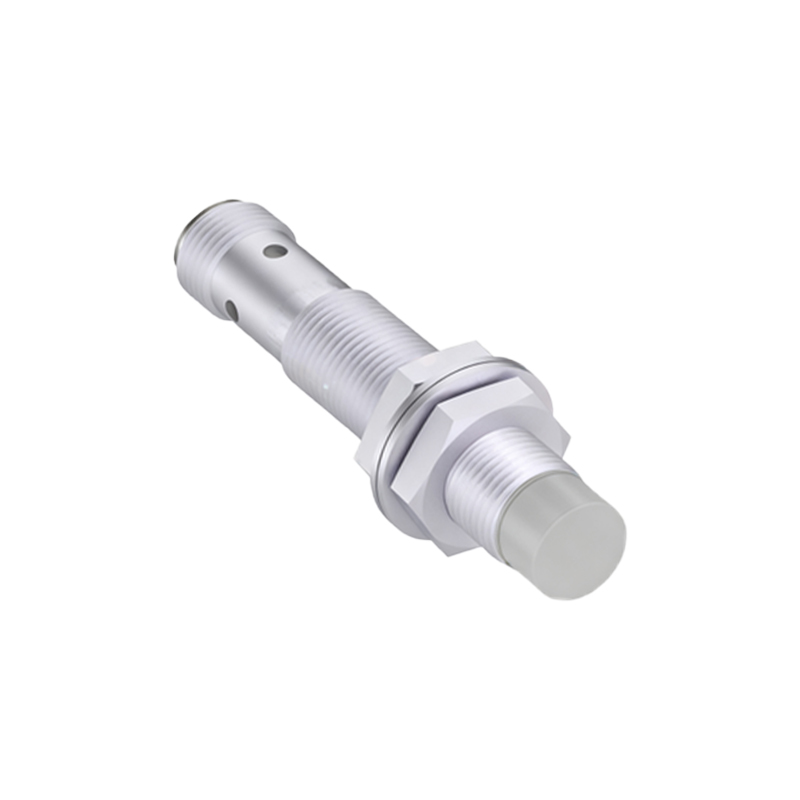
From a technical perspective, the operating principles further highlight differences. Inductive proximity sensors rely on changes in an electromagnetic field, making them immune to non-metallic obstructions but limited to metallic targets. Capacitive versions can detect a wider range of materials but may be affected by moisture. Distance sensors, such as ultrasonic types, are versatile for many materials but can be influenced by temperature or air turbulence. Laser-based sensors offer high accuracy but at a higher cost and complexity.
In summary, while distance sensors and proximity sensors share the common goal of sensing objects in space, they are not the same. Proximity sensors excel at simple, reliable detection within a defined range, whereas distance sensors provide detailed, continuous measurement for precise control. Understanding these differences is key to optimizing system design and performance in electrical and automation engineering. As technology evolves, hybrid solutions may emerge, but the core distinctions will remain relevant for effective application in industries ranging from manufacturing to automotive.
For professionals in the field, it's essential to evaluate factors like range, accuracy, response time, and environmental conditions when selecting a sensor. By doing so, one can leverage the strengths of each type to enhance operational efficiency and innovation. Always refer to manufacturer specifications and industry standards to ensure compatibility and safety in your projects.