Laser sensors are widely used in industrial automation, robotics, and precision measurement due to their high accuracy and reliability. However, one common challenge faced by engineers and technicians is managing the voltage supplied to these sensors. Excessive voltage can lead to overheating, reduced lifespan, or even permanent damage. Therefore, understanding how to effectively reduce voltage in laser sensors is crucial for optimal performance and longevity. This article explores practical methods to achieve voltage reduction, ensuring your laser sensors operate safely and efficiently.
First, it is essential to understand why voltage reduction might be necessary. Laser sensors typically have specified operating voltage ranges provided by manufacturers. Operating outside these ranges, especially at higher voltages, can cause issues such as increased power consumption, thermal stress on components, and signal instability. In some cases, environmental factors or power supply fluctuations may expose sensors to voltages beyond their tolerance. By implementing voltage reduction techniques, you can mitigate these risks and enhance sensor durability.
One of the most straightforward methods to reduce voltage is by using voltage regulators or DC-DC converters. These devices can step down the input voltage to a desired level suitable for the laser sensor. For instance, if your power supply outputs 12V but your sensor requires 5V, a buck converter can efficiently lower the voltage while minimizing energy loss. When selecting a regulator, consider factors like efficiency, current capacity, and thermal management to ensure compatibility with your sensor's specifications. Additionally, linear regulators are an option for low-power applications, though they may dissipate more heat compared to switching regulators.
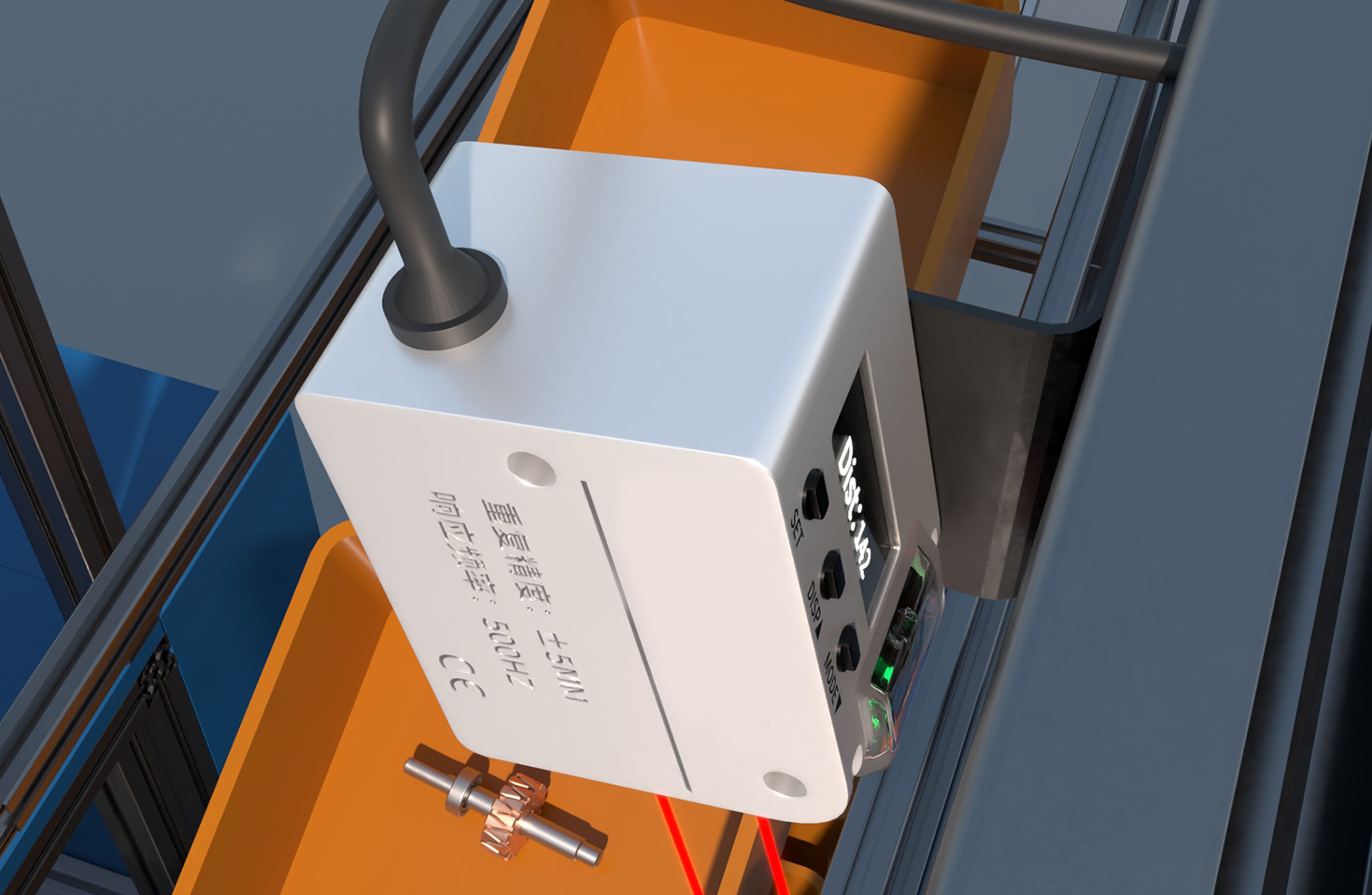
Another effective approach involves incorporating resistors in series with the laser sensor circuit. By adding a resistor, you can create a voltage drop that reduces the voltage reaching the sensor. This method is simple and cost-effective for low-current applications. To calculate the required resistor value, use Ohm's Law: R = (V_source - V_sensor) / I, where R is the resistance, V_source is the supply voltage, V_sensor is the desired sensor voltage, and I is the current drawn by the sensor. However, note that resistors generate heat and may not be suitable for high-power setups, as they can affect overall efficiency.
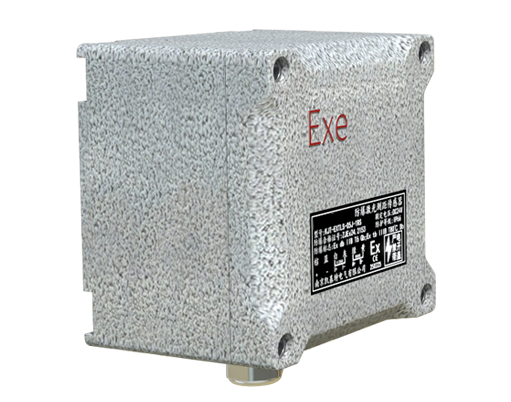
Pulse-width modulation (PWM) is a versatile technique for voltage control in laser sensors. PWM works by rapidly switching the power supply on and off, adjusting the duty cycle to achieve an average voltage lower than the supply voltage. This method is commonly used in digital systems and microcontrollers, allowing precise voltage adjustment without significant energy loss. Implementing PWM requires a controller circuit or microcontroller, making it ideal for automated systems where dynamic voltage adjustment is needed based on sensor feedback or operational conditions.
In some cases, voltage reduction can be achieved through power supply selection or modification. Using a power supply with adjustable output voltage allows you to set the voltage directly to match the sensor's requirements. Alternatively, if multiple sensors are connected in a system, consider designing a power distribution network with voltage dividers or dedicated power rails for different components. This approach ensures each sensor receives the appropriate voltage, preventing overvoltage issues. Always verify that the power supply has adequate current capacity and stability to avoid voltage drops under load.
Thermal management also plays a role in voltage reduction, as overheating can indirectly cause voltage-related problems. Ensure proper cooling for laser sensors and associated electronics, such as using heat sinks or fans. High temperatures can increase resistance in circuits, leading to voltage fluctuations. By maintaining a stable operating temperature, you help keep voltage levels consistent and within safe limits.

Finally, regular maintenance and monitoring are key to preventing voltage issues. Use multimeters or oscilloscopes to check voltage levels at the sensor terminals periodically. Implement protection circuits like fuses or transient voltage suppressors to guard against sudden spikes. If your laser sensor includes built-in voltage regulation features, refer to the manufacturer's guidelines for configuration.
In summary, reducing voltage in laser sensors involves a combination of hardware solutions, circuit design, and proactive maintenance. Methods such as voltage regulators, resistors, PWM, and power supply adjustments offer flexible ways to achieve safe operating voltages. By applying these techniques, you can extend the life of your laser sensors, improve accuracy, and reduce downtime in industrial applications. Always prioritize safety and consult technical documentation when implementing changes to ensure compatibility and reliability.