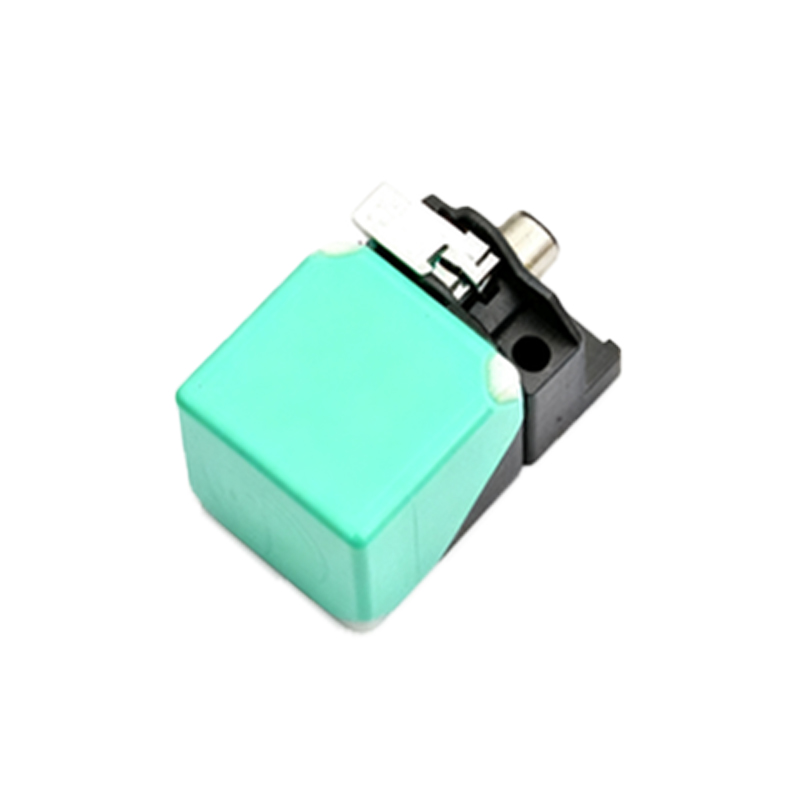
In the realm of industrial automation, proximity sensors are indispensable components for non-contact detection, ensuring precise and reliable operation in diverse applications. Among these, inductive proximity sensors stand out for their robustness and immunity to environmental factors like dust, oil, and moisture. A specific and highly valuable variant within this category is the inductive proximity sensor designed to detect non-ferrous metal actuators, commonly referred to in technical parlance as "non-ferrous" or "all-metal" sensing models. This article delves into the operational principles, key characteristics, advantages, and typical applications of these specialized sensors, providing a comprehensive overview for engineers and technicians.
At its core, an inductive proximity sensor generates an oscillating electromagnetic field via a coil wound around a ferrite core at its active face. When a metallic object enters this field, eddy currents are induced within the object. These eddy currents cause a power loss in the oscillator circuit, which is detected and triggers a change in the sensor's output state (e.g., switching a solid-state output). The fundamental distinction of a sensor optimized for non-ferrous metals lies in its oscillator design and evaluation circuitry. Standard inductive sensors are typically tuned for optimal performance with ferrous metals like iron and steel, which have high magnetic permeability. This high permeability concentrates the sensor's magnetic field, allowing detection at longer ranges. Non-ferrous metals such as aluminum, copper, brass, and stainless steel (austenitic grades like 304 or 316) have low magnetic permeability. Consequently, they do not concentrate the magnetic field effectively and generate weaker eddy currents, making them more challenging to detect with standard units.
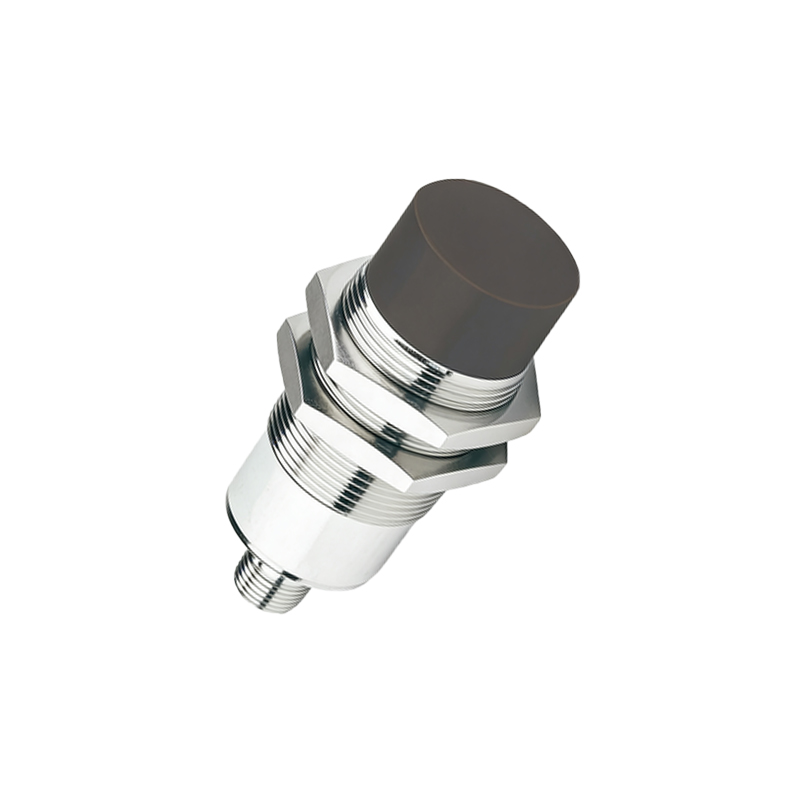
Sensors engineered for non-ferrous metals address this challenge through enhanced sensitivity. They often operate at higher frequencies or utilize specialized coil designs to generate a stronger or more focused electromagnetic field. This increased sensitivity allows them to reliably detect the weaker eddy current damping caused by low-permeability metals. A critical specification to note is the reduction factor. Data sheets for these sensors provide a reduction factor (often denoted as a value less than 1.0) for various metals relative to mild steel (which typically has a factor of 1.0). For instance, an aluminum actuator might have a reduction factor of 0.3 to 0.5. This means the usable sensing range for that aluminum target is only 30% to 50% of the sensor's nominal sensing range specified for mild steel. Engineers must carefully calculate the effective sensing distance when selecting and installing these sensors.
The advantages of using dedicated non-ferrous inductive proximity sensors are significant. Firstly, they enable reliable detection in applications where only non-ferrous materials are present, such as in aluminum machining lines, copper wire processing, or food and beverage equipment using stainless steel. Secondly, they offer a solution for environments where both ferrous and non-ferrous items may pass by, but detection of the non-ferrous item is specifically required. Their solid-state construction ensures long service life with no mechanical wear from physical contact. Furthermore, like standard inductive sensors, they are highly resistant to contamination, making them suitable for harsh industrial environments.
Typical applications are widespread across manufacturing and processing industries. Common use cases include: position verification of aluminum pistons in pneumatic cylinders; detecting the presence of cans or lids on filling lines in the packaging industry; monitoring the position of stainless steel tools in CNC machining centers; counting non-ferrous parts on conveyor belts; and ensuring the proper seating of brass fittings in assembly fixtures. In automotive manufacturing, they are used to sense aluminum components during engine assembly. It is also crucial in applications involving different metal grades, such as verifying the presence of a specific stainless steel valve in a system that may also contain ferrous piping.
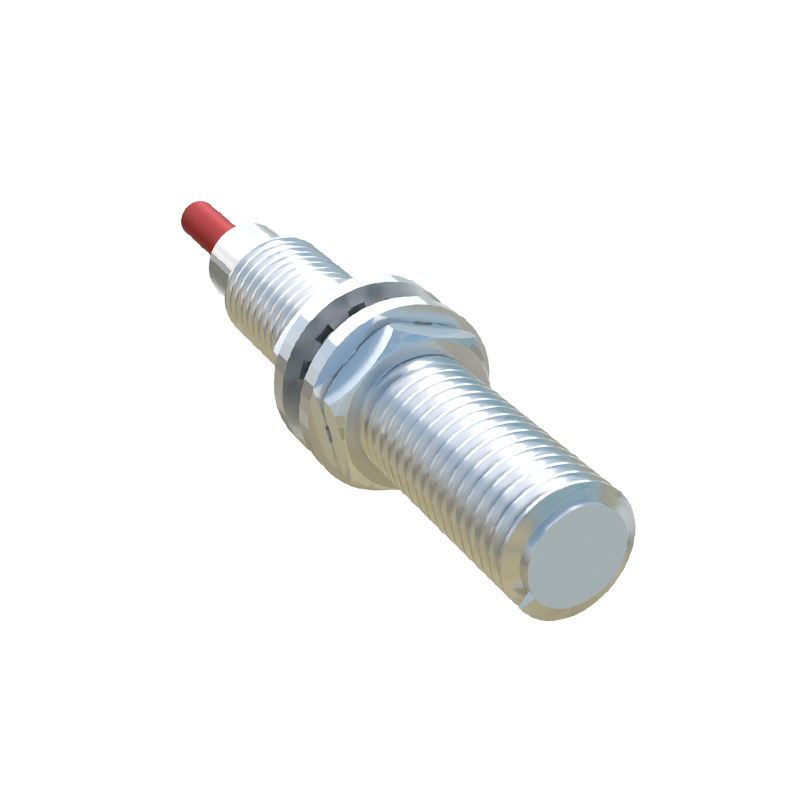
When integrating these sensors, several practical considerations must be observed. The most critical is accounting for the reduced effective sensing distance based on the target material's reduction factor. Mounting in metal (non-ferrous or ferrous) surfaces requires flush-mountable or shielded designs to prevent side-effects from the surrounding metal. The sensor must be selected with an appropriate housing material (e.g., stainless steel) and ingress protection (IP) rating for the environment. Temperature stability is another factor, as the electrical properties of both the sensor and the target metal can vary with temperature, potentially affecting sensing consistency.
In conclusion, inductive proximity sensors for non-ferrous metal actuators fill a vital niche in industrial sensing. By understanding their operating principle centered on enhanced sensitivity to eddy current damping in low-permeability metals, and by meticulously applying correction factors for sensing range, engineers can deploy these devices to achieve reliable, maintenance-free detection. Their ability to perform in demanding conditions where other sensor types might fail makes them a cornerstone of modern automated systems handling aluminum, copper, brass, and specific stainless steels.