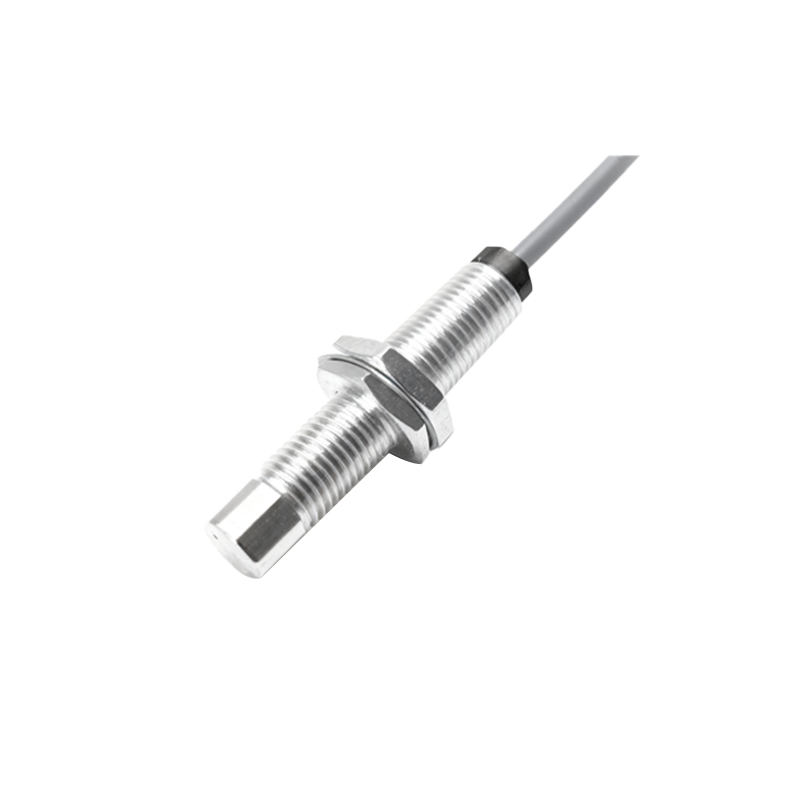
Glass proximity sensors represent a critical component in modern industrial automation, offering unique advantages in environments where precision, durability, and reliability are paramount. These sensors utilize advanced sensing technologies, such as capacitive or optical principles, to detect the presence or absence of glass or other transparent materials without physical contact. One of the standout features of glass proximity sensors is their exceptional resistance to harsh conditions, including exposure to chemicals, extreme temperatures, and moisture. This makes them ideal for applications in manufacturing lines, packaging systems, and cleanroom facilities where traditional sensors might fail.
The design of glass proximity sensors often incorporates high-quality materials like borosilicate glass or tempered glass, which enhance their longevity and performance. These materials provide excellent transparency and minimal signal interference, ensuring accurate detection even in challenging settings. For instance, in the automotive industry, these sensors are used to monitor glass panels during assembly, preventing defects and improving quality control. Similarly, in pharmaceutical production, they help maintain sterile conditions by detecting glass containers on conveyor belts without contamination risks.
Another key feature is their high sensitivity and fast response time. Glass proximity sensors can detect minute changes in proximity, allowing for real-time adjustments in automated processes. This capability reduces downtime and increases efficiency, as machines can instantly respond to variations in material flow. Additionally, many models offer adjustable sensing ranges and output options, such as analog or digital signals, providing flexibility for integration with various control systems. This adaptability ensures compatibility with PLCs (Programmable Logic Controllers) and other industrial electronics, streamlining operations.
Energy efficiency is also a notable aspect of modern glass proximity sensors. With low power consumption and minimal maintenance requirements, they contribute to sustainable manufacturing practices. Their non-contact nature eliminates wear and tear, further extending their operational lifespan. In summary, glass proximity sensors combine robustness, precision, and versatility, making them indispensable tools in industries that demand high standards of automation and safety. As technology advances, these sensors continue to evolve, incorporating smart features like IoT connectivity for predictive maintenance and data analytics.