In the realm of electrical engineering and industrial automation, proximity sensors have emerged as indispensable components, revolutionizing how machines interact with their environments. These devices, designed to detect the presence or absence of objects without physical contact, play a critical role in enhancing efficiency, safety, and precision across various applications. From manufacturing assembly lines to smart home systems, proximity sensors facilitate seamless operations by providing real-time data that drives automated decision-making.
At their core, proximity sensors operate on principles such as electromagnetic induction, capacitance, or photoelectric effects. Inductive sensors, for instance, are widely used in metal detection scenarios, generating an electromagnetic field that triggers a response when a metallic object enters its range. Capacitive sensors, on the other hand, can detect both metallic and non-metallic materials by measuring changes in capacitance caused by the object's dielectric properties. Photoelectric sensors utilize light beams to sense objects, making them ideal for applications requiring long-range detection or transparency identification. Each type offers distinct advantages, allowing engineers to select the most suitable sensor based on factors like material composition, environmental conditions, and required sensing distance.
The applications of proximity sensors are vast and diverse. In industrial settings, they are integral to automated machinery, where they monitor object positioning, count items on conveyor belts, and ensure proper alignment in robotic arms. This not only boosts productivity but also minimizes human error and reduces downtime. In the automotive industry, proximity sensors contribute to advanced driver-assistance systems (ADAS), enabling features like parking assistance and collision avoidance by detecting nearby obstacles. Additionally, in consumer electronics, these sensors enhance user experience by enabling touchless controls in devices such as smartphones and automatic faucets, promoting hygiene and convenience.
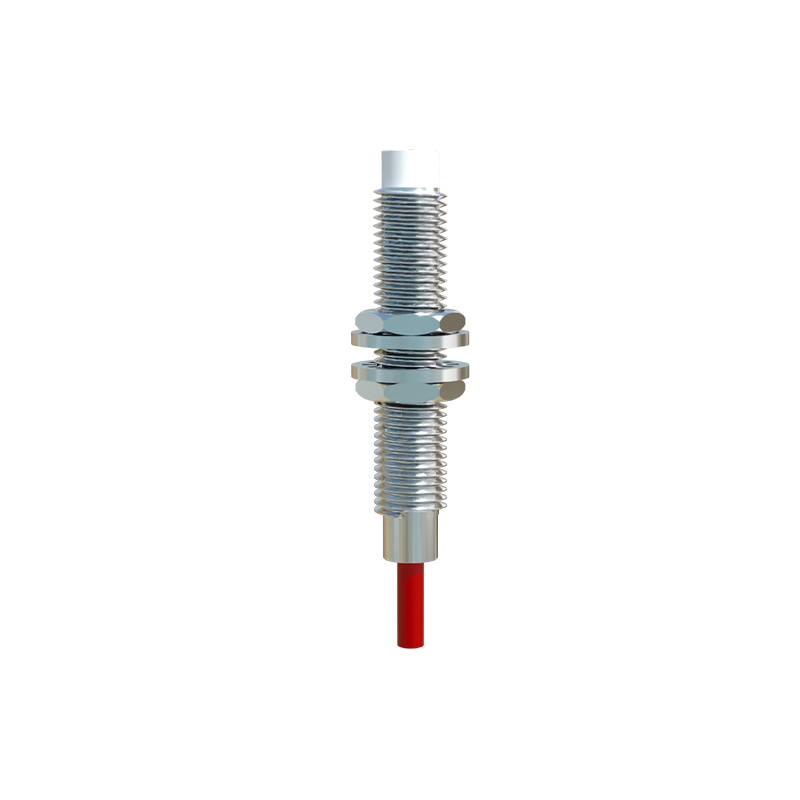
One of the key benefits of proximity sensors is their ability to operate in harsh environments where traditional mechanical switches might fail. They are often designed to withstand extreme temperatures, moisture, dust, and vibrations, ensuring reliable performance in challenging conditions like mining operations or outdoor installations. Moreover, their non-contact nature reduces wear and tear, leading to longer lifespans and lower maintenance costs. This durability makes them a cost-effective solution for long-term projects, aligning with sustainability goals by minimizing waste and energy consumption.
From a technical perspective, integrating proximity sensors into electrical systems requires careful consideration of factors such as sensing range, response time, and output type. Modern sensors often feature digital outputs like NPN or PNP transistors, which interface easily with programmable logic controllers (PLCs) and microcontrollers. This compatibility allows for seamless data exchange within larger automation networks, enabling real-time monitoring and control. Engineers must also account for potential interference from other electronic devices, employing shielding or filtering techniques to ensure accurate readings. As technology advances, innovations like IoT-enabled sensors are emerging, offering wireless connectivity and data analytics capabilities for predictive maintenance and smart grid applications.
In summary, proximity sensors are pivotal in driving the evolution of electrical systems toward greater automation and intelligence. Their versatility, reliability, and precision make them essential tools for engineers seeking to optimize processes and enhance safety. As industries continue to embrace digital transformation, the demand for advanced sensing solutions is expected to grow, paving the way for further innovations in sensor technology. By understanding their functions and applications, professionals can leverage these devices to build more responsive and efficient systems, ultimately contributing to a smarter, more connected world.