In the realm of industrial automation and electrical engineering, proximity sensors are indispensable components for non-contact detection of objects. The performance, durability, and application suitability of these sensors are profoundly influenced by the materials used in their probe construction. This article delves into the common materials employed for proximity sensor probes, examining their properties, advantages, limitations, and ideal use cases.
The probe, or sensing face, is the critical interface between the sensor and its target. Material selection is paramount because it directly affects the sensor's sensing range, frequency response, environmental resistance, and longevity. The primary materials can be broadly categorized into plastics, metals, and ceramics.
Plastic Probes (Typically PBT, PPS, or PVDF)
Plastic probes, often made from engineering thermoplastics like Polybutylene Terephthalate (PBT) or Polyphenylene Sulfide (PPS), are widely used in standard inductive and capacitive proximity sensors. These materials offer excellent electrical insulation, which is crucial for preventing interference and short circuits. They are inherently resistant to many chemicals, including oils, coolants, and dilute acids, making them suitable for general manufacturing environments. Their lightweight nature and ease of molding allow for complex probe shapes. However, their primary limitations are lower mechanical strength compared to metals and limited tolerance to extreme temperatures (typically up to 120-150°C). They can also be susceptible to wear in high-abrasion applications.
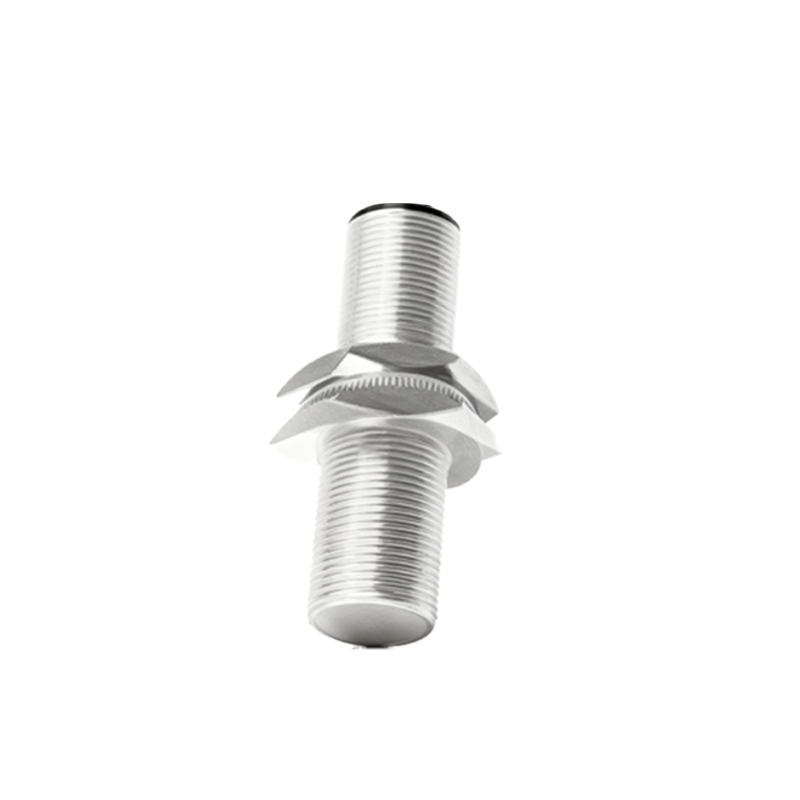
Metal Probes (Stainless Steel, Brass, Nickel-Plated Brass)
Metal probes, predominantly fabricated from stainless steel (e.g., 303, 304, or 316 grades), are the go-to choice for demanding environments. Austenitic stainless steels, particularly 316, provide superior corrosion resistance against water, chlorides, and various chemicals, ideal for food processing, marine, or pharmaceutical applications. Their high mechanical strength and hardness offer exceptional resistance to physical impact, abrasion, and cutting chips. Metal probes can also withstand higher temperatures. A key consideration with metallic probes, especially in inductive sensors, is the reduced effective sensing range. The metal housing slightly attenuates the electromagnetic field, necessitating derating factors specified by manufacturers. Brass, often nickel-plated, is another common choice, offering a good balance of corrosion resistance, machinability, and cost.
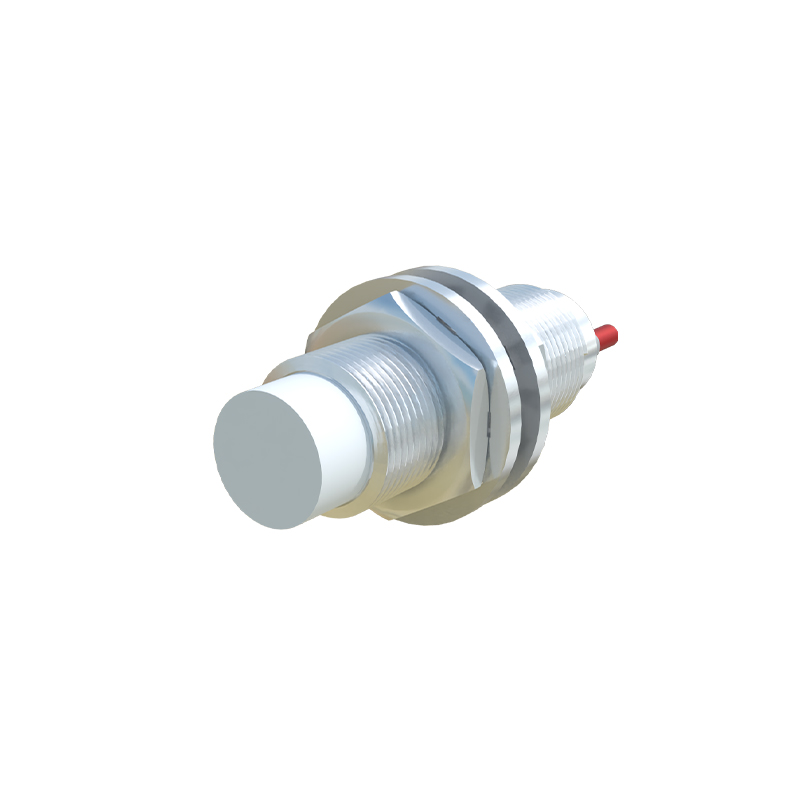
Ceramic Probes (Typically Aluminum Oxide - Al2O3)
Ceramic probes represent the premium tier for extreme conditions. Made from high-purity aluminum oxide, they exhibit exceptional resistance to aggressive chemicals, including strong acids and alkalis, that would rapidly degrade plastics or even stainless steel. They are extremely hard, offering unparalleled abrasion resistance against highly abrasive materials like sand, mineral ores, or fiberglass. Ceramics can also operate continuously at very high temperatures, often exceeding 200°C. The trade-offs include higher cost, brittleness (susceptibility to chipping from sharp impacts), and a more significant reduction in the sensing range for inductive sensors due to the material's properties.
Material Selection Criteria
Choosing the right probe material requires a systematic evaluation of the application:
1. Target Material: For inductive sensors, the target's metal properties are key, but the probe material must not interfere.
2. Operating Environment: Exposure to chemicals, temperature extremes, moisture, and washdown pressures (e.g., IP69K) dictates material choice. Stainless steel or ceramic is mandatory for harsh chemical or high-pressure cleaning.
3. Mechanical Stress: Consider risks of impact, abrasion from the target, or flying debris. Metal or ceramic probes are necessary for high-stress zones.
4. Required Sensing Range: Account for the derating factor associated with metal and ceramic housings during sensor selection and system design.
5. Industry Regulations: Food-grade (FDA compliant) or explosion-proof (ATEX/IECEx) certifications often require specific materials like 316 stainless steel.
Advanced and Specialized Materials
Beyond these core categories, specialized applications utilize unique materials. For example, PEEK (Polyether Ether Ketone) plastic probes are used in ultra-high-temperature and high-purity applications. For capacitive sensors detecting non-metals through a barrier, materials like PTFE (Teflon) with non-stick properties might be used.
In conclusion, there is no universal "best" material for a proximity sensor probe. The optimal selection is a calculated compromise between performance, environmental resistance, mechanical robustness, and cost. Understanding the intrinsic properties of PBT/PPS plastics, stainless steel, and aluminum oxide ceramics empowers engineers to specify sensors that ensure reliability, reduce downtime, and optimize system performance in diverse industrial settings, from clean conveyor lines to punishing foundry floors. Always consult the sensor manufacturer's technical data sheets for specific material specifications, temperature ratings, and sensing range derating curves.
SEO