In the realm of industrial automation and machinery design, the selection of sensing components is critical for ensuring reliability, precision, and optimal spatial integration. Among the diverse array of sensors available, the 8mm diameter proximity sensor equipped with a 3mm right-angle output cable represents a specialized and highly effective solution for constrained or complex mounting scenarios. This article delves into the technical specifications, operational principles, typical applications, and key selection criteria for this specific sensor configuration, providing a comprehensive guide for engineers and system integrators.
Proximity sensors, fundamentally, are non-contact devices designed to detect the presence or absence of a target object within their sensing range without physical contact. The 8mm form factor refers to the cylindrical barrel diameter of the sensor's sensing head. This compact size is a significant advantage in modern machinery where space is at a premium. It allows for installation in tight locations where larger sensors simply cannot fit, such as within compact grippers, on small actuator assemblies, or inside densely packed control panels. The sensing technology employed in these 8mm sensors is typically inductive, making them ideal for detecting metallic targets, primarily ferrous metals like steel and iron, though many models can also sense non-ferrous metals like aluminum, brass, and copper with a reduced sensing distance. The nominal sensing distance for a standard 8mm inductive proximity sensor is often 2mm, though this can vary slightly by manufacturer and target material.
The defining feature discussed here is the 3mm right-angle cable exit. Unlike standard axial (straight) cable exits or connector variants, the right-angle cable is bent at a 90-degree angle directly at the sensor body. The 3mm specification refers to the outer diameter of the flexible, shielded cable itself. This design offers profound mechanical and installation benefits. First, it drastically reduces the required rear clearance behind the sensor. In a panel or mounting bracket, a sensor with an axial cable needs significant space behind it for the cable to bend naturally. A right-angle cable eliminates this need, allowing the sensor to be mounted flush against a rear surface or very close to other components. This is invaluable in stackable modules or linear motion systems. Second, it provides superior strain relief and protects the cable connection point from excessive bending and vibration, which are common causes of cable failure in harsh industrial environments. The cable is typically rated for continuous flexing, oil resistance, and a wide temperature range, ensuring longevity.
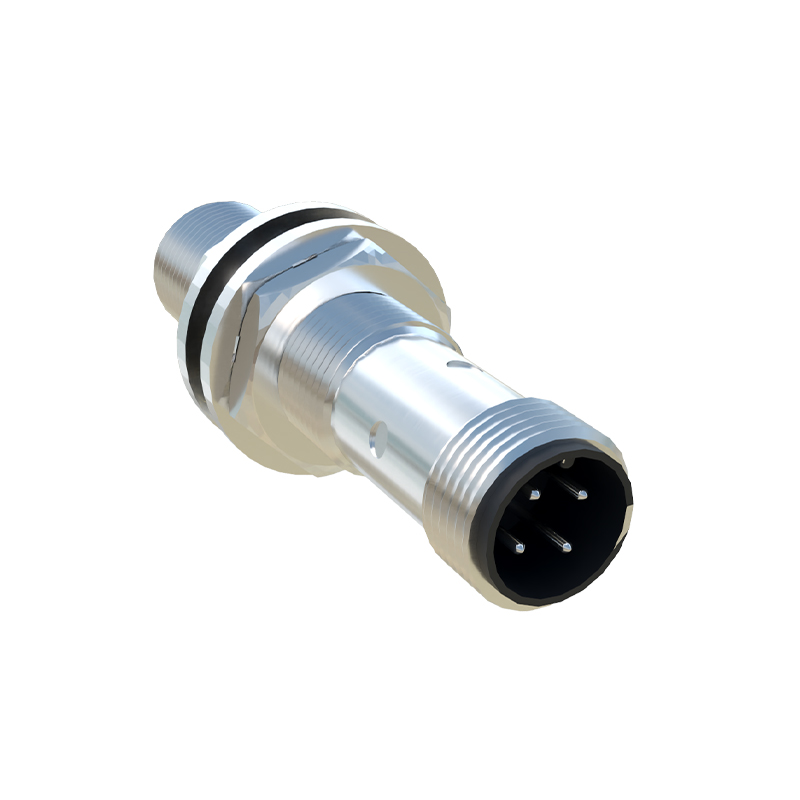
Electrical specifications are paramount. These sensors commonly operate on DC voltages (10-30V DC being standard) or sometimes AC. The output is typically a solid-state switch, either NPN (sinking) or PNP (sourcing) configuration, which is a crucial selection parameter based on the control system's input card requirements (e.g., PLC). The 3mm cable usually contains the standard three wires: brown for V+, blue for V- (0V), and black for the switched output signal. Some models may include a fourth wire for a diagnostic or complementary output. Key performance parameters include switching frequency (how many on/off cycles per second), hysteresis (the difference between the switch-on and switch-off points to prevent chatter), and environmental ratings such as IP67 or IP68, indicating high resistance to dust and temporary or prolonged immersion in water.
Application areas for the 8mm proximity sensor with a right-angle cable are extensive. They are ubiquitous in packaging machinery for detecting the presence of small metal parts, caps, or tools. In robotic assembly cells, they are used for end-of-arm tooling verification and precise position feedback for grippers. The automotive industry employs them in fixture and clamp detection, ensuring a part is correctly seated before a welding or machining operation proceeds. Semiconductor and electronics manufacturing lines utilize them for delicate positioning tasks where space is extremely limited and cable management is critical. The right-angle cable facilitates neat routing along machine frames, preventing snagging and improving the overall aesthetic and safety of the cable harness.
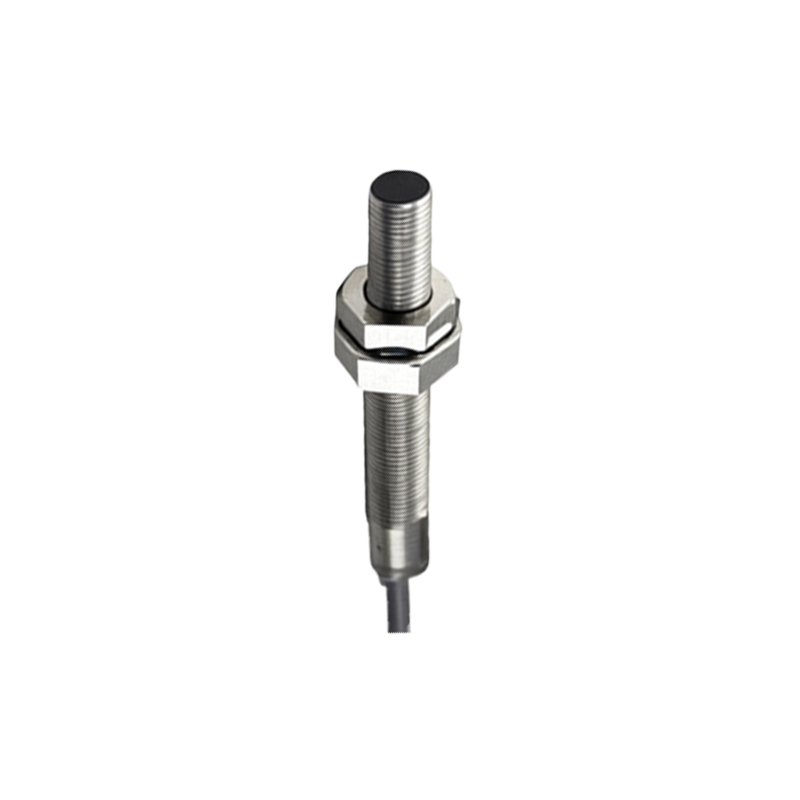
When selecting such a sensor, engineers must consider several factors beyond just size. The target material and required sensing distance must be confirmed. The electrical interface (NPN/PNM, voltage) must match the controller. The housing material, often nickel-plated brass or stainless steel, should be chosen based on the environmental conditions (e.g., washdown, chemicals). The cable length must be specified according to the installation layout. Finally, considering a sensor with an LED status indicator, while small, can be immensely helpful for quick diagnostics during commissioning and troubleshooting.
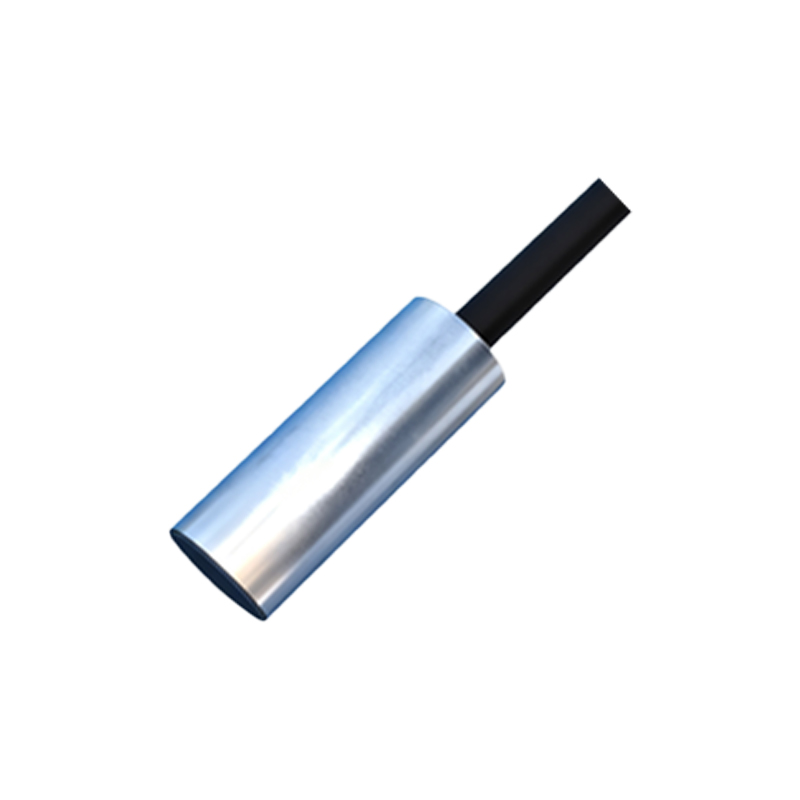
In conclusion, the 8mm proximity sensor with a 3mm right-angle cable is not merely a component but a strategic design element. Its compact sensing head and innovative cable exit geometry solve real-world spatial challenges in machine design. By understanding its capabilities, specifications, and ideal use cases, automation professionals can leverage this sensor to build more compact