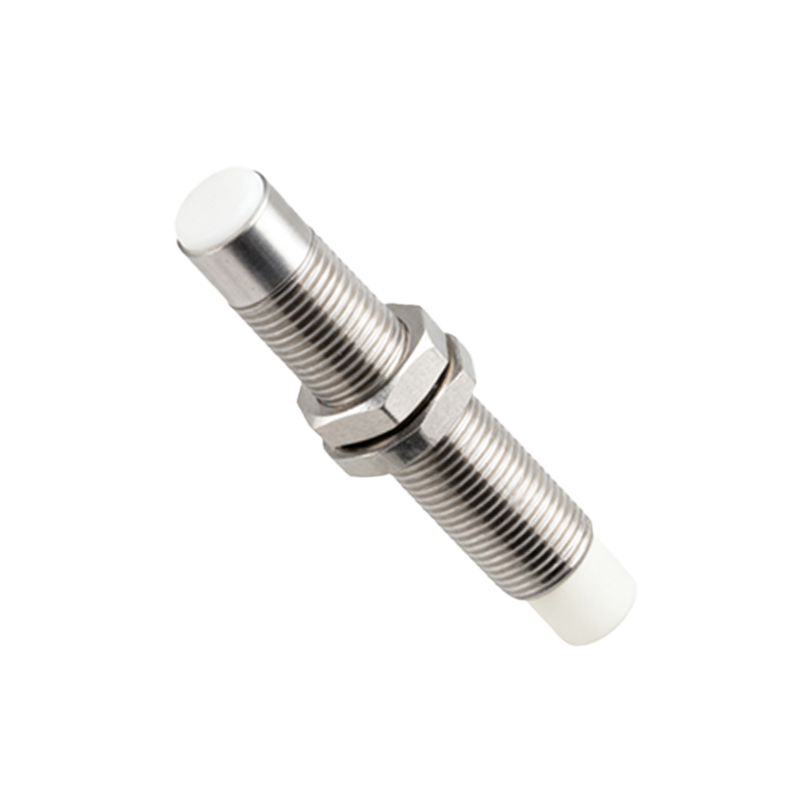
In the realm of industrial automation and electrical engineering, proximity light sensors have become indispensable components for enhancing operational efficiency and safety. Among these, the V20 series of proximity light sensors stands out as a robust and versatile solution tailored for demanding environments. This article delves into the fundamental principles, key features, and practical applications of V20 proximity light sensors, providing insights for professionals seeking reliable sensing technology.
A proximity light sensor, at its core, is an electronic device designed to detect the presence or absence of an object within a specified range without physical contact. The V20 model utilizes advanced optical technology, typically involving an infrared (IR) light emitter and a photodetector. When an object enters the sensor's detection zone, it reflects or interrupts the emitted light beam, triggering a signal output. This non-contact operation minimizes wear and tear, ensuring longevity and reducing maintenance needs in industrial settings.
The V20 series is engineered with precision and durability in mind. Key specifications often include a sensing range adjustable from a few millimeters to several meters, depending on the variant. These sensors boast high immunity to ambient light interference, thanks to modulated IR signals and sophisticated filtering algorithms. Additionally, they feature robust housings rated for IP67 or higher, making them resistant to dust, moisture, and mechanical shocks—a critical aspect for use in harsh conditions like manufacturing floors, outdoor installations, or chemical plants.
One of the standout attributes of V20 proximity light sensors is their versatility in output configurations. Common options include digital outputs (such as NPN or PNP transistors) and analog outputs (like 4-20 mA or 0-10 V), allowing seamless integration with programmable logic controllers (PLCs), microcontrollers, and other industrial control systems. This flexibility enables applications ranging from simple object detection to complex positioning and counting tasks. For instance, in conveyor belt systems, V20 sensors can monitor product flow, trigger automated sorting, or prevent jams by detecting overflows. In automated machinery, they ensure precise part alignment or verify component presence before initiating a process cycle.
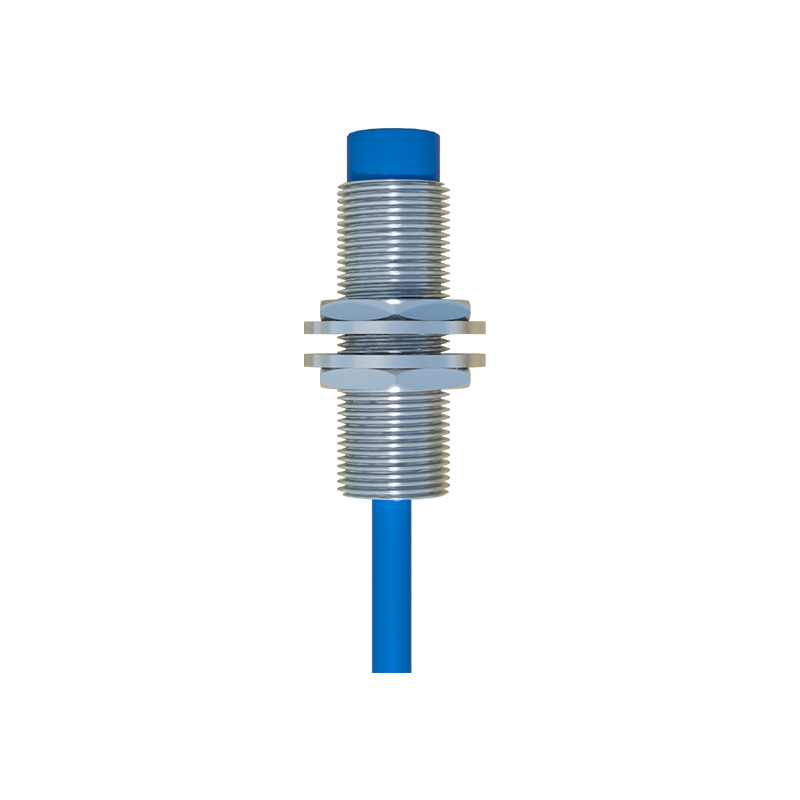
Installation and calibration of V20 sensors are straightforward, often featuring LED indicators for status monitoring and potentiometers for sensitivity adjustment. Engineers appreciate the ease of alignment, as many models incorporate visible red or laser beams for precise targeting. However, it is crucial to consider environmental factors during deployment. Reflective surfaces, transparent materials, or highly colored objects may affect performance, necessitating careful sensor selection and testing. Regular maintenance, though minimal, should include lens cleaning and periodic checks for alignment shifts due to vibration or thermal expansion.
In summary, the V20 proximity light sensor represents a blend of reliability, adaptability, and precision, making it a preferred choice in sectors such as automotive manufacturing, packaging, material handling, and robotics. By understanding its operational mechanics and application nuances, electrical professionals can leverage this technology to optimize processes, enhance safety protocols, and drive innovation in industrial automation. As industries evolve toward smarter, more connected systems, the role of sensors like the V20 will only grow, underscoring their importance in the electrical engineering landscape.