In the realm of electrical engineering and device repair, the 12pm proximity sensor is a critical component found in various consumer electronics, most notably in smartphones. This sensor is responsible for detecting the presence of nearby objects without physical contact, primarily used to disable the touchscreen during phone calls. While original equipment manufacturer (OEM) sensors are designed to work seamlessly with specific device firmware, the market is also populated with non-OEM, aftermarket, or "non-original code" variants. These alternatives present a complex landscape of technical considerations, cost-benefit analyses, and performance implications that every engineer and technician must navigate.
The term "non-original code" typically refers to proximity sensors that are functionally compatible with a device but do not carry the proprietary firmware or calibration data of the OEM part. In the context of a 12pm sensor, this means the sensor hardware may be physically identical or similar, but its communication protocol, calibration values, or identification code presented to the device's main processor differs from the factory-original specification. This discrepancy arises because manufacturers often lock their devices to authenticate components through digital handshakes or coded verification processes.
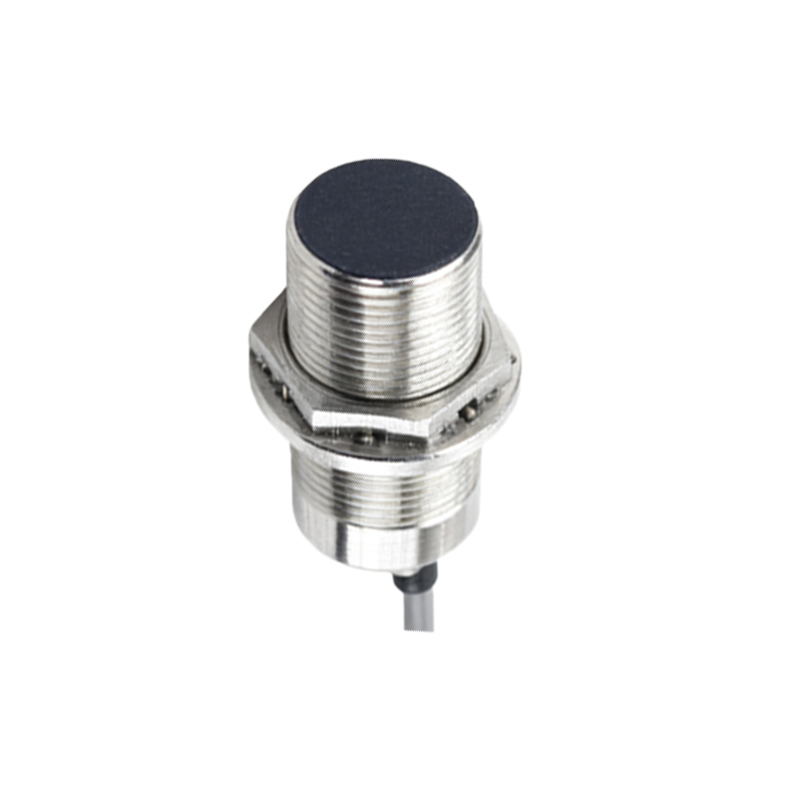
From an engineering perspective, the primary challenge with non-OEM 12pm sensors lies in integration. The host device's operating system and driver software are optimized for a specific sensor response curve, timing, and data format. A non-original sensor might use a different I2C or SPI slave address, return data in a slightly altered format, or have a varied sensitivity range. This can lead to a spectrum of issues: the sensor may not be recognized at all, it may provide inconsistent readings, or it might cause secondary system errors. For instance, a miscalibrated proximity sensor could fail to turn off the display during a call, leading to accidental touch inputs, or it could drain the battery faster due to improper power state management.

The motivation for using these components is predominantly economic. Non-OEM sensors are frequently significantly less expensive than genuine parts, making them attractive for repair shops and cost-sensitive projects. Furthermore, in regions where supply chains for OEM parts are constrained, non-original components provide a necessary alternative to keep devices operational. However, this cost advantage must be weighed against reliability. Empirical data and field reports often indicate a higher failure rate or shorter operational lifespan for lower-tier aftermarket sensors compared to their OEM counterparts. The variance in quality is substantial; some third-party manufacturers produce high-quality components that perform admirably, while others cut corners on materials and quality control.
For an engineer tasked with implementing or troubleshooting these sensors, a methodical approach is required. First, verifying the electrical compatibility is essential: checking the pinout, voltage requirements (typically 1.8V or 3.3V), and communication bus compatibility. Next, one must examine the software layer. This may involve analyzing the kernel driver logs to see if the sensor is detected and if its reported ID matches expected values. In some cases, particularly in open-source or modifiable environments, it is possible to adjust the driver code or device tree configuration to accommodate a non-original sensor. This might include modifying the slave address in the driver's header file or adding a new device ID to the kernel's compatible sensor list.
Another critical aspect is calibration. Proximity sensors often require factory calibration to account for minor variations in the infrared LED output and the phototransistor's sensitivity. OEM sensors come pre-calibrated. Non-OEM sensors might be uncalibrated or generically calibrated. Technicians sometimes have access to proprietary software tools or hidden service menus to initiate a calibration routine for the new sensor, though success is not guaranteed and depends heavily on the device's firmware allowances.
The long-term performance impact is a key consideration. A poorly functioning proximity sensor can degrade the user experience and, in some cases, affect other systems. For example, if the sensor falsely indicates an object is near, it might keep the display off unnecessarily. From a system design philosophy, using non-OEM parts introduces an element of uncertainty into the reliability model of the final product or repair. For mission-critical applications or devices where user experience is paramount, specifying OEM components is the standard practice.
In conclusion, non-OEM 12pm proximity sensors represent a pragmatic solution within specific constraints of cost and availability. Their successful deployment hinges on a thorough technical evaluation of hardware compatibility, potential software modifications, and post-installation calibration. Engineers and technicians must possess a clear understanding of the trade-offs involved, prioritizing between economic efficiency and guaranteed system performance. As device architectures become more integrated and secure, the window for successfully integrating such non-original components may narrow, underscoring the importance of rigorous testing and validation in any engineering workflow that considers their use.