In the realm of industrial automation and electrical control systems, proximity sensors are ubiquitous. A common question that arises among engineers, especially those new to system design or maintenance, is: "Are proximity sensors universal?" The short answer is no, but the complete picture is more nuanced and requires an understanding of sensor types, technologies, and application-specific parameters. This article delves into the factors that determine the interchangeability and "universality" of these critical components.
At its core, a proximity sensor is a non-contact device that detects the presence or absence of an object within its sensing range. Their popularity stems from eliminating mechanical wear, enabling high-speed operation, and functioning reliably in harsh environments. However, the term "proximity sensor" encompasses several distinct technologies, each with its own operating principles and ideal use cases. The primary types include Inductive, Capacitive, Ultrasonic, and Photoelectric sensors. This fundamental technological diversity is the first major barrier to universality. An inductive sensor, designed to detect metals, cannot simply replace a capacitive sensor meant for detecting liquids or non-metals.
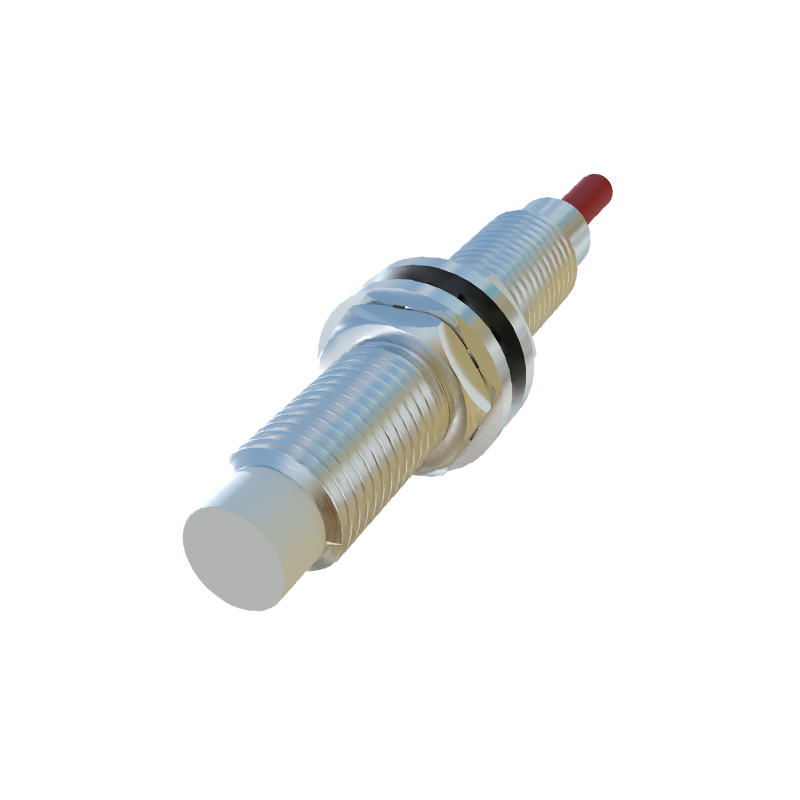
Even within a single technology category, such as inductive sensors, significant variations prevent universal application. Key electrical specifications must be meticulously matched:
Sensing Distance: This is a fixed characteristic (e.g., 5mm, 10mm). A sensor with a 5mm range cannot perform the same task as one with a 15mm range if the object is positioned accordingly.
Output Type: This is arguably the most critical compatibility factor. Sensors provide discrete outputs like NPN (sinking) or PNP (sourcing) transistors, or analog outputs (4-20mA, 0-10V). Connecting an NPN output sensor to a PLC input card configured for PNP signals will not work. Similarly, NO (Normally Open) and NC (Normally Closed) contact configurations must align with the control logic.
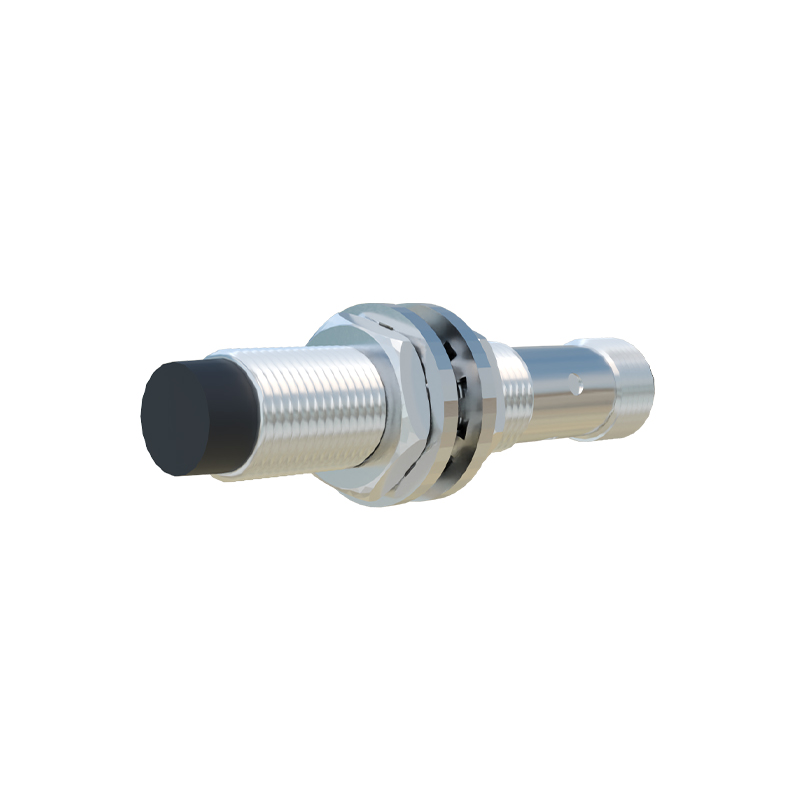
Supply Voltage: Proximity sensors operate on specific DC (e.g., 10-30V DC) or AC (e.g., 90-250V AC) voltage ranges. Applying 24V DC to a 120V AC sensor will damage it.
Connection Method: Sensors come with pre-wired cables, quick-disconnect (M8, M12) connectors, or terminal blocks. The physical interface must be compatible with the existing wiring harness or junction box.
Housing Material and Size: The mechanical form factor (cylindrical, rectangular, slot-style) and material (stainless steel, nickel-plated brass, PBT plastic) are dictated by the installation space and environmental conditions (e.g., washdown, chemical exposure).
Beyond electrical and mechanical specs, performance characteristics are application-specific. Factors like switching frequency (response speed), temperature rating, and degree of protection (IP or NEMA rating) must suit the operational environment. A sensor universal for a clean, room-temperature cabinet may fail immediately on a hot, oily machining center.
The concept of "universality" finds its closest real-world expression in standardized form factors and electrical interfaces. The widespread adoption of M8 and M12 3-pin or 4-pin connectors for DC sensors has created a degree of interchangeability if all other specifications (sensing type, range, output, voltage) are identical. Some manufacturers design sensor families with identical housing dimensions across different sensing ranges, facilitating mechanical replacement, though electrical re-configuration may still be needed.
For engineers and technicians, the path to correct selection and potential substitution involves a strict checklist:
1. Identify the required sensing technology (What is the target material?).
2. Verify the exact electrical specifications from the existing sensor's datasheet or nameplate: Voltage, Output (NPN/PNP, NO/NC), and Current rating.
3. Measure the required sensing distance and housing size/thread.
4. Confirm the environmental ratings (IP, temperature).
5. Cross-reference a potential replacement against all these criteria.
In conclusion, while proximity sensors are not universal components, they are built and categorized with standardized principles that allow for informed selection and substitution within well-defined boundaries. True universality is constrained by physics and application requirements. The engineer's task is not to find a mythical "one-size-fits-all" sensor, but to precisely define the application's parameters and select the optimal sensor from the vast, specialized portfolio available. Always consult manufacturer datasheets and, when in doubt, test the substitute sensor in a controlled setting before full system integration.