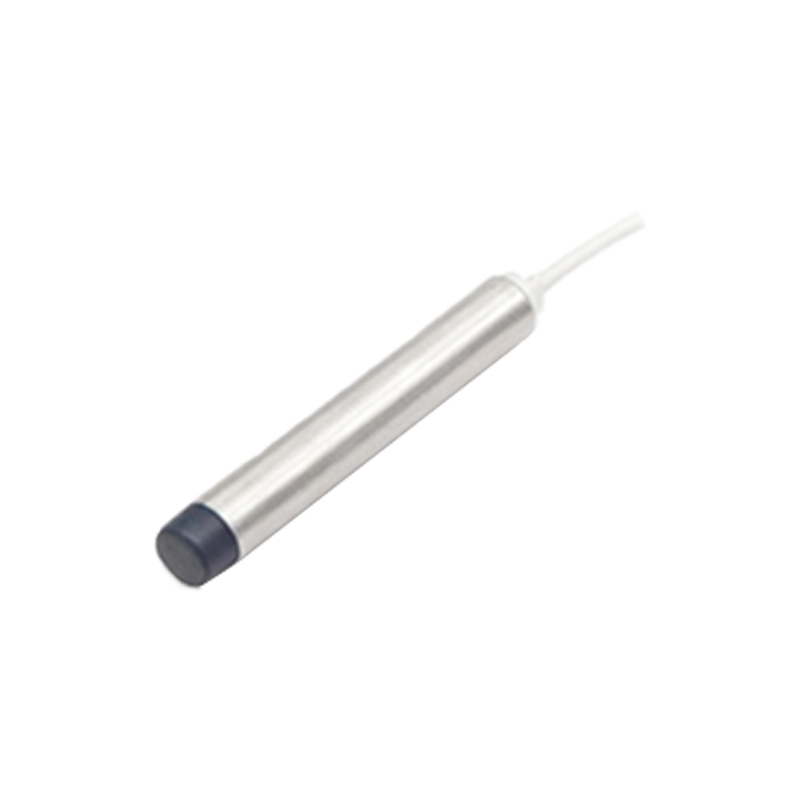
In the intricate world of industrial automation and machine safety, proximity sensors stand as silent sentinels. These non-contact devices detect the presence or absence of objects with remarkable precision, forming the backbone of countless applications from assembly lines to robotic guidance. For engineers and procurement specialists, the decision of where to source these critical components is paramount. While the market offers various channels, including distributors and third-party suppliers, sourcing proximity sensors directly from the Original Equipment Manufacturer (OEM) presents a compelling array of advantages that directly impact system reliability, performance, and total cost of ownership.
First and foremost, sourcing directly from the manufacturer guarantees authenticity and traceability. The industrial component market, unfortunately, is not immune to counterfeit products. These imitations often bear identical part numbers and similar packaging but are constructed with substandard materials and lack rigorous quality control. By procuring directly from the factory-authorized source, engineers can be absolutely confident they are receiving genuine sensors built to the exact specifications and tolerances published in the datasheet. Each unit can be traced back to its production batch, which is invaluable for quality audits, failure analysis, and maintaining compliance with industry standards such as ISO or specific automotive and food-grade certifications. This direct line eliminates the risk of introducing a weak link into a carefully engineered system.
Secondly, direct sourcing unlocks unparalleled access to technical expertise and application support. Manufacturer engineers possess deep, foundational knowledge of their product's design principles, operational limits, and ideal use cases. When facing a challenging application—be it involving extreme temperatures, aggressive washdowns, or detecting unusual materials—consulting directly with the OEM's application engineers is invaluable. They can provide nuanced guidance on sensor selection (inductive, capacitive, ultrasonic, or photoelectric), optimal mounting, wiring configurations, and parameter adjustments to ensure optimal performance. This level of support often surpasses what is available through intermediary channels, leading to faster problem resolution and a more robust system design from the outset.
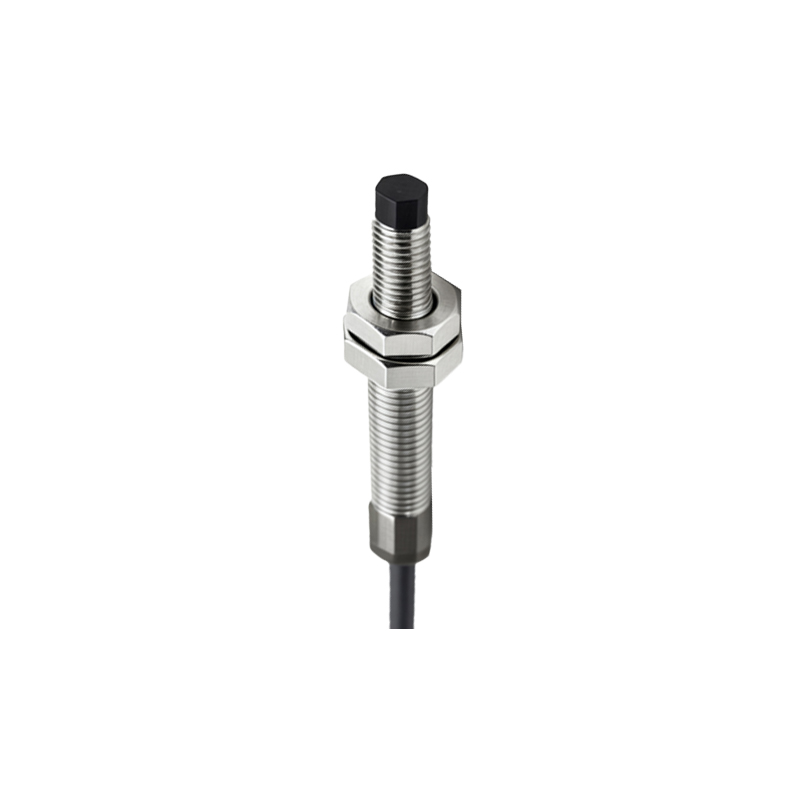
Furthermore, direct engagement with the manufacturer provides a clear path for custom solutions and future-proofing. Standard catalog items may not always fit unique application requirements. OEMs often have engineering teams capable of developing modified versions—whether it's a special sensing range, a unique housing material, or a customized connector. Establishing a direct relationship facilitates these discussions and collaborations. Additionally, manufacturers have the most accurate and forward-looking information regarding product lifecycles. They can provide advance notice of end-of-life (EOL) for certain models and recommend migration paths to newer, more advanced alternatives, ensuring long-term supply continuity and easier maintenance planning.
From a logistical and economic perspective, sourcing directly can offer significant benefits, though they require a holistic view. While per-unit pricing from distributors might sometimes appear lower for small quantities, OEMs can provide more favorable pricing for volume purchases and framework agreements. More importantly, they offer transparency in logistics and lead times. Dealing directly with the factory provides clearer visibility into production schedules, inventory levels, and potential bottlenecks. This allows for more accurate planning and can reduce the risk of project delays. Many manufacturers also maintain comprehensive stocks of spare parts and offer direct warranty support, simplifying the replacement process and minimizing machine downtime—a critical factor in calculating the true total cost of ownership.
In conclusion, while distributors play a vital role in the supply chain for convenience and local availability, the strategic sourcing of critical components like proximity sensors directly from the original manufacturer offers profound advantages. It ensures product authenticity, provides direct access to specialized engineering support, enables customization, and fosters a partnership for long-term supply chain stability. For engineers dedicated to building reliable, high-performance, and maintainable automated systems, establishing and nurturing a direct relationship with the sensor OEM is not merely a procurement choice; it is a sound engineering practice that safeguards quality, innovation, and operational excellence.