Proximity sensors are indispensable components in modern industrial automation, serving as the eyes of machinery by detecting the presence or absence of objects without physical contact. The effectiveness of these sensors, however, heavily relies on meticulous layout design. A well-planned sensor arrangement ensures reliable operation, minimizes false triggers, and extends equipment lifespan. This article delves into the core principles of proximity sensor layout design, offering practical insights for engineers and system integrators.
The first principle centers on understanding the sensor's sensing characteristics. Inductive, capacitive, ultrasonic, and photoelectric sensors each possess unique detection fields and environmental sensitivities. For instance, inductive sensors excel at detecting metals but may ignore non-metallic materials, while capacitive sensors respond to a broader range of substances, including liquids and plastics. The layout must account for the sensor's effective sensing distance, which is typically 70-80% of the nominal range listed in datasheets to accommodate environmental variables like temperature fluctuations and voltage tolerances. Positioning the sensor too close to the target can cause physical damage, whereas excessive distance may lead to unreliable detection.
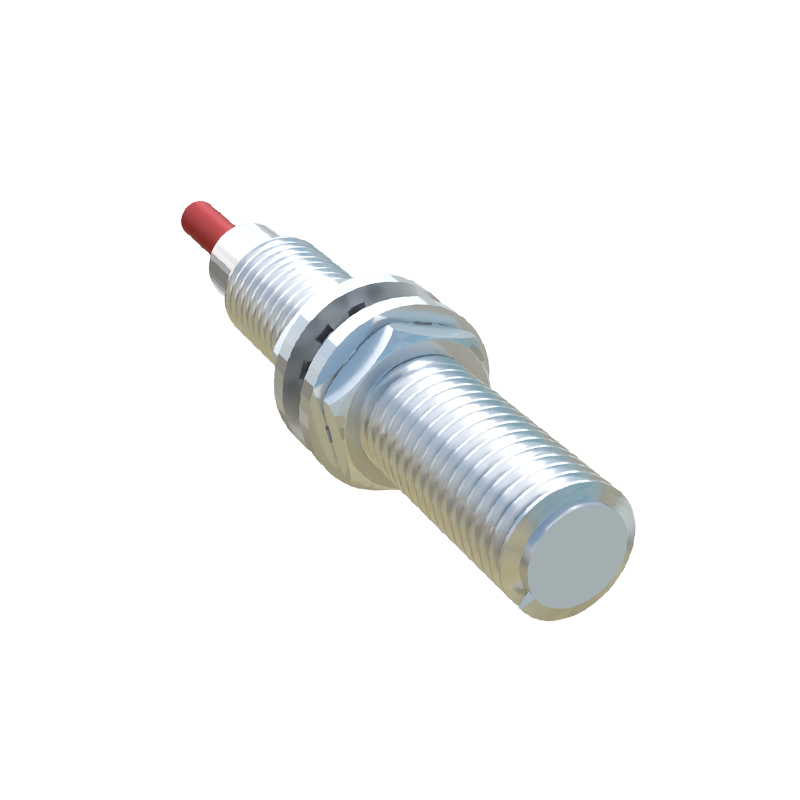
Environmental interference is a critical consideration in layout design. Electromagnetic noise from motors, variable frequency drives, or welding equipment can disrupt inductive and capacitive sensors. To mitigate this, maintain a minimum separation distance—often 50-100 mm—between sensors and high-noise sources. Shielding sensors with metal enclosures and using twisted-pair cables with proper grounding further enhances noise immunity. Additionally, avoid mounting sensors near vibrating components, as mechanical shocks can alter alignment and sensing consistency. For harsh environments with dust, moisture, or chemical exposure, select sensors with appropriate IP (Ingress Protection) ratings and position them to minimize direct exposure, such as mounting them at an angle to prevent liquid accumulation.
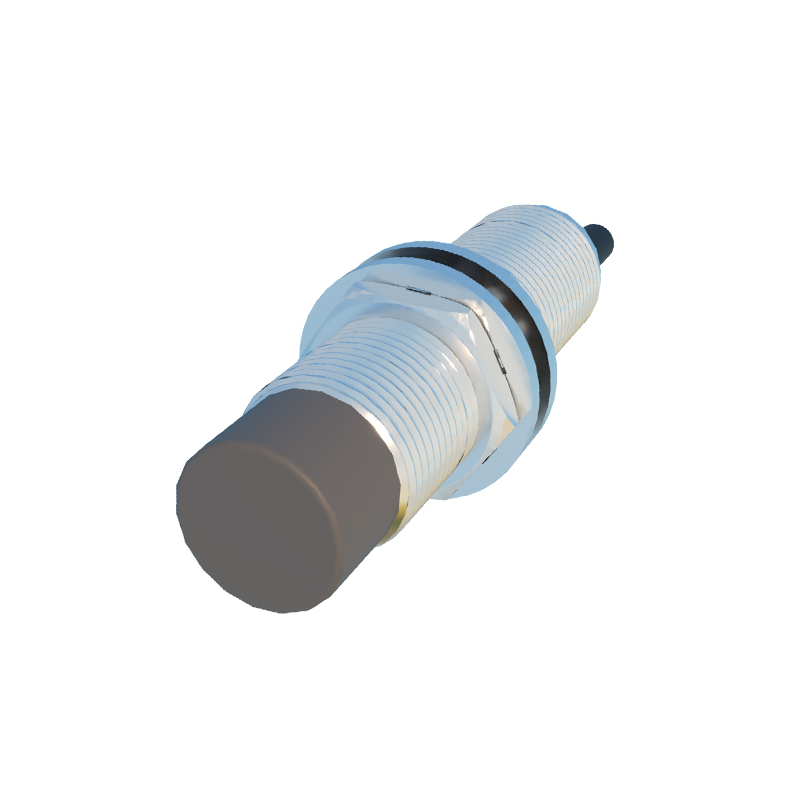
Target material and geometry profoundly influence sensor performance. For inductive sensors, the detection range varies with the target's metal type, thickness, and shape. A large, flat ferrous metal target provides optimal detection, while small or curved surfaces may require sensor repositioning or the use of multiple sensors. When detecting non-metallic objects, capacitive sensors demand careful calibration to avoid interference from background materials like conveyor belts or machine frames. In applications involving fast-moving targets, consider the sensor's response time and hysteresis. The layout should ensure the target remains within the sensing field long enough for a stable signal output, typically by aligning the sensor perpendicular to the target's path of motion.
Multi-sensor arrays introduce complexity, necessitating strategic spacing to prevent crosstalk. When multiple inductive or capacitive sensors operate in close proximity, their electromagnetic fields can interact, causing mutual interference. Manufacturers often specify minimum mounting distances—for example, two cylindrical inductive sensors might require a gap equal to their diameter. Alternating sensor types (e.g., inductive with photoelectric) or using models with anti-collision technology can alleviate this issue. In conveyor systems, stagger sensors along the production line to create overlapping detection zones, ensuring no object goes undetected during high-speed operations.
Accessibility and maintenance are often overlooked yet vital aspects. Position sensors where they can be easily inspected, calibrated, or replaced without dismantling entire machine sections. Use adjustable mounting brackets to fine-tune alignment during installation and upkeep. Label each sensor clearly in wiring diagrams and on-site, correlating with control system tags to streamline troubleshooting. Regularly scheduled cleaning of sensor faces prevents false readings caused by contaminant buildup, especially in dusty or oily settings.
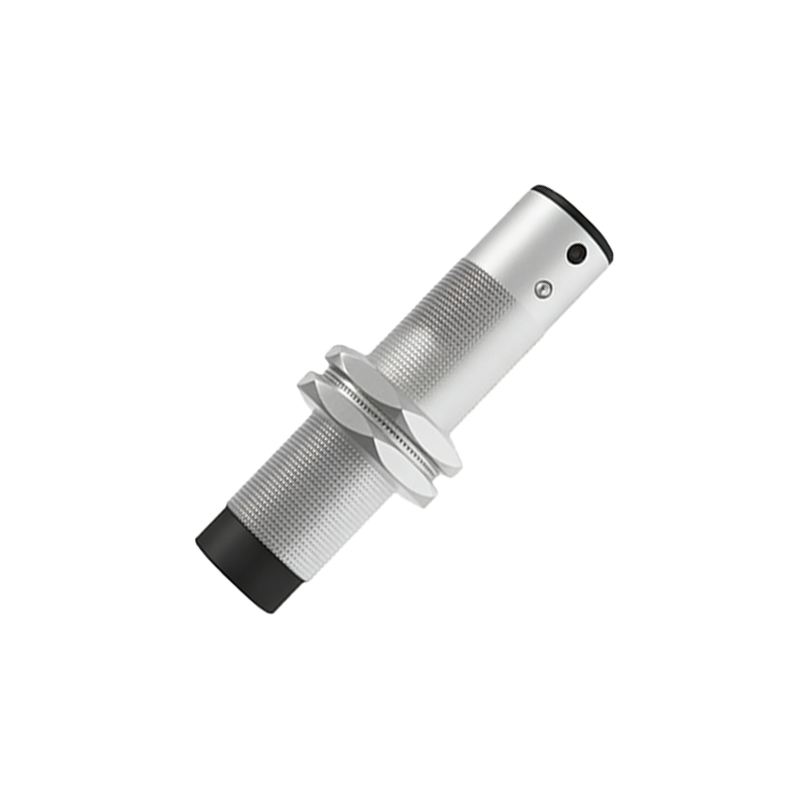
In summary, optimal proximity sensor layout hinges on a holistic approach that balances technical specifications with real-world operational demands. By adhering to principles of environmental resilience, target adaptability, interference management, and maintainability, engineers can design robust sensing systems that enhance automation reliability and productivity. Continuous testing under actual operating conditions remains the ultimate validation, allowing for iterative refinements that bridge the gap between theoretical design and practical performance.