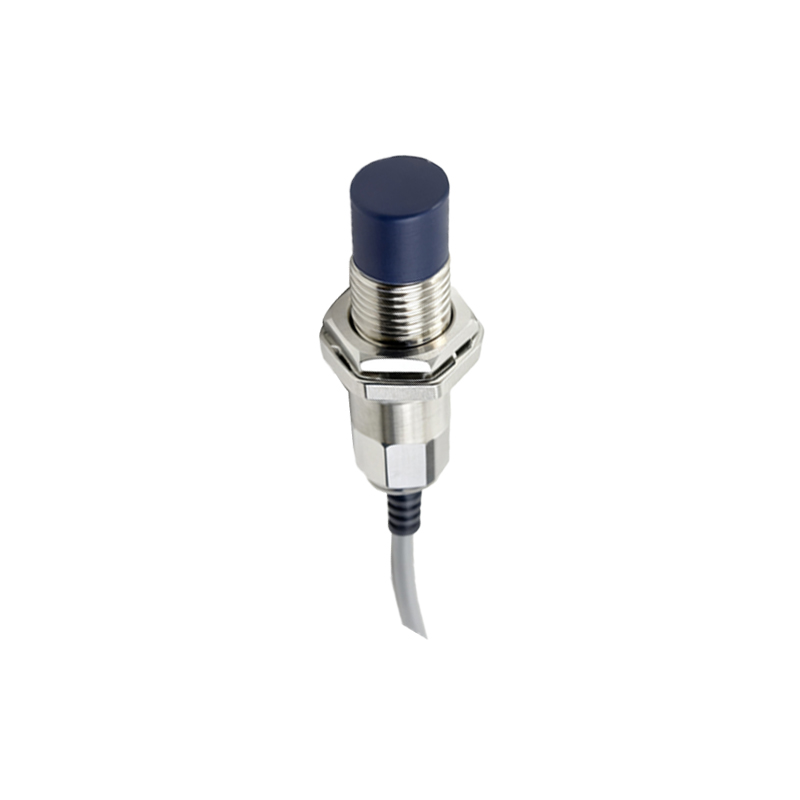
In the demanding environment of mining operations, safety and reliability are paramount. Among the critical components ensuring operational integrity are electromagnetic proximity sensors. These devices play a vital role in detecting the presence or absence of metallic objects without physical contact, thereby preventing collisions, monitoring equipment position, and enabling automated control systems in harsh underground conditions. Understanding their working principle is essential for proper selection, installation, and maintenance.
At its core, a mining electromagnetic proximity sensor operates based on the principles of electromagnetic induction and eddy current generation. The sensor typically consists of four main components: an oscillator circuit, a coil (which forms the sensing face or probe), a detection circuit, and an output switching element (such as a transistor or relay). The oscillator generates a high-frequency alternating electromagnetic field that radiates from the coil at the sensor's active face. When a conductive metallic target (like steel from mining machinery, rails, or buckets) enters this oscillating field, eddy currents are induced on the target's surface. These eddy currents, governed by Lenz's Law, create their own opposing magnetic field, which interacts with the sensor's original field.
This interaction results in a measurable change in the sensor's internal parameters. Specifically, the energy loss due to the eddy currents causes a damping or attenuation of the oscillator's amplitude. The detection circuit continuously monitors the oscillator's strength. Once the damping reaches a predetermined threshold—corresponding to the target being within the specified sensing range—the detection circuit triggers a change in the output state. For instance, a normally open (NO) solid-state output might switch to a conducting state, sending a signal to a programmable logic controller (PLC) or relay to indicate "target present."
The sensing range, or nominal sensing distance (Sn), is a key specification. It is defined for a standard target, usually a square of mild steel with a side length equal to the sensor's diameter or three times the nominal range. Importantly, the actual sensing distance can vary with different metals. Factors such as the target's material conductivity, permeability, size, shape, and orientation significantly influence performance. For example, ferromagnetic materials like iron and steel, with high permeability, are detected at the rated distance. Non-ferrous metals like aluminum or copper, which have high conductivity but low permeability, typically reduce the effective sensing range. This is because eddy currents are generated more easily, but the opposing magnetic field differs in character.
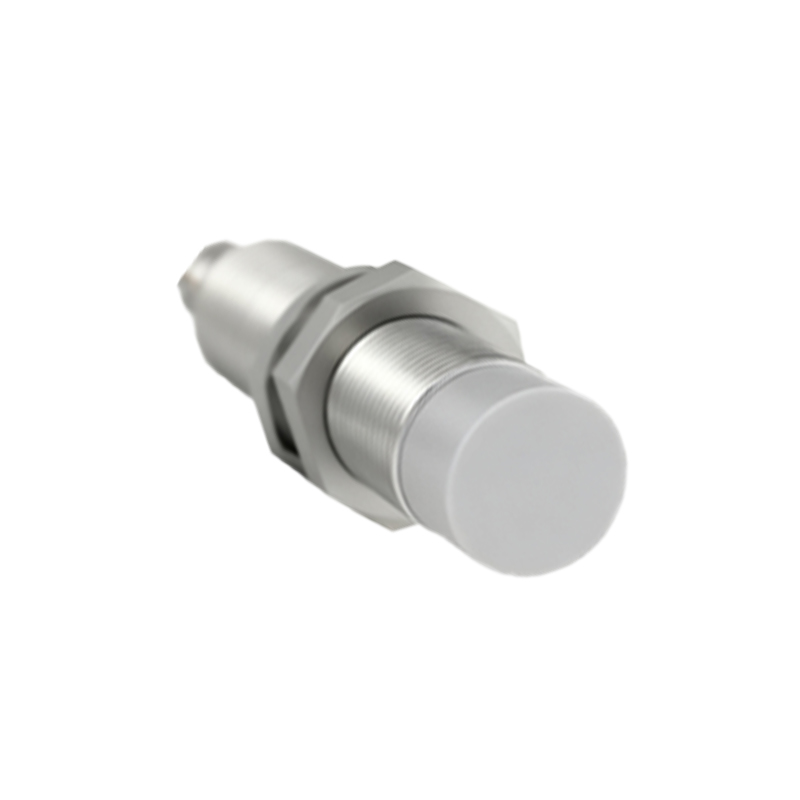
Mining-grade electromagnetic proximity sensors are engineered to withstand extreme environmental challenges. They are housed in robust, often stainless steel or nickel-plated brass casings with high ingress protection (IP) ratings, such as IP67 or IP69K, to resist dust, moisture, and high-pressure washdowns. They are designed to operate reliably despite constant vibration, mechanical shock, and wide temperature fluctuations common in mines. Furthermore, they are inherently resistant to many environmental interferences. Since they rely on an electromagnetic field, they are generally unaffected by ambient light, dirt, oil films (unless metallic), or non-conductive materials that might accumulate on the sensing face. However, caution is needed with conductive slurries or build-up, which could cause false triggering.
Two primary output types are prevalent: DC 3-wire and AC/DC 2-wire. DC sensors (e.g., 10-30V DC) are common for connection to modern electronic controls, offering fast switching frequencies and precise detection. They come in NPN (sinking) or PNP (sourcing) configurations. AC sensors (e.g., 90-250V AC) are often used for direct line voltage control. The output can be a simple binary switch, an analog current (4-20 mA) proportional to distance, or a specialized IO-Link digital signal for advanced diagnostics and parameterization.
In application, these sensors are ubiquitous in mining. They are used for limit switching on conveyor belt drives, position verification of hydraulic cylinders on continuous miners and longwall shearers, rotary speed monitoring on crushers and fans, and end-of-travel detection on shuttle cars and hoists. Their non-contact nature eliminates mechanical wear, ensuring long service life and reducing maintenance downtime—a critical advantage in remote or hazardous locations.
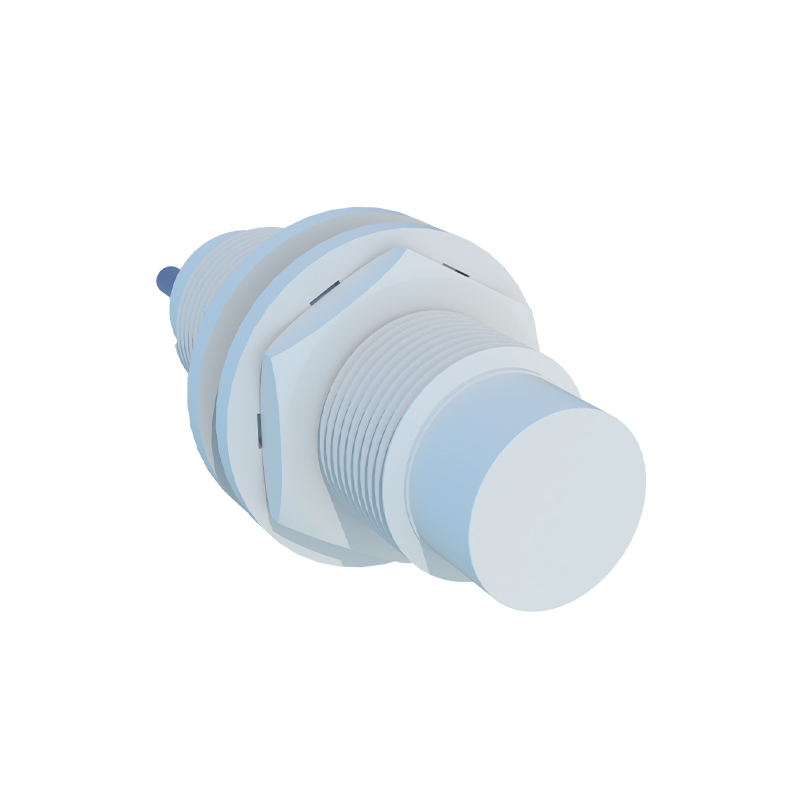
In conclusion, the mining electromagnetic proximity sensor is a sophisticated yet robust device whose operation hinges on electromagnetic damping. By converting the physical presence of a metal target into a reliable electrical signal, it forms an indispensable link in the automation and safety chains of modern mining. Proper understanding of its inductive principle, along with considerations for target material, environmental protection, and electrical characteristics, is crucial for maximizing system uptime and safety in one of the world's most challenging industrial sectors.