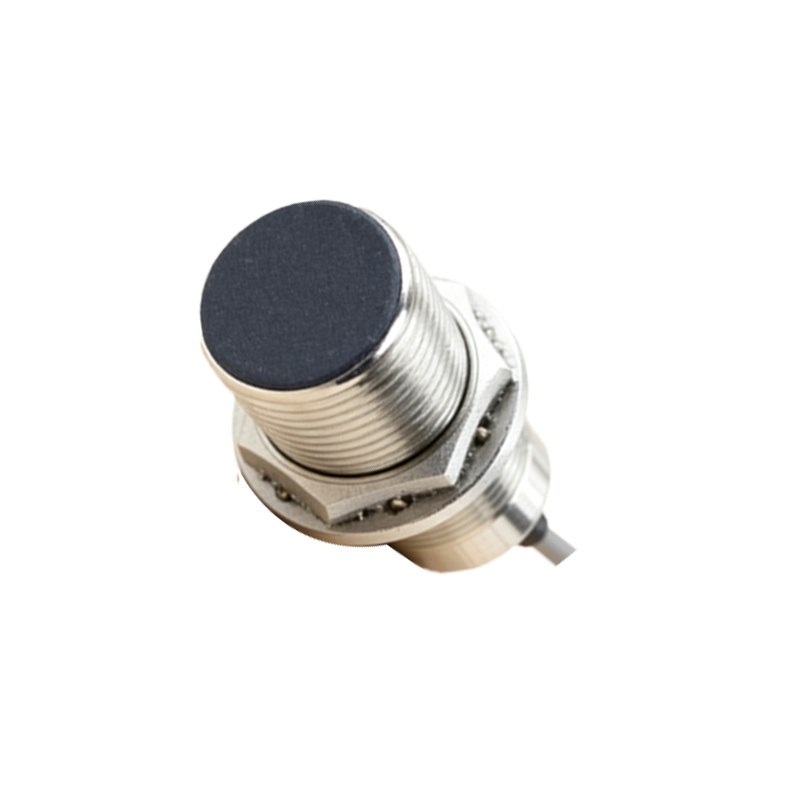
In industrial automation and machinery design, magnetic proximity sensors play a critical role in non-contact detection, position sensing, and safety interlocking. Procuring the right magnetic proximity sensor requires a thorough understanding of technical specifications, environmental factors, and application-specific demands. Unlike photoelectric or inductive sensors, magnetic sensors detect the presence of a magnetic field, typically from a permanent magnet, making them ideal for harsh environments where dirt, dust, moisture, or vibration might interfere with other sensing technologies.
The first step in procurement is defining the operational parameters. Key specifications include sensing distance, which varies based on magnet strength and sensor sensitivity. Standard sensing ranges can be from a few millimeters up to 120 mm for specialized models. The type of output—digital (PNP/NPN) or analog—must match the control system's input requirements. Voltage ratings, typically ranging from 10-30 V DC, should align with the plant's power supply. Additionally, consider the switching frequency if high-speed detection is necessary for rapid production lines.
Environmental resilience is a decisive factor. Many industrial settings expose sensors to extreme temperatures, corrosive chemicals, or heavy mechanical shocks. Look for ingress protection ratings such as IP67 or IP69K for dust and water resistance. Housing material is equally important; stainless steel or ruggedized plastic housings offer durability in aggressive conditions. For food processing or pharmaceutical applications, sensors with FDA-compliant materials and easy-clean designs are mandatory to meet hygiene standards.
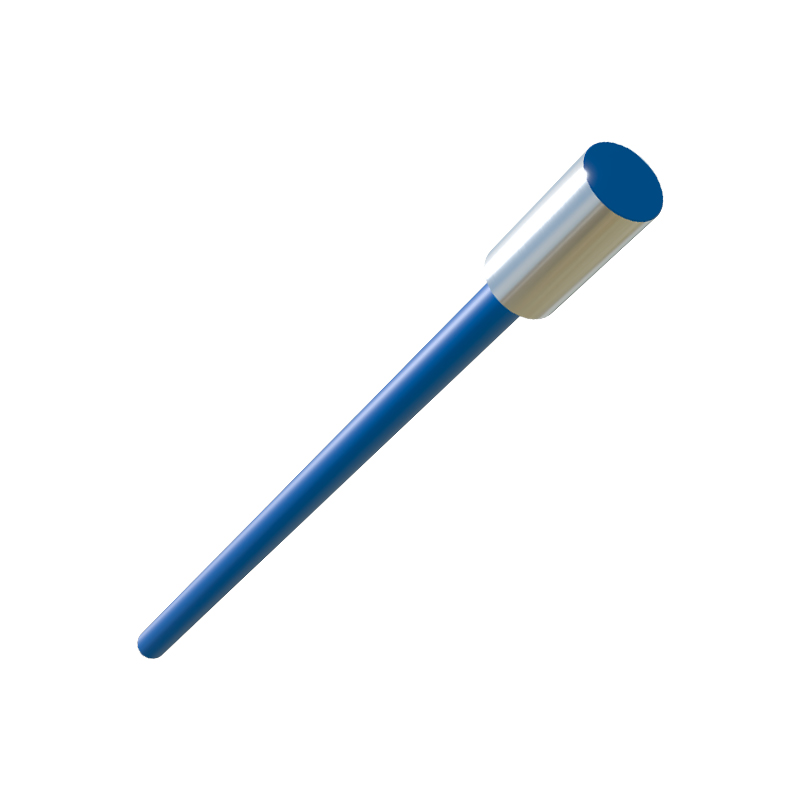
Electrical connection and mounting styles significantly impact installation time and long-term reliability. Common options include cable exits (axial or radial), M8/M12 quick-disconnect connectors, or terminal blocks. The sensor's form factor—tubular, rectangular, or ring-shaped—should fit the available space and mounting configuration. Some applications may require adjustable sensing ranges or programmable outputs for flexibility.
Another crucial consideration is the magnet (actuator) selection. The sensor's performance depends on the magnet's size, material (e.g., neodymium or ferrite), and polarization. Ensure the magnet is rated for the operating temperature and environmental conditions. In linear or rotary motion applications, multiple magnets may be needed for precise positioning.
Cost-effectiveness goes beyond the initial purchase price. Evaluate the total cost of ownership, including installation, maintenance, and potential downtime. Reputable suppliers often provide detailed datasheets, technical support, and warranty terms. Sourcing from manufacturers with global certifications (e.g., UL, CE, ATEX for hazardous areas) ensures compliance and reliability.
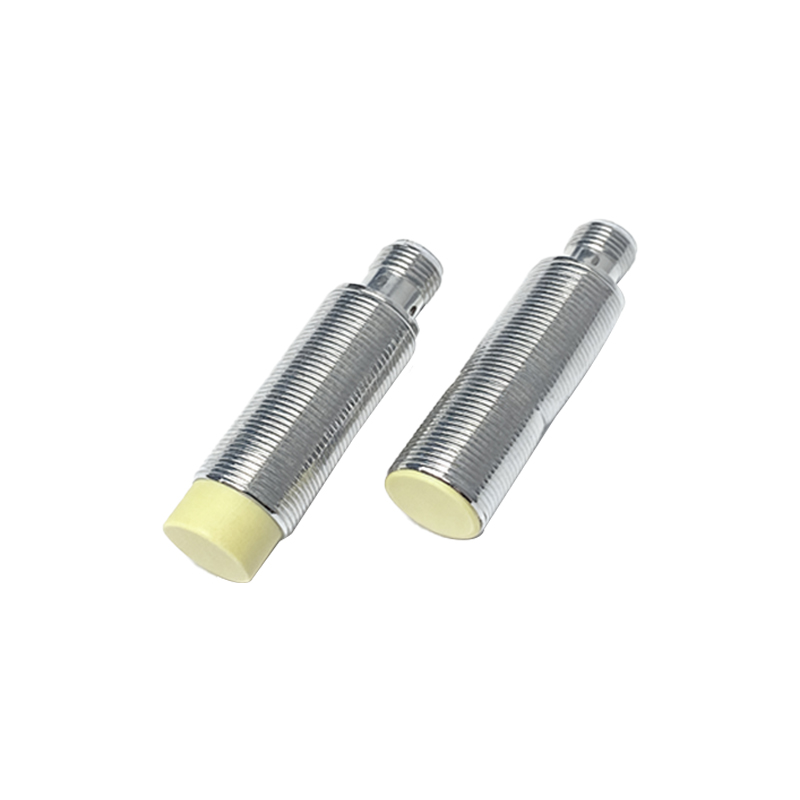
Finally, testing samples in the actual application before bulk ordering is highly recommended. This verifies real-world performance and prevents costly mismatches. Partnering with suppliers who offer customization or application engineering support can optimize the procurement outcome.
In summary, successful magnetic proximity sensor procurement hinges on a balanced analysis of technical specs, environmental adaptability, compatibility with existing systems, and long-term operational value. By methodically addressing these aspects, engineers and procurement specialists can secure sensors that enhance automation efficiency, reduce maintenance, and withstand industrial challenges.